White House Announces Strategic Dialogue With Autocrat: A New Era of Diplomatic Theater
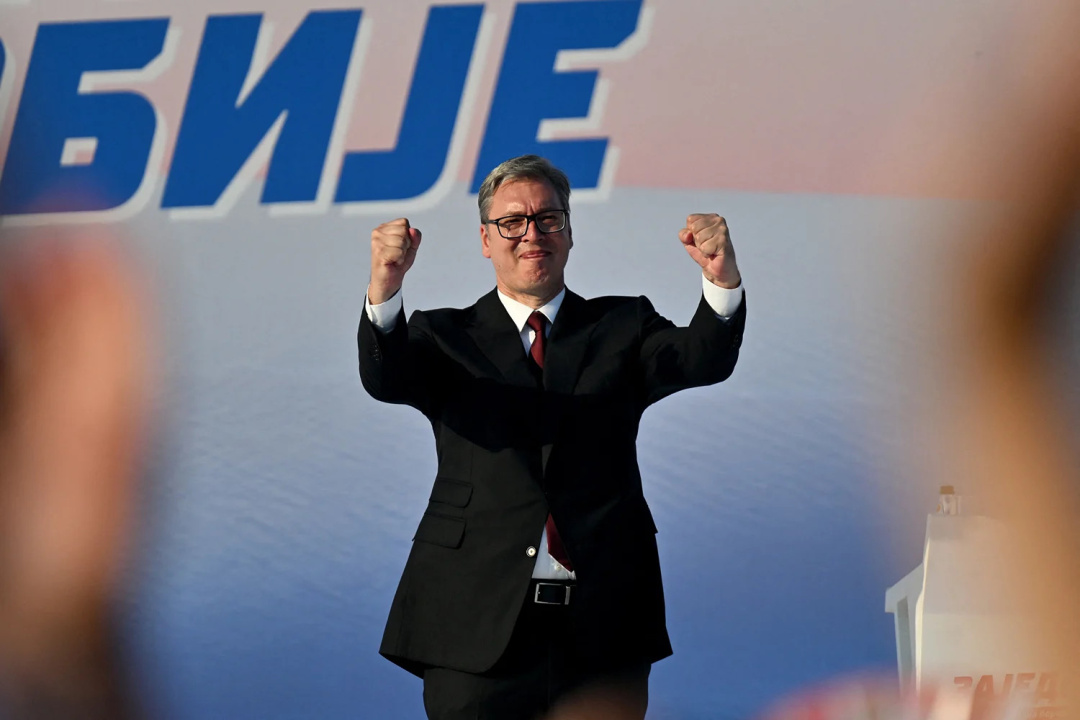
In a bold move that has sent shockwaves through the diplomatic community, the White House has announced a strategic dialogue with Serbia, an aspiring autocracy led by President Aleksandar Vučić. This new diplomatic initiative, which has officially been dubbed "Operation Democracy Lite," is being hailed by some as a leap forward in international relations. Others, however, are scratching their heads, wondering if this is merely another episode of the ongoing reality show known as U.S. foreign policy.
White House insiders have reassured us that this partnership aims to promote democracy, human rights, and all those other buzzwords that sound great on paper but often dissolve like sugar in water when actual politics come into play. After all, what better way to champion freedom than by cozying up to a leader who has been accused of undermining democratic institutions? It’s a classic case of "Do as I say, not as I do," and who doesn’t love a little cognitive dissonance with their morning coffee?
Still Beats Watergate:
Sponsor success. Continue reading:
Sources close to the administration have confirmed that this strategic dialogue includes a wide-ranging agenda, from joint military exercises to synchronized social media campaigns touting the virtues of authoritarianism. The administration has even promised to share best practices in political messaging, ensuring that both leaders can expertly spin any potential backlash into a narrative of mutual cooperation and shared goals.
In a press briefing that felt more like a circus than an official communication, White House Press Secretary Kayleigh McEnany took to the podium, armed with a smile and a stack of talking points. When pressed about the partnership's implications for democratic governance, she confidently stated that the administration believes in a "flexible interpretation of democracy" that adapts to local conditions. This may just be the most diplomatic way to say, "We’ll support any leader as long as they play ball with us."
Critics have been quick to point out the absurdity of this partnership, with many suggesting it’s a bit like endorsing a wolf to guard the sheep. But the White House remains unfazed, sticking to their script that this is a calculated move to promote stability in the Balkans. After all, who needs a consistent moral compass when you have the allure of strategic interests?
As the White House prepares for this new era of diplomatic engagement, one can only wonder what the next chapter of this drama will entail. Will we see more autocrats joining the U.S. diplomatic dance card? Only time will tell, but if this strategic dialogue is any indication, one thing is certain: the stage is set for a performance that will leave audiences both amused and bewildered. And isn’t that what politics is all about?