Senate Confirms Spy Chief Amid Workforce Exodus and Partisan Drama
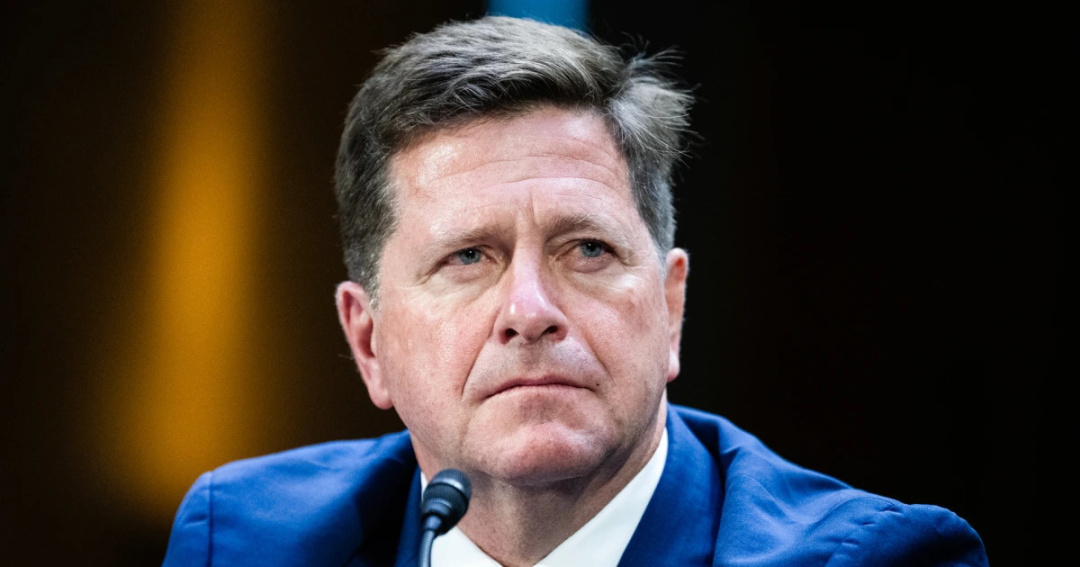
In a gripping episode of political theater that could only be scripted in the halls of Washington, the Senate has confirmed Jay Clayton as the new director of national intelligence. This comes at a time when the agency is experiencing an unprecedented thinning of its ranks, courtesy of recent firings that have left the office looking more like a ghost town than a hub of national security. The Republican majority, in a show of solidarity, voted him in with a razor-thin margin of 51-47, proving once again that party loyalty trumps all, including national interests.
Clayton, a top Manhattan federal prosecutor with a career more notable for locking up criminals than for protecting the nation’s secrets, will now oversee a workforce that has been slashed by 30 percent. The acting intelligence chief, Bill Pulte, took to social media to announce these drastic cuts, clearly indicating that the office, once boasting around 2,000 employees, is now more of a lean machine than a formidable intelligence agency. Perhaps the only thing more alarming than the job cuts is the lack of transparency surrounding them, with the agency providing about as much information as a magician at a card trick convention.
Still Beats Watergate:
Sponsor success. Continue reading:
Democrats, led by Sen. Mark Warner, expressed grave concerns over Clayton’s ability to withstand political pressure from the White House, suggesting that the new director might prioritize political loyalty over factual reporting. After all, why bother with inconvenient truths when you can simply alter the narrative to fit the needs of the Oval Office? Warner’s reservations echo a broader fear that intelligence agencies are morphing into tools for political warfare rather than unbiased defenders of national security.
As Clayton sidestepped questions about the legitimacy of the 2020 election during his confirmation hearings, one can’t help but wonder if his future briefings will involve more spin than substance. After all, in the world of political intelligence, the truth is often a casualty of party loyalty. The new director’s ability to deliver accurate assessments to the president, especially if they contradict his opinions, is now under intense scrutiny. The inference is clear: aligning with the narrative of the day might be more critical than delivering the facts.
Clayton’s confirmation follows a trend of cronyism that has characterized this administration, with Trump seemingly prioritizing loyalty over expertise. The Office of the Director of National Intelligence was established to prevent intelligence failures that could threaten national security, but if recent trends are any indication, it appears to be on a fast track to becoming a bloated bureaucracy intent on cutting corners and cutting staff. The irony is rich: an office created in the wake of monumental failures is now teetering on the brink of its own.
With Clayton at the helm, we can expect a new era of intelligence that may prioritize political expediency over factual integrity. As the agency grapples with its reduced workforce and the looming threat of external pressures, one thing is certain: the only thing getting larger is the irony of it all. As we move forward, let’s hope that the new director remembers that the truth, no matter how inconvenient, is still a vital part of national security, even if it doesn’t fit neatly into a press release.