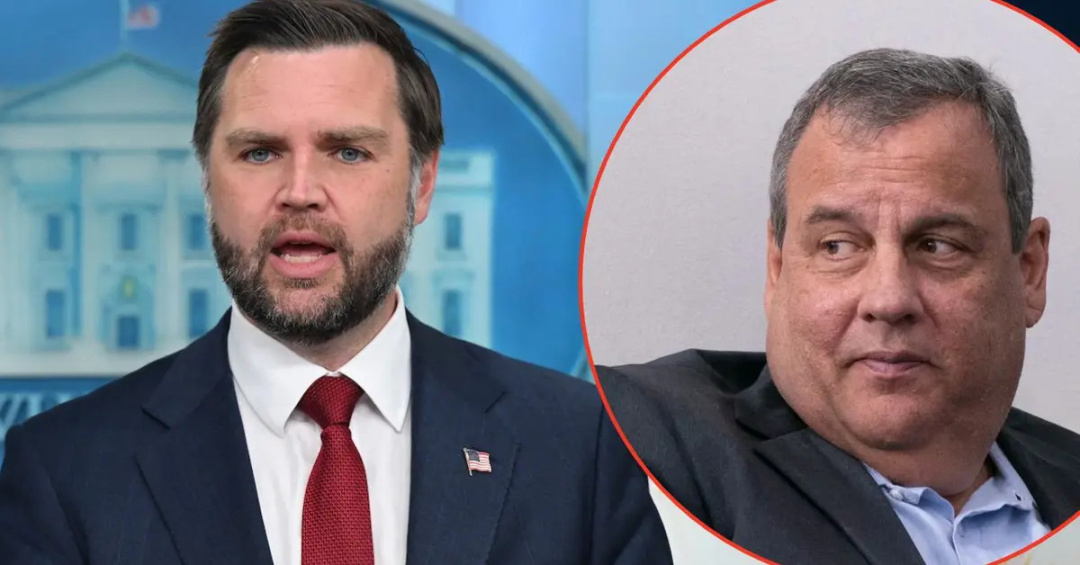
White House Body Language Team Declares Tension a New Policy Initiative
In a momentous shift in diplomatic strategy, the White House has unveiled its innovative 'Body Language Initiative,' which boldly asserts that visible tension will now be an official policy metric in all international relations. Speaking from the Rose Garden, Press Secretary Jen Psaki declared that the administration is committed to a new era of engagement where discomfort and strained smiles reign supreme.
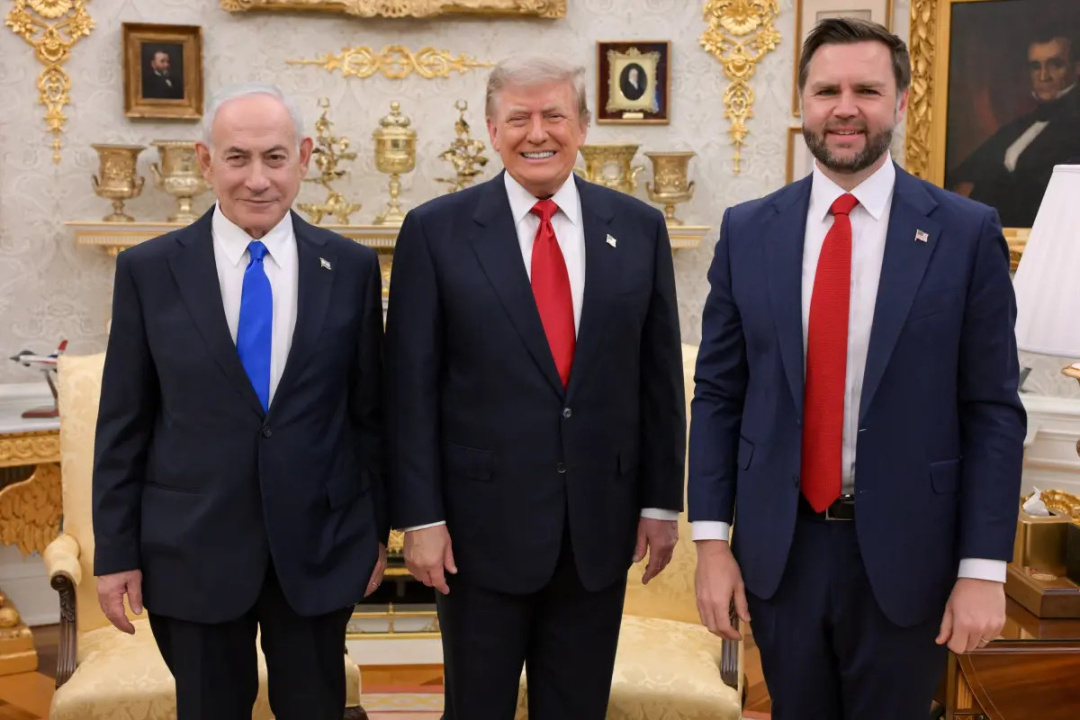
This initiative comes on the heels of Vice President JD Vance’s noticeably tense posture during a recent photo op with Israeli Prime Minister Benjamin Netanyahu and former President Trump. Analysts noted that Vance's clenched fists and rigid stance spoke volumes, prompting the administration to recognize that tension could be harnessed as a diplomatic tool. The White House plans to leverage this newfound understanding to foster better relationships with world leaders who also appreciate the art of awkwardness.
Still Beats Watergate:
Sponsor success. Continue reading:
"Why rely on boring handshakes and warm smiles when you can have a full-blown stand-off?" Psaki quipped, clearly excited about the potential of this strategy. "We’re paving the way for a new form of diplomacy—one that prioritizes visceral reactions over actual conversations. Imagine the possibilities!"
Under this initiative, future summits will include mandatory tension assessments, where diplomats will be scored on their ability to maintain an uncomfortable atmosphere while discussing critical issues. The administration is even exploring the introduction of a new award: the Golden Grit, to be presented to the leader who can best embody the spirit of unease and discomfort in negotiations.
In a related move, the White House has also launched a series of seminars for government officials on how to perfect the art of the tense face, with expert trainers flown in from various countries known for their diplomatic prowess—like the United Kingdom and, ironically, North Korea.
The media has already begun to speculate about the long-term impacts of this policy shift. Political analysts believe that if successful, the Body Language Initiative could redefine global diplomacy, transforming tense photo opportunities into high-stakes negotiations that prioritize the unspoken over the articulated.
Critics, however, have raised eyebrows at the administration’s bold new direction. Some have suggested that focusing on body language might divert attention from pressing issues like healthcare and climate change. In response, Psaki reassured the public, stating, "Sure, those things are important, but have you seen Vance’s face in that photo? It’s a masterpiece of tension!"
As the White House prepares to officially roll out its Body Language Initiative, one thing is clear: the next time world leaders gather, expect more than just handshakes—expect a masterclass in discomfort, delivered with a side of grimacing smiles and awkward gazes. Who knew that the key to international diplomacy was so close to home, hiding behind a furrowed brow?