White House Announces New Protocols for Missile Interceptions
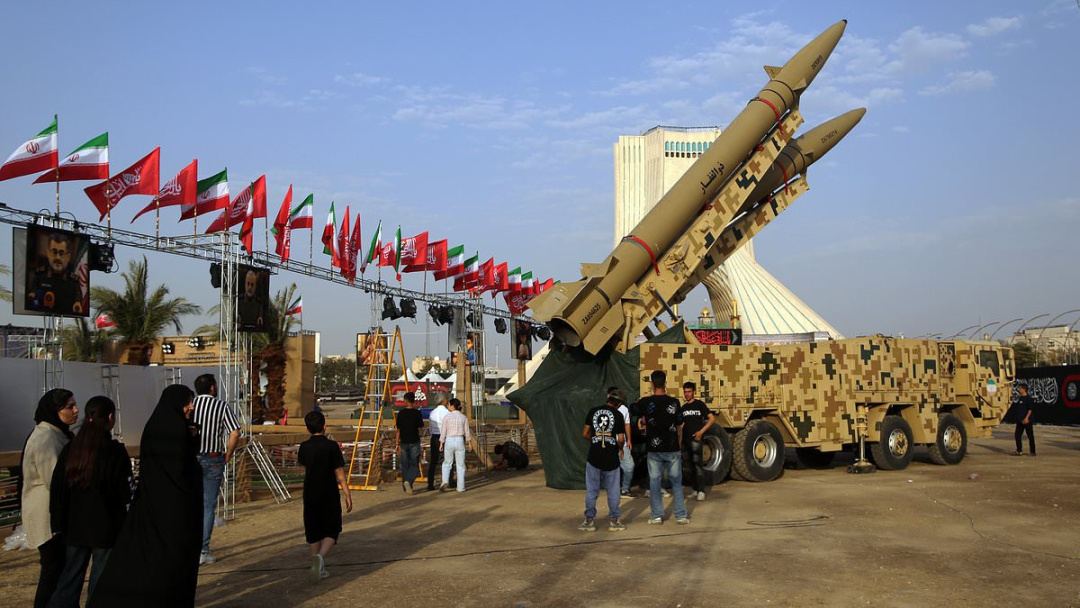
In an unexpected move that could only be described as predictably confusing, the White House has released an official protocol for intercepting missiles, a task which they assure us will now be conducted with an enhanced level of bureaucratic flair. According to sources, the new guidelines, dubbed "Missile Management: A Comprehensive Approach to Chaos Control," are set to revolutionize how the U.S. military responds to missile threats, particularly in light of recent tensions with Iran.
The memo outlines a dizzying array of steps that officers must take before launching an interception. First, personnel are instructed to engage in a roundtable discussion about the potential implications of interception, which, as one official noted, could take anywhere from two to three hours, assuming everyone shows up on time. Following that, an internal review will be conducted, with a mandatory PowerPoint presentation. Because nothing says "urgent threat" like a slide deck.
Still Beats Watergate:
Sponsor success. Continue reading:
To further complicate matters, the White House has decided that all missile interceptions must now be approved by at least three different agencies, ensuring that the process can be slowed down to a crawl. This includes a thumbs-up from the Department of Transportation, because, you know, missiles are just another form of traffic. A spokesperson for the Pentagon confirmed that they would be forming a new committee to oversee these approvals, which will add a delightful layer of inefficiency to the already robust military complex.
In a statement from the Oval Office, officials emphasized that these new protocols were necessary to avoid the chaos of a rapid response, which they described as "so last season." The administration insists that the key to successful missile interception lies in delay, distraction, and a healthy dose of indecision. "Why rush when you can dawdle?" one official quipped, clearly embodying the spirit of the new guidelines.
Additionally, the White House has introduced a new training module for intercepting missiles, which will include a three-day seminar on "How to Politely Ignore Incoming Threats While You Figure Out What to Do." The training will focus on mindfulness techniques, allowing military personnel to meditate on the potential consequences of a missile strike while sipping herbal tea.
Critics have already expressed concerns that these new protocols could hinder effective military responses, but officials have assured the public that the new system is designed to prioritize safety and caution—at least until they can figure out how to respond without actually doing anything. The irony of needing to implement more red tape in the face of an imminent threat has not gone unnoticed, with some commentators dubbing the new policies "The Art of War: Bureaucratic Edition."
As tensions with Iran continue to escalate, it remains to be seen whether these new protocols will provide any real security or merely serve as another example of the government’s ability to turn a crisis into a labyrinthine conundrum. Only time will tell if the missiles will be intercepted—or if they will just become part of the ongoing office drama in D.C. that always seems to overshadow real action.