Generals in Charge: Why the Military Model is a Recipe for Disaster
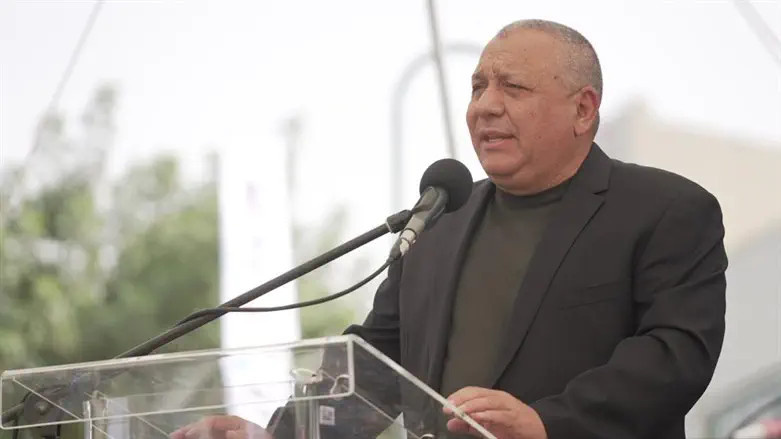
In a strikingly familiar twist of fate, Gadi Eisenkot, the latest military figure to don the mantle of political leadership, is making headlines as he prepares to take center stage in Israel's political arena. The former IDF chief of staff, now a candidate for prime minister, raises the question: does military experience translate into political success, or is it simply a recipe for disaster? History suggests the latter has been the case more often than not, particularly for nations enamored with the general-turned-politician model.
It seems that every few years, the public gets swept up in a collective amnesia, forgetting the sordid history of generals who thought they could lead nations like they commanded troops. The recent saga of Eisenkot, a man whose tenure as Chief of Staff was largely remembered for advocating a “small and smart IDF,” could be just another chapter in the ongoing saga of military misadventures in governance. As political campaigns morph into a production of “who can look the toughest,” we must ponder whether this trend might lead us into yet another quagmire.
Still Beats Watergate:
Sponsor success. Continue reading:
The allure of a tough-looking general at the helm of government has proven irresistible, particularly to those who believe that a soldier’s instinct for war equates to a politician’s instinct for peace. But history is littered with the broken dreams of nations led by generals who mistook tanks for tact. From Yitzhak Rabin’s Oslo Accords that invited chaos into Israel, to Ehud Barak’s midnight retreat from Lebanon that left a power vacuum filled by Hezbollah, the track record reads like a cautionary tale.
Eisenkot may wish to distance himself from these predecessors, but his track record is already raising eyebrows. His previous calls for a Palestinian state and his proposal to admit Gazans into Israel for work are reminiscent of strategies that have historically backfired spectacularly. The notion that a general can somehow decipher the complex interplay of domestic and international interests is as naïve as believing one can solve a Rubik’s cube by sheer force.
The paradox is stunning: generals are trained to execute orders, not to engage in the delicate dance of democratic governance. A prime minister should guide the ship of state through calm waters and storms alike, not issue commands like a drill sergeant barking at recruits. Harry Truman famously quipped that a general might find it hard to get things done outside the military, and the evidence suggests he was right. Eisenkot’s penchant for advocating the release of hostages at any cost speaks more to his battlefield mentality than to any viable strategy for governance.
Moreover, the real tragedy is that nations often need leaders who are not just warriors, but diplomats, negotiators, and visionaries. The expectation that a general could transition into a successful prime minister is not just misguided; it’s a gamble with the nation’s future. When militaristic bravado overshadows sound policy, the results can be catastrophic, as evidenced by the mind-boggling miscalculations of past generals who led their countries into chaos rather than harmony.
As Eisenkot steps into the spotlight, the public must question whether they truly want a leader who views governance through the lens of military tactics. A mature society should seek leaders who prioritize the complexities of diplomacy and the nuances of policy over the simplistic solution of military might. The hope is that, rather than succumbing to the allure of the general’s uniform, voters will recognize the need for authentic leadership grounded in wisdom rather than war. After all, the stakes are too high for a rerun of history’s greatest blunders, and perhaps it’s time to retire the general model for good.















