Rahm Emanuel Declares War on Questions, Proclaims Himself the Moderate Messiah
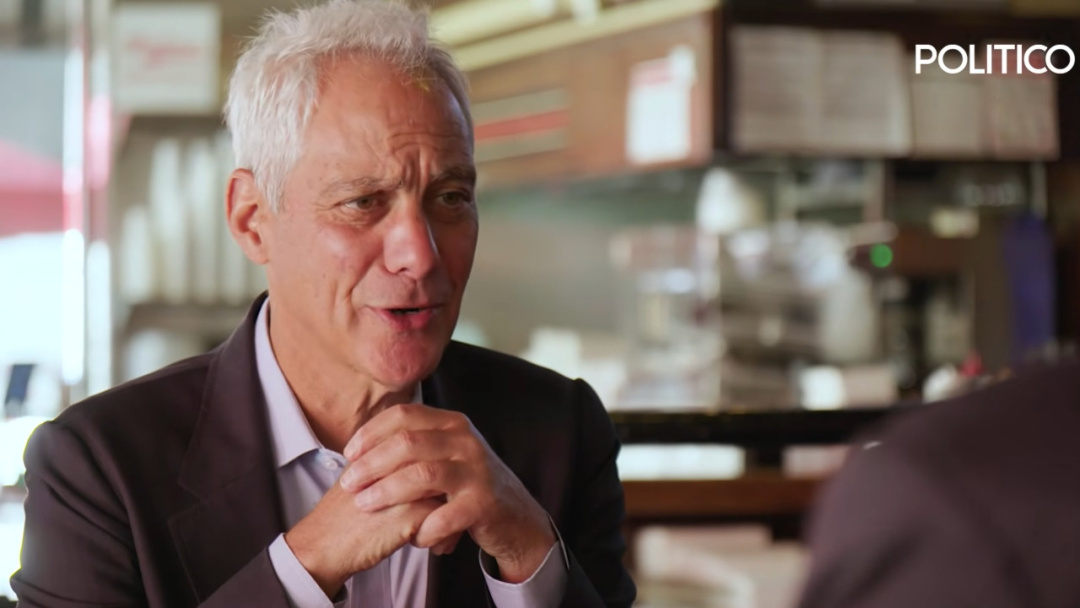
In an interview that can only be described as a masterclass in political self-importance, Rahm Emanuel, the former Mayor of Chicago and potential 2028 presidential candidate, faced the pressing issue of ‘stupid questions.’ Addressing his interviewer, Politico's Jonathan Martin, Emanuel did what any rational politician would do: he declared war on questions altogether, suggesting that only he possesses the unique insight required to navigate the murky waters of political inquiry.
Emanuel, who undoubtedly considers himself a ‘raging moderate,’ decided that the true crisis facing America isn’t inflation, healthcare, or climate change, but rather the epidemic of poorly phrased questions. In a stunning display of self-awareness, he admonished Martin, insisting that his line of questioning was beneath the lofty standards of Emanuel’s political prowess. Apparently, the only acceptable interrogatives should come with a seal of approval from the Emanuel Institute of Inquiry, where the curriculum includes ‘How to Not Ask Stupid Questions’ and ‘The Art of Asking Rahm.’
Still Beats Watergate:
Sponsor success. Continue reading:
This bold stance raises the question: what happens when the questions dry up? Will Emanuel host a national summit to train journalists in the fine art of questioning? Will he develop a new app that rates the intelligence of every question posed to him? Perhaps he’ll even launch a new media outlet, “Rahm’s Right Questions,” where only the most enlightened inquiries are published.
Meanwhile, the rest of us must grapple with the fallout of this new paradigm. Will ordinary citizens now need to submit their questions for review by a panel of experts before engaging in casual political discourse? Or will there be a special hotline where those who dare to ask a ‘stupid question’ will be met with a stern admonition from Emanuel himself?
As the 2028 election looms on the horizon, one thing is clear: Emanuel is not just running for office; he is also running a campaign against the very framework of political questioning. His latest antics suggest that the democratic process is now a delicate dance, requiring the right choreography to avoid stepping on the toes of the political elite.
So, as we gear up for the electoral circus, let us remember Emanuel’s clarion call: if you want to ask questions, you better come prepared with the right credentials, or risk being labeled as ‘stupid’ by the very politicians who are supposed to serve us. Because in the end, who needs open dialogue when you can have a dictatorship of the right questions?