FCC Chair Declares War on Free Speech, Claims It's for Our Own Good
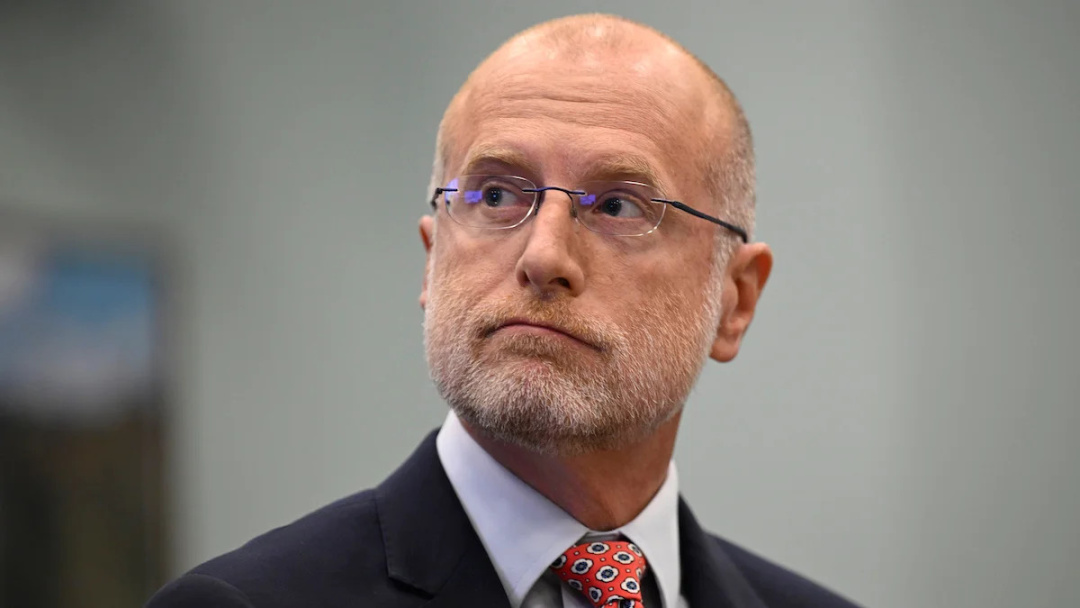
In a move that has left many scratching their heads, the Federal Communications Commission, led by Chairperson Brendan Carr, has decided to embark on an aggressive review of ABC's broadcast licenses. This initiative, cleverly packaged as a necessary regulatory process, has been swiftly denounced by a cadre of former FCC chairs who are now waving their arms in a collective fit of disbelief. They have labeled this endeavor a 'grave violation of both the Communications Act and the Constitution.' Apparently, the only thing more dangerous than a free press is an overzealous regulatory body that believes it can dictate the terms of free speech.
The rationale behind this review remains as murky as the waters of a swamp at midnight. It seems that in the glorious pursuit of regulatory integrity, the FCC has come to the conclusion that the best way to ensure fair play in broadcasting is to intimidate broadcasters into submission. Why let the Constitution stand in the way of a good old-fashioned power trip? After all, what’s a little First Amendment infringement when you’re merely trying to protect the public from the dastardly influences of mass media?
Still Beats Watergate:
Sponsor success. Continue reading:
In a statement that could only be described as bureaucratic poetry, a spokesperson for the FCC explained that this initiative is intended to ensure ‘responsible broadcasting.’ It’s a phrase that rolls off the tongue nicely, but one can’t help but wonder: responsible according to whom? With this kind of logic, it wouldn't be long before we see the FCC appointing itself the arbiter of truth, issuing licenses to those deemed worthy and denying the rest, all while humming a soothing tune about protecting the people.
Critics have pointed out that this review is not just an overreach but a blatant attempt to silence dissenting voices in media. After all, nothing screams 'free speech' quite like an agency armed with the power to revoke broadcasting licenses at will. One can easily envision a future where the FCC operates like a high school principal, doling out detentions to broadcasters who dare to stray from the approved script of 'acceptable news.'
Meanwhile, Carr appears undeterred, perhaps envisioning himself as the heroic knight valiantly battling the dragons of misinformation. However, in this fairy tale, the dragons are simply any viewpoint that diverges from the official narrative. As the former FCC chairs call for an end to this absurd charade, one can only hope that Carr finds his way back to the realm of reason before he turns the FCC into a parody of itself.
In the grand theater of political theater, this latest episode is a striking reminder that while the FCC may tout its commitment to regulation, it is in fact engaging in an elaborate dance that threatens the very fabric of free expression. As the curtain rises on this regulatory spectacle, one can only watch with bated breath, wondering what acts will unfold next in this tragicomedy of errors.