Senator Schmitt's BOASBERG Act: A Bold Step Towards Judicial Roulette
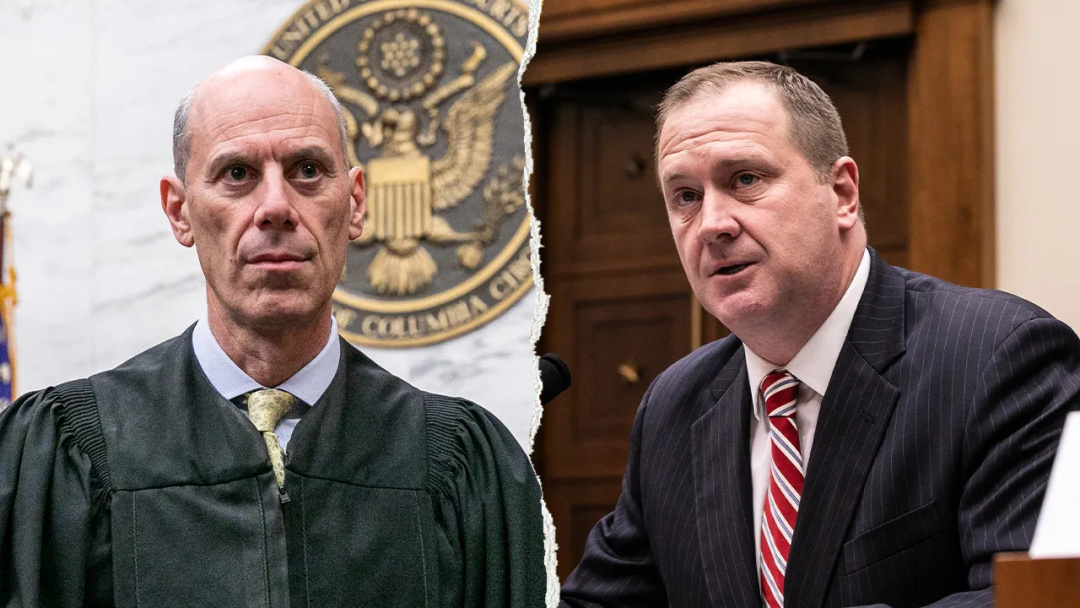
In a stunning display of legislative creativity, Senator Eric Schmitt from Missouri has unveiled his latest masterpiece: the Blocking Overt Attempts at Shopping By Enforcing Randomization Guidelines Act, or as the cool kids are calling it, the BOASBERG Act. This groundbreaking legislation seeks to eliminate the scourge of ‘rogue’ judges who have apparently taken it upon themselves to pick and choose which cases to oversee, especially when those cases involve the former president. The bill is aptly named after the infamous Judge James Boasberg, who has become a thorn in the side of many a GOP strategist. In a recent press conference, Schmitt proclaimed, "Judge Boasberg is the poster child for a rogue judge and exposed serious loopholes in our judicial system." One can only assume that Schmitt also has a poster of Boasberg hanging in his office, right next to his collection of ‘Most Wanted’ judges.
The BOASBERG Act proposes to add several layers of bureaucracy to the already labyrinthine federal court system, just what we need in a world where everyone is clamoring for more government intervention. Under the new rules, federal cases will be assigned at random, thereby preventing any judge from exerting undue influence over their legal destiny. Schmitt’s bill will also require courts to publicly disclose their case assignment practices, which sounds suspiciously like a reality show waiting to happen. Imagine it: "Judge Assignment Roulette!" where viewers can cheer as their favorite judge gets assigned to a high-profile case, only to be yanked away at the last moment.
Still Beats Watergate:
Sponsor success. Continue reading:
But it doesn’t stop there! If the Supreme Court intervenes in a ruling, the case will be randomly reassigned, effectively turning our judicial system into a game of legal musical chairs. And let's not forget the penalties for those who dare to meddle with the assignment process. Suddenly, judges might find themselves facing consequences for behavior previously considered par for the course in the political arena.
As Schmitt continues to push his legislation, one can’t help but wonder what his ultimate goal is. Is it truly about judicial transparency, or is it more about creating a system where judges feel like they are playing a never-ending game of chance? After all, if we wanted to witness a random selection process, we could simply watch the lottery. Schmitt, however, insists that his act is crucial for restoring the American people's faith in the judiciary. With such a bold move, he might just be the hero we didn’t know we needed—at least until the next judge gets assigned a case involving Trump.
As the BOASBERG Act makes its way through Congress, we can only sit back, pop some popcorn, and watch this judicial drama unfold. Will it end in triumph for Schmitt, or will he find himself navigating the murky waters of judicial unpredictability? One thing's for sure: the legal landscape is about to get a lot more entertaining.