WHCA Dinner: Reporters Channel Their Inner Mentalists
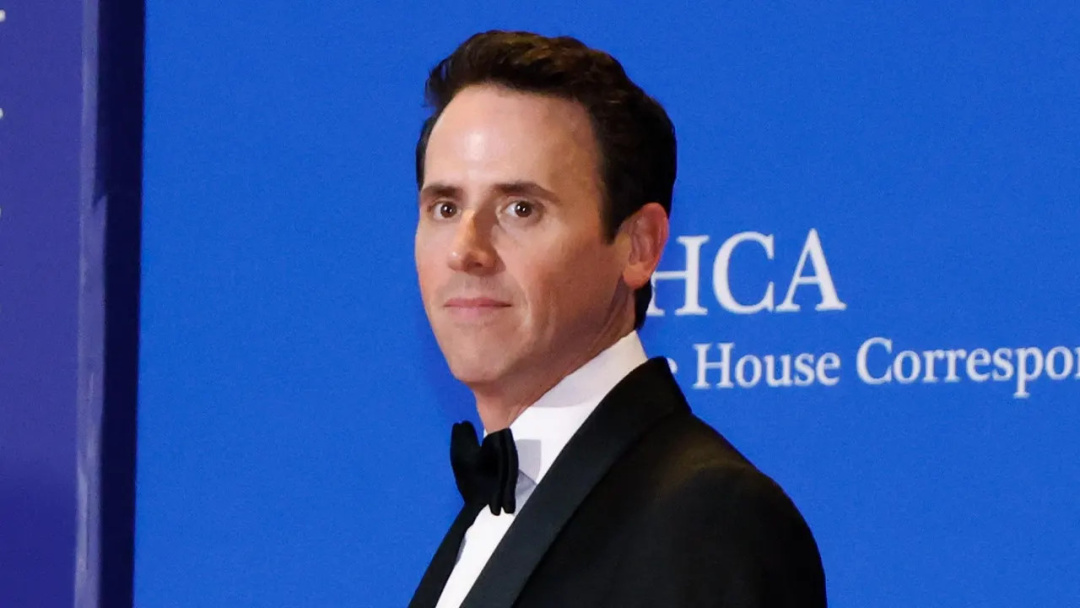
In a dazzling display of irony, the recent White House Correspondents' Association Dinner featured mentalist Oz Pearlman as the evening's entertainment, perfectly encapsulating the state of modern political journalism. As Pearlman performed tricks that left audiences guessing, one couldn't help but note the uncanny resemblance to the way political reporters operate today. After all, why bother with actual quotes or hard facts when you can simply divine the thoughts of our esteemed leaders from the ether?
The audience, filled with Beltway insiders who often rely on vague whispers and the occasional backroom chat, must have felt oddly at home. In an age where journalists seem to channel their inner mentalists, they pull conclusions from thin air, often attributing them to mysterious “sources” who are conveniently unnamed. It’s a delicate dance of speculation and imagination, where the truth is often the first casualty.
Still Beats Watergate:
Sponsor success. Continue reading:
"Sources close to the President" have become the equivalent of a magician's assistant—always present, but rarely seen. Reporters, it seems, are no longer content to relay what officials say or do; instead, they prefer to interpret the vague mumblings of aides and advisors as if they were reading tea leaves. Clearly, the art of guessing is the new gold standard in reporting.
In this environment, it’s no surprise that the mentalism theme resonated deeply. With approximately 2,000 employees in the Executive Office of the President and a staggering number of political appointees, one can only imagine the pressure journalists face to file stories. After all, if your job is to report on a President who loves the spotlight, why not just make it up as you go along?
The evening's festivities were a reminder that what constitutes news today often resembles a stage act more than a journalistic endeavor. Reporters have transformed into psychic performers, using a blend of wishful thinking and selective sourcing to forecast the President's next move or the Vice President's secret thoughts, often with little more than a hunch to back them up.
As speculation masquerades as reporting, the real casualty is the public's trust in the media. When the line between fact and fiction gets blurred, audiences are left to wonder: Are we consuming news or a magic show? The spectacle of mentalism at the WHCA dinner served as a powerful metaphor for a media landscape that increasingly values drama over substance.
So next time a reporter claims to know exactly what President Trump or Vice President Vance is thinking, take a moment to appreciate the mental gymnastics involved. Or, better yet, grab some popcorn and enjoy the show. After all, if they can guess the thoughts of the powerful, who needs actual reporting?