Presidential Oil Crisis: The Art of the Deal Meets the Oil Spill
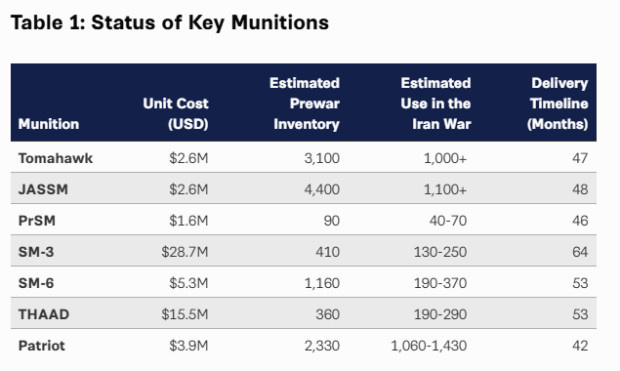
In a move that can only be described as the political equivalent of trying to refuel a jet while it’s in mid-air, the current administration has found itself in an oil crisis that is more ‘oops’ than ‘oops, we did it again.’ With military operations that have exhausted munitions faster than a toddler can empty a candy jar, the Oval Office is now scrambling to convince the world that they’re still in control, even as they’re clearly losing grip.
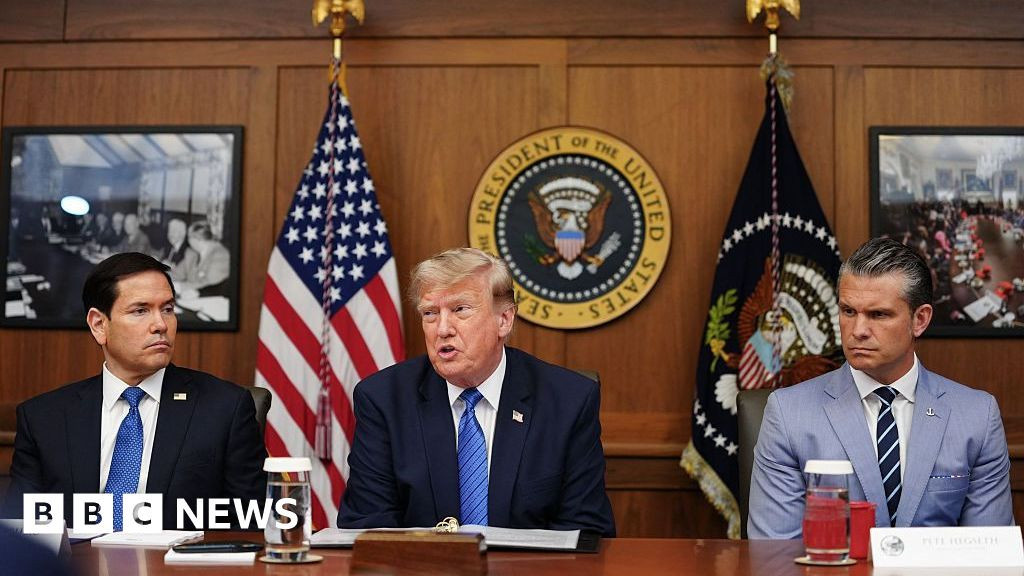
As President Trump enters yet another phase of negotiations with Iran, one can’t help but wonder if these talks are more about saving face than saving the world economy. After all, when you’re staring down the barrel of a potential global energy shortage, the last thing you need is to look like a deer caught in the headlights of your own military blunders. The irony is palpable: the same administration that boasted about its military prowess now finds itself on the back foot, caught off guard by a nation they underestimated.
Still Beats Watergate:
Sponsor success. Continue reading:
In a recent press briefing that felt more like a stand-up comedy routine gone wrong than a serious diplomatic effort, officials attempted to downplay the consequences of a potential oil shortage while simultaneously reminding the public of their military might. "We have the best weapons, folks, just totally the best!" said one flustered official, clearly hoping that bombastic rhetoric would distract from the glaring reality that their munitions were running low faster than a high school football team’s budget.
As the clock ticks down and oil executives knock on the White House door with the kind of urgency typically reserved for fire drills, the administration’s strategy appears to be one of creative improvisation. The President, who has been known to favor a particular style of negotiation that resembles a high-stakes poker game, now finds himself holding a hand that’s not just weak, but potentially catastrophic for global markets.
With oil supplies dwindling and the military’s stockpile resembling that of a garage sale, the administration’s efforts to reopen the Strait of Hormuz have turned into a game of diplomatic hopscotch. Each time a deal is reached, it seems to vanish faster than a magician’s rabbit. Just when it seems like they’ve struck gold, the Iranians pull a fast one, reminding everyone that they’re not just playing checkers while the U.S. plays chess; they’re playing 3D chess in an alternate dimension.
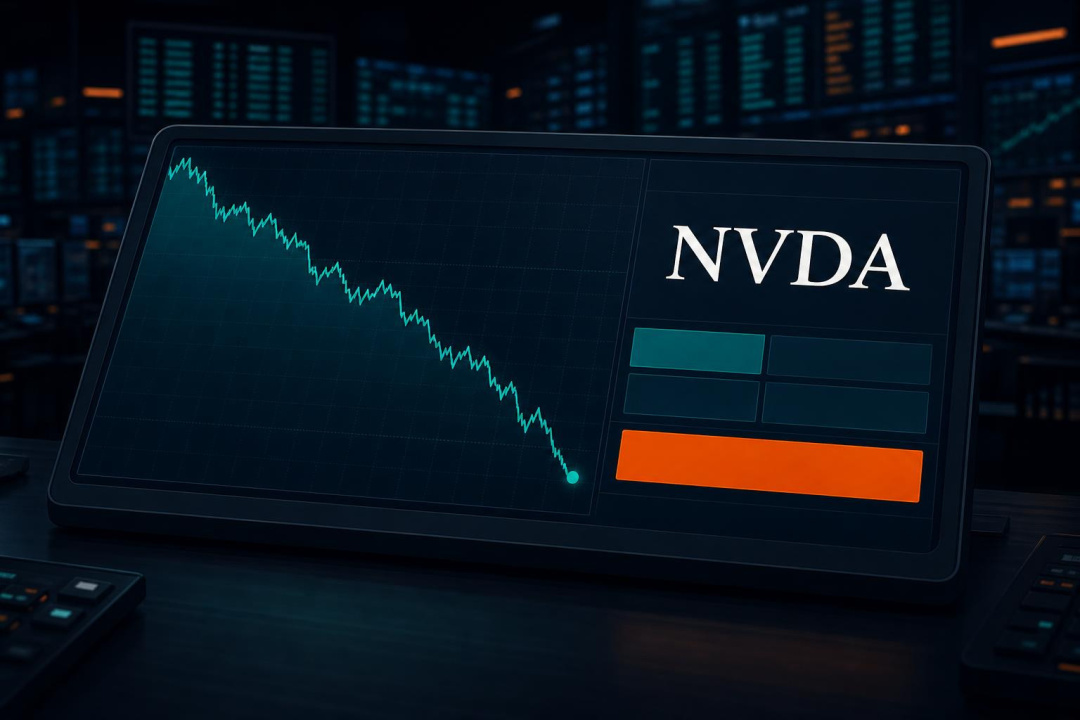
Meanwhile, analysts and pundits are left scratching their heads, pondering how an administration that once prided itself on its strength could find itself negotiating from a position of weakness. With each failed military strike and every breakdown in talks, the narrative shifts from one of dominance to desperation, leaving the public to wonder if the only thing more inflated than the oil prices is the administration's ego.
As the administration gears up for a potential re-escalation, one can’t help but feel a sense of impending doom. The question remains: will they be able to salvage their reputation, or will they be left to navigate a sea of oil prices that have risen dramatically while their credibility sinks like a stone? Only time will tell, but for now, it looks like the art of the deal has met its match in the art of the oil spill.