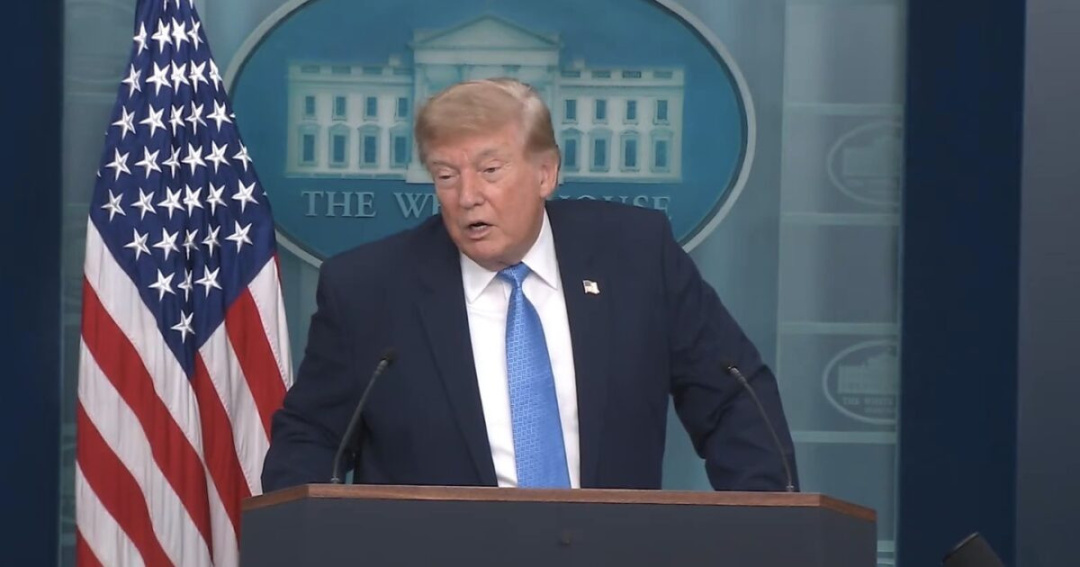
Trump's Newest Strategy: Silent Treatment at the WHCD
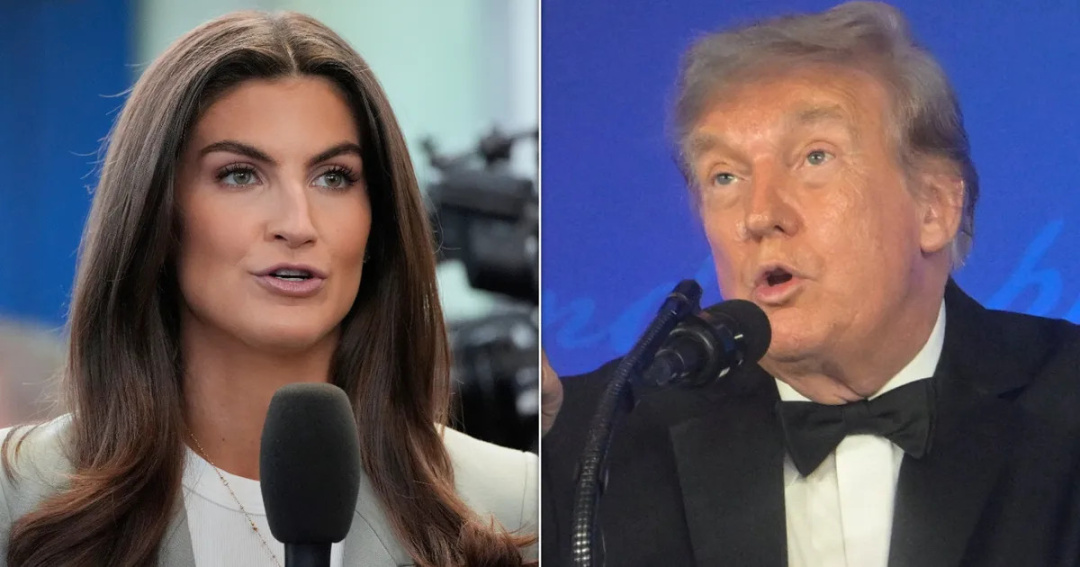
In a stunning display of strategic genius, President Trump has unveiled his latest tactic in dealing with the press: the silent treatment. During the recent White House Correspondents' Association dinner, Trump took time out of his busy schedule of tweeting and avoiding direct questions to target CNN's Kaitlan Collins, who has become something of a punching bag at the White House. However, the real kicker was not the personal attack itself, but the eerie silence that enveloped the room as his aides, Cabinet members, and Republican allies apparently held their breath in disbelief.
Sources close to the administration report that this silence is part of a new initiative aimed at stifling dissent and promoting a more peaceful atmosphere in the Oval Office. The President, who has long been a fan of direct confrontation, is now focusing on the power of quiet. "If you can't hear the questions, you can't answer them," an anonymous White House official noted, adding, "and if you can't answer them, they simply don't exist."
Still Beats Watergate:
Sponsor success. Continue reading:
Critics are already dubbing this approach the "Muffled Media Strategy," with many pundits suggesting that it could be the key to a successful re-election campaign. After all, if nobody can hear the tough questions, then surely the administration can paint a rosy picture of competence and success. Imagine the press briefings: no questions, no answers, just the soothing sounds of crickets chirping in the background.
In a recent interview, Collins expressed her surprise at the muted response from Trump's closest allies during the dinner. "I thought it was just me who had a knack for making things awkward, but it turns out the whole room was in on the act," she quipped. This has led to speculation that the administration might consider mandatory silence training for all staff, allowing them to master the art of not reacting when the President goes off script.
Meanwhile, Trump's allies are reportedly brainstorming creative ways to utilize this newfound silence. Ideas include a "guess the question" game, where staff members could compete to figure out what Collins might have asked had she not been silenced. This would not only foster camaraderie among the staff but also provide endless material for future campaign rallies, where Trump could brag about how he rendered the press utterly speechless.
As this innovative strategy unfolds, one thing is clear: the relationship between the White House and the media is about to get a lot quieter. With Trump leading the charge into uncharted territory, the question remains: will silence truly be golden, or just the sound of a thousand unanswered questions echoing through the halls of power? Only time will tell, but for now, the press can expect a new era of communication—one where the only thing louder than the President's tweets is the deafening silence that follows them.