Fear, Loathing, and Cuba: The Trump Administration's Newest Scare Tactic
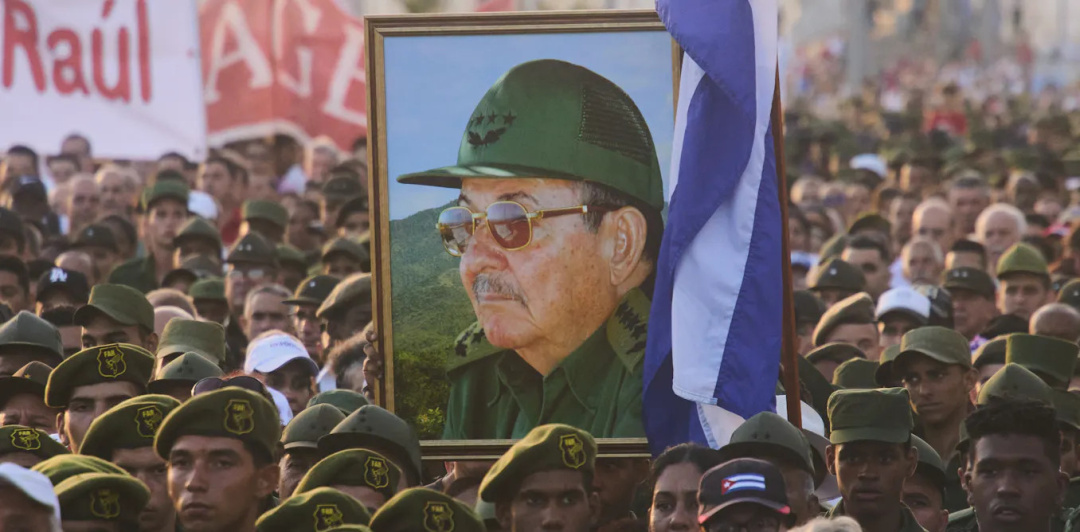
In a daring display of political theater, the Trump administration has unveiled its latest fear-inducing production titled "Cuba: The Capital of 21st Century Communism." This nearly 100-page opus is not just a report but an elaborate script designed to cast Cuba as the ultimate villain in a political drama where the radical left is the unexpected sidekick. As the midterm elections loom, this narrative serves a dual purpose: to reinforce base motivations while simultaneously attempting to distract from the administration's ever-growing list of domestic blunders.
The report offers audacious claims, suggesting that Cuba has been a puppet master for decades, pulling the strings of leftist movements in the U.S. It alleges that the Weather Underground, a group that peaked in the '70s, had direct communications with Cuban spies, who were apparently too busy plotting an explosive social agenda to notice the actual threats their own government poses. But wait, there’s more! The report ominously warns of “revolutionary tourism,” where leftists hop on flights to Cuba as if it's a summer vacation destination, presumably to attend radical workshops on how to overthrow the government while sipping mojitos.
Still Beats Watergate:
Sponsor success. Continue reading:
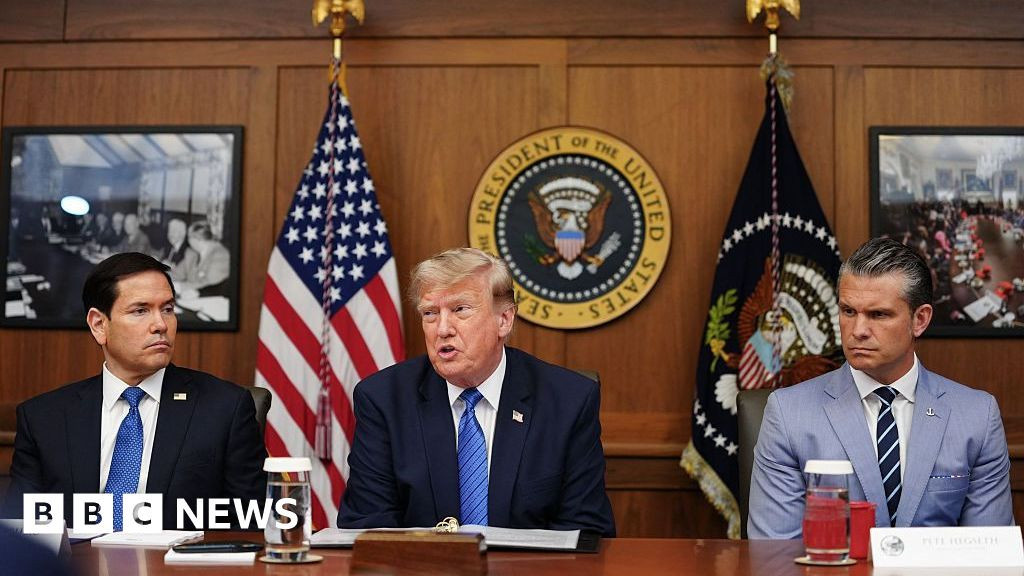
Meanwhile, Secretary of State Marco Rubio has been busy hosting international conferences on "resurgent far-left political terrorism"—a term that sounds like something out of a dystopian novel. During these gatherings, he passionately asserts that the threat of left-wing violence is so potent it could sprout legs, walk, and crush us all if we don’t act decisively. This rhetoric is rich with irony, considering the lack of attention given to the rising tide of far-right extremism that has recently made headlines for far more sinister actions.
It appears that the administration is not only seeking a foreign policy win after the Iran debacle but is also playing to its hardline base, hoping to rally voters by linking progressive movements to foreign enemies. It's a classic case of political sleight of hand: distract the audience with flashy claims about radicalism abroad while conveniently ignoring the real issues at home. The administration's strategy is equal parts fearmongering and confusion, like a magician who pulls a rabbit out of a hat but also accidentally reveals the rabbit is just a poorly disguised weasel.
As this narrative unfolds, one has to wonder what’s next. Will we see the designation of leftist organizations as terrorist groups? Will the IRS suddenly take a keen interest in the tax-exempt status of groups that might have once attended a Cuban cultural festival? And what about the potential for military action against an island nation that hasn’t posed a substantial threat in decades? It's a dizzying prospect, one that could lead to the U.S. engaging in a game of geopolitical whack-a-mole that leaves everyday citizens wondering who the real enemy is.
So as the Trump administration drags Cuba back into the spotlight, we can expect a new wave of press briefings filled with non-answers and dramatic proclamations. It’s all part of the grand production, a carefully choreographed dance of misinformation dressed as national security that leaves us wondering who the real terrorists are. As the curtain rises on this latest act, let’s hope we don’t get lost in the smoke and mirrors of fear, and remember that sometimes the greatest threats don’t come from abroad but rather from our own backyard, especially when it’s filled with political theatrics and a penchant for absurdity.