Senate Confirms New Director of National Intelligence: Who Needs Experience Anyway?
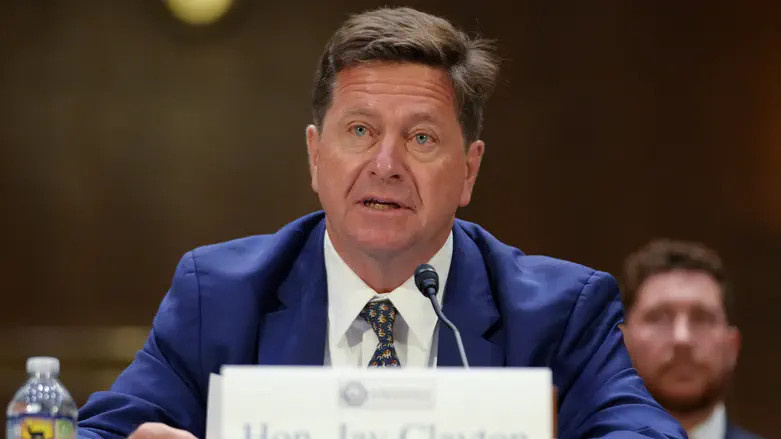
In a stunning display of what can only be described as a collective leap into the unknown, the U.S. Senate has officially advanced the nomination of Jay Clayton as the new Director of National Intelligence. This momentous occasion was marked by a procedural vote that, while not particularly thrilling, managed to capture the essence of our current political theater: a show where qualifications are optional but drama is mandatory. Clayton, a Manhattan U.S. Attorney, is set to take the reins of an agency that oversees a vast network of intelligence operations. Critics have pointed out that his experience with national security is about as robust as a soggy paper towel, but who needs experience when you have an impressive resume in, well, whatever it is he did? A Senate vote of 51-43 might suggest that half of our legislators are feeling optimistic about this appointment. Perhaps they believe that Clayton’s previous work involves enough courtroom theatrics to prepare him for the complexities of global intelligence. We can only hope that his ability to negotiate plea deals translates seamlessly into negotiating international espionage. Meanwhile, in a shocking twist of fate, the Senate has reaffirmed its commitment to the age-old tradition of appointing individuals based on political connections rather than pesky qualifications. It seems that any past experience in intelligence or national security is merely a bonus rather than a prerequisite. In a world where oversight is increasingly viewed as an inconvenience, the Senate has embraced the philosophy of 'if it sounds good, it probably is.' As we gear up for what could be a wildly unqualified leadership in intelligence, one has to wonder what could possibly go wrong. After all, it’s not like the safety of the nation is at stake or anything. In a press briefing following the vote, one senator was heard mumbling something about the importance of ‘fresh perspectives’ in intelligence work, which we can only assume means they are hoping Clayton will bring some much-needed naiveté to the role. The White House, for its part, has expressed its confidence in Clayton’s ability to gather intelligence, which, let’s be honest, could be a euphemism for simply listening to popular podcasts. As the final confirmation vote looms, the American people can only wait with bated breath for the next chapter in this ongoing saga of bureaucratic roulette. Will Clayton rise to the occasion, or will we find ourselves in a real-life spy thriller that resembles more of a comedy of errors? In any case, buckle up; it’s sure to be a wild ride in the world of intelligence, where the only thing more questionable than the nominees is the process by which they are appointed.
Still Beats Watergate:
Sponsor success. Continue reading: