Punch the Monkey: New White House Appointee or Just a Furry Distraction?
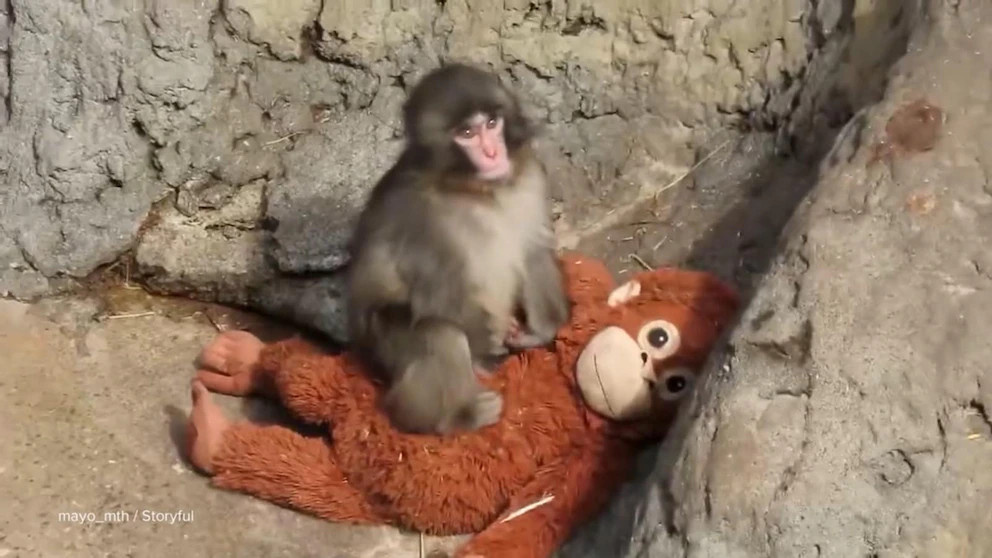
In what can only be described as a groundbreaking appointment, the White House has confirmed the ascension of Punch the Monkey as the latest cabinet member, tasked with the newly created Office of Primate Affairs. This decision has sparked intense debate over whether a cartoonish primate can effectively steer policy discussions, particularly at a time when serious issues like inflation and climate change loom large. Sources within the administration insist this is a strategic move to engage a younger demographic, with Punch reportedly boasting a social media following that dwarfs most influencers. After receiving a staggering 2,500 birthday cards from fans, the White House has cleverly positioned Punch as a symbol of hope and levity amidst the chaos of political turmoil.
Critics, however, are raising eyebrows, questioning the qualifications of a monkey who, until recently, had been known merely for his antics at the Ichikawa City Zoo. Supporters argue that Punch’s ability to swing from branch to branch mirrors the agility needed to navigate the often treacherous political landscape. In a press briefing that resembled a circus more than a government event, Press Secretary Sarah Hilarity stated, "Punch brings an unparalleled perspective to the table—he's not afraid to throw a few bananas when the situation requires a little chaos to break the tension."
Still Beats Watergate:
Sponsor success. Continue reading:
The official White House memo announcing Punch's appointment outlined several key objectives, including increasing public engagement through viral TikTok dances and hosting weekly 'Howler Huddles' to discuss pressing issues in a format that encourages playful interaction. The administration is also keen to capitalize on Punch’s status as a global internet sensation, hoping to leverage his popularity to distract from domestic challenges and enhance the administration's image as relatable and fun.
To ensure Punch can fulfill his duties, a team of highly trained aides will be assigned to interpret his gestures and vocalizations, a move that some have dubbed "the first official monkey translator program in U.S. history." Critics have been quick to point out that this program may lead to further bureaucratic absurdity, with the possibility of Punch throwing tantrums in Cabinet meetings if his demands for bananas are not met.
As the nation watches in bemusement, one has to wonder if Punch’s appointment is a clever ruse to keep the public entertained while serious governance takes a backseat. There is speculation that if Punch fails to deliver, the administration might pivot to a different animal, possibly a cat or a dog, to ensure the public remains engaged. After all, nothing screams political stability like a furry friend in the Oval Office.
In conclusion, while some may see Punch the Monkey's appointment as a step backward in serious governance, others might argue that it reflects the absurdity of our current political climate, where the line between entertainment and leadership continues to blur. As we await Punch’s first policy address, one thing is certain: the only thing we can expect is the unexpected, and perhaps a lot of monkey business along the way.