Iran Tests Trump's Patience with Drones; White House Hits Snooze Button
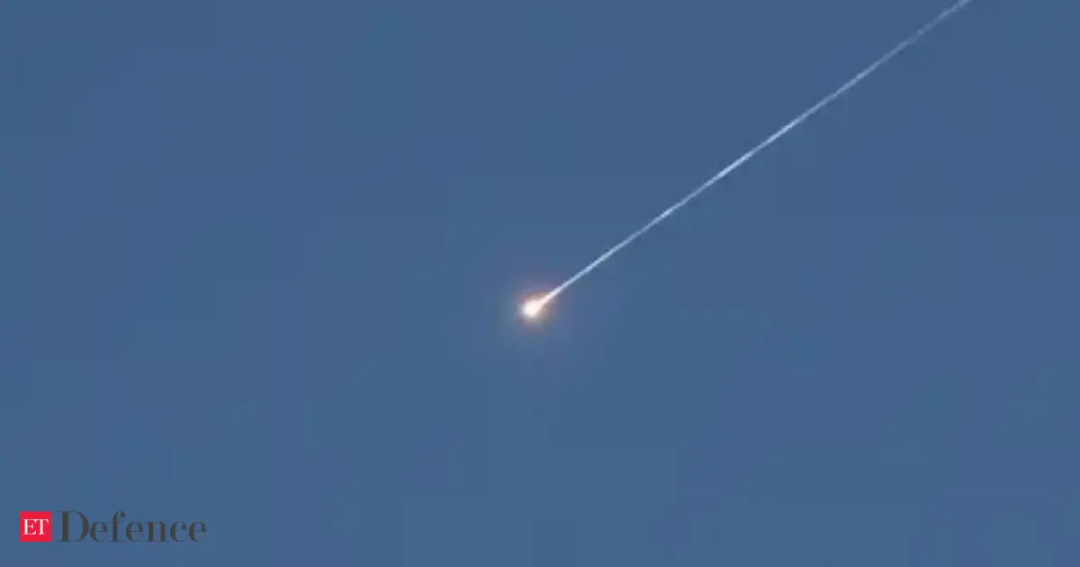
In what can only be described as a bold move in the geopolitical game of chicken, Iran has unleashed a swarm of drones against its neighbors, including Saudi Arabia, Jordan, and Iraq. This aerial assault coincides suspiciously with the White House's recent decision to hit the pause button on U.S. military action, which has led to rampant speculation. Is this the new world order, or just Iran taking the opportunity to showcase its latest military merchandise?
Sources close to the Oval Office have revealed that officials are currently in a heated debate about the best way to respond. Options on the table include a sternly worded tweet, a hastily arranged press conference featuring a PowerPoint presentation of drone images, or simply ignoring the situation until it resolves itself—classic bureaucratic maneuvering at its finest.
Still Beats Watergate:
Sponsor success. Continue reading:
Meanwhile, the administration has issued a statement clarifying that it is, in fact, still monitoring the situation, albeit from the comfort of their plush office chairs under a cloud of uncertainty. A spokesperson was heard mumbling something about “strategic patience” while sipping on a latte, hinting that the current strategy might involve waiting for a more convenient time to engage.
Press Secretary Spokesperson McSpokesperson also assured the public that the White House is not asleep at the wheel, even if it appears to be hitting the snooze button. "Rest assured, we are fully aware of the drone situation, and we are actively discussing it in our morning meetings, right after we finish our discussions about the latest Netflix series," they claimed.
As drone strikes continue to rain down on Saudi oil sites, the administration seems to be relying on the age-old strategy of hoping for good luck and a sprinkle of divine intervention. This has led to an unusual degree of optimism around the White House, with officials reportedly feeling that the situation could resolve itself without any real involvement from them.
Critics have pointed out that this approach may be less about strategy and more about avoiding any serious engagement that could disrupt the balance of power—or worse, the balance of their golf schedules.
In the meantime, as Iranian drones continue to circle like vultures, the world waits with bated breath to see if the White House will ever wake up from its self-imposed slumber. One thing is for certain: in the high-stakes game of international relations, it seems Iran is ready to play, while the U.S. might just prefer a nice long nap.