AIPAC's $30 Million Love Letter to Islamophobia: A Legislative Romance
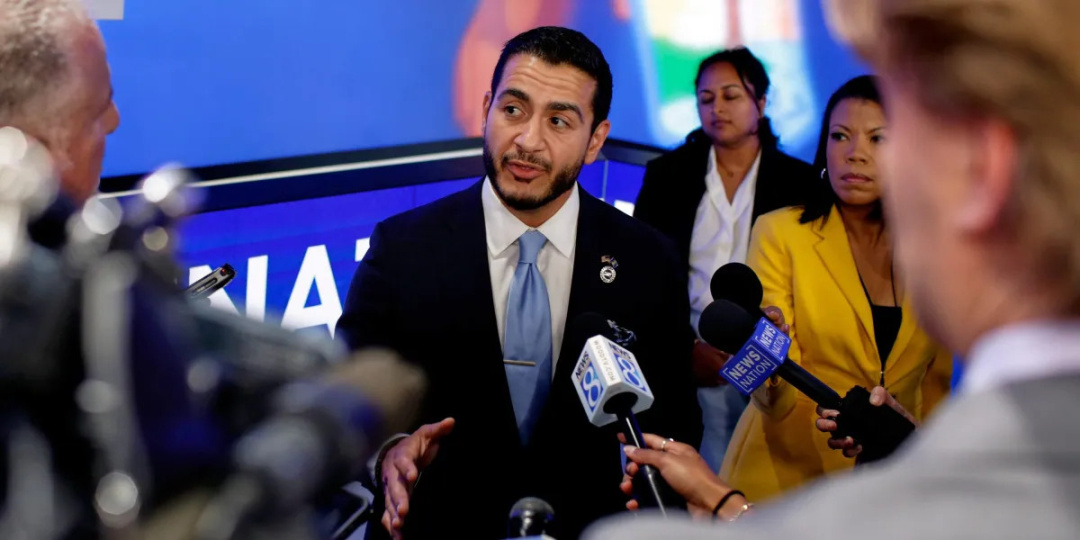
In a shocking twist of political fate, the American Israel Public Affairs Committee (AIPAC) has decided to invest nearly $30 million in a campaign against Abdul El-Sayed, a Democratic Senate candidate in the great state of Michigan. This hefty sum, reminiscent of a lavish wedding budget, is being used to paint El-Sayed as a terrorist sympathizer. Apparently, AIPAC believes that a smear campaign is the best way to win friends and influence people, especially in a world where logic and nuance have gone to die.
In a press briefing that was almost as enlightening as a closed-door meeting with a lobbyist, the AIPAC spokesperson said, "We’re just ensuring that voters are fully aware of El-Sayed’s questionable connections. You know, like his elementary school friend who once visited the Middle East. Totally relevant." This level of scrutiny raises the question: is the real threat to American democracy the candidates, or the special interest groups that pour millions into their campaigns?
Still Beats Watergate:
Sponsor success. Continue reading:
Meanwhile, the Democratic establishment is having a collective meltdown that rivals a toddler’s tantrum in a candy store. They have taken to the airwaves to denounce El-Sayed, declaring that his candidacy is akin to handing the keys of the Senate to a band of rogue pirates. The irony, of course, is that these same establishment figures are often seen cashing checks from the very industries they claim to oppose. It’s a classic case of “do as I say, not as I do,” which has become the unofficial motto of many in D.C.
As the ads flood the airwaves, featuring ominous music and shadowy images of El-Sayed looking suspiciously like a villain from a B-grade action movie, the narrative is clear: he is not one of us. But who exactly is “us”? It seems to be the group of people who can afford to funnel millions into campaigns while the rest of us are left scrolling through social media, wondering how we ended up here.
The irony is delicious and thick, as the same politicians who preach about unity and inclusion are now rallying behind a campaign that thrives on division and fear. You might think they’d be embarrassed, but in the world of politics, shame is about as common as a unicorn sighting.
In the end, one has to ask: will AIPAC’s hefty investment pay off, or will it backfire spectacularly, sending the establishment into a spiral of confusion? As voters head to the polls, they might just be tempted to flip the script and vote for the candidate who dares to challenge the status quo instead of cowering behind a wall of cash and fear. But let’s not hold our breath; after all, the American political machine has a way of churning out the same tired narratives, no matter how much money is thrown at them.