Bureaucratic Ballet: How to Dance with Secret Police in Minneapolis
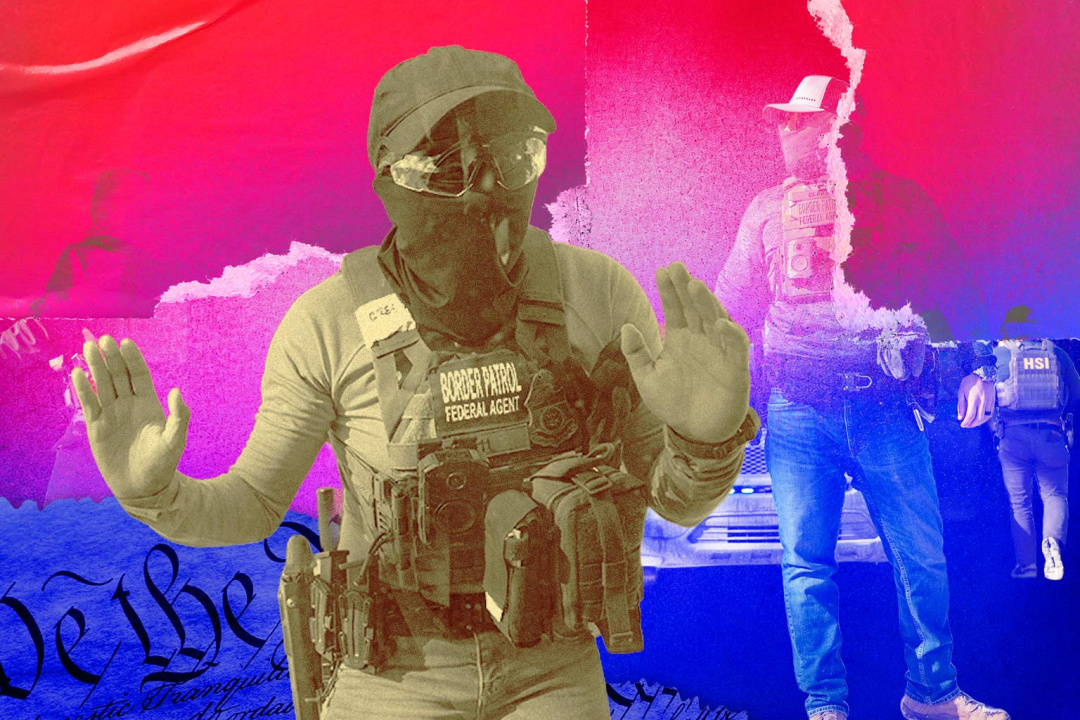
In the latest installment of the political circus, the administration's secret police initiative in Minneapolis has been described as nothing short of an avant-garde performance art piece. Titled 'Operation Metro Surge: A Study in Confusion,' this initiative dares to blend law enforcement with the subtle nuances of interpretive dance. The result? A wild spectacle that leaves both participants and observers wondering what on earth just happened.
Imagine this: uniformed agents pirouetting around protestors, their faces obscured by masks, creating a visual metaphor for the administration’s approach to civil liberties. The choreography is designed to confuse—agents scatter into the shadows, only to reemerge in unexpected places, evoking a sense of surrealism akin to a Salvador Dalí painting. Critics, however, argue that the performance's lack of clarity might lead to a few unintended consequences, like accidentally arresting the local mime troupe.
Still Beats Watergate:
Sponsor success. Continue reading:
Meanwhile, the administration has issued an official memo declaring that this is all part of their effort to serve and protect—using the term 'serve' in the same way one might refer to a waiter at a five-star restaurant, where the menu is constantly changing and the customers have no idea what's being served. In this case, the menu includes a generous helping of state-sponsored surveillance topped with a side of intimidation.
Furthermore, the press briefing on the operation featured a breathtaking display of doublespeak. Officials assured reporters that while the operation might appear heavy-handed, it is merely a 'proactive engagement strategy.' This is akin to describing a bull in a china shop as a 'dynamic interior decorator.' The spokesperson's nonchalance suggested that the administration considers this kind of bureaucratic mischief nothing more than routine business as usual.
In a bold twist, the memo continued by suggesting that citizens should embrace the ambiguity of their situation, as it fosters community resilience. After all, nothing says 'we care about your constitutional rights' quite like a surprise encounter with a masked officer performing a dramatic arrest scene on Main Street. It’s like a flash mob, but less fun and with more handcuffs.
As the operation unfolds, the administration's true artistry shines through: turning civil unrest into a staged performance where the audience is left guessing who the real stars are. Meanwhile, the citizens of Minneapolis are left to ponder whether they are witnessing a government initiative or merely the latest episode of a dystopian reality show.
In conclusion, if you're ever in Minneapolis and encounter a member of the secret police, just remember: they might just be auditioning for a role in the next big political theater production. And who knows? Perhaps next season they'll take their act on the road, performing for a wider audience desperate for answers in this bizarre saga of bureaucratic ballet.