Government Takes Bold Step to Combat Paper Leaks by Increasing Penalties for Everyone Except Itself
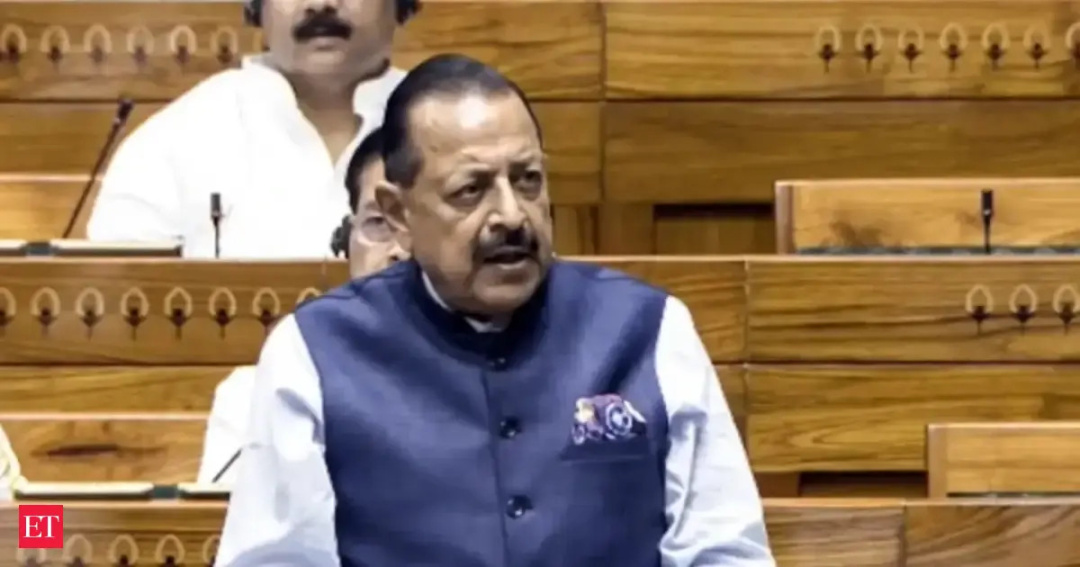
In a stunning display of legislative bravado, the government has introduced the Public Examinations (Prevention of Unfair Means) Amendment Bill, 2026. This bill aims to crack down on examination fraud with new penalties that could make even the most seasoned criminals reconsider their career choices. The proposed penalties for students caught in the act of cheating are so severe that they might as well include a lifetime subscription to ‘The Guilt Trip’ podcast.
The bill boldly increases fines for private agencies involved in examination fraud, raising the stakes to a level that would make even the most unscrupulous test prep companies sweat. As the government gears up to tackle this academic menace, one can only wonder if the actual problem is the exams themselves or the desperate lengths to which students will go to avoid them.
Still Beats Watergate:
Sponsor success. Continue reading:
Meanwhile, the political landscape is buzzing with protests from students and concerned citizens alike, who feel that the real issue is not the cheating, but rather the system that drives students to cheat in the first place. After all, if the exams were fair and not a convoluted game of ‘guess what the teacher is thinking,’ perhaps fewer students would resort to such underhanded tactics. But that’s a conversation for another day—perhaps one that can be had while serving time in a newly established ‘Cheaters Rehabilitation Center.’
As the government rolls out this bill amid a chorus of protests, it is critical to note that this legislative move is less about addressing the underlying issues of educational inequity and more about the optics of action. It’s like putting a band-aid on a gaping wound while simultaneously declaring victory in the war against educational malpractice. The government appears to be operating under the assumption that tougher penalties will deter students from cheating, much like a cat believes that swatting at a laser pointer will eventually capture it. Spoiler alert: it won’t.
In a classic example of bureaucratic irony, the administration seems to have forgotten that the same tactics of obfuscation and misinformation they are trying to penalize are often the tools of their own trade. If only there were penalties for leaking information in the administration itself, perhaps we would see a new era of accountability. But alas, those rules only seem to apply to the citizens while the politicians continue to enjoy the warm comforts of immunity and selective enforcement.
As this bill makes its way through the legislative process, it provides a perfect opportunity for the government to pat itself on the back for taking a stand—while simultaneously ignoring the fact that it is, in many ways, the biggest perpetrator of the very issues it seeks to address. The irony is thick enough to cut with a knife, but that won’t stop them from handing out slices of justice to anyone who dares to cheat on an exam. In the end, this bill is not just about preventing paper leaks; it’s about maintaining the status quo while pretending to fix the system.
Expect more political theater as this bill unfolds, and remember, in the grand play of government, the audience can always use a good laugh—even if the punchline is on them.