Senate Seat Shuffle: The Great Political Musical Chairs
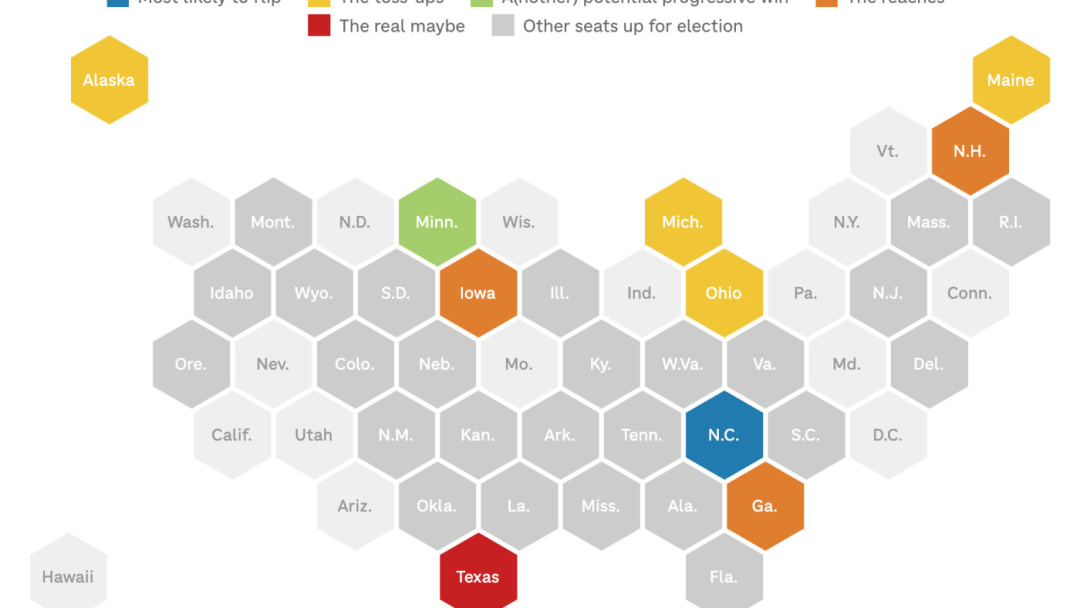
In the latest episode of America’s favorite political drama, "As the Senate Turns," the stage is set for an exhilarating round of musical chairs, a game where the chairs are Senate seats and the players are Democrats pretending they’ve rehearsed for this moment. As the midterm elections approach, the Democratic National Committee has released a new set of guidelines, humorously titled "Operation Flip-a-Seat," which outlines the party’s plan to reclaim the Senate. Spoiler alert: everyone loses.
The memo emphasizes the importance of creativity in flipping seats, suggesting that candidates should consider wearing clown shoes to symbolize the circus that is American politics. After all, what better way to distract from a campaign platform than to show up in oversized footwear? The DNC is convinced that a little levity might just convince voters to overlook the gaping holes in their policy proposals.
Still Beats Watergate:
Sponsor success. Continue reading:
Meanwhile, the Republicans are reportedly in a state of existential crisis, clutching their pearls as they watch the Democrats attempt to play the game of electoral strategy while simultaneously trying to avoid stepping on their own campaign slogans. A leaked internal memo from the GOP suggests that their strategy now involves a mix of panic and prayer, with representatives engaging in team-building exercises that include yoga and interpretive dance. They’ve even hired a motivational speaker known for his expertise in “Fear and Loathing in Political Campaigns.”
The Senate map, once a straightforward grid of potential victories, has become a colorful tapestry of confusion. As Democratic candidates scramble to flip four seats, they are encouraged to embrace their inner performer. One Democratic strategist was overheard saying, "If we can’t dazzle them with our policies, let’s at least make them laugh!" This has led to a series of increasingly bizarre campaign ads featuring candidates dressed as historical figures, from George Washington to the Great Pumpkin, all in the name of appealing to swing voters.
Polling data, which is notoriously fickle, suggests that voters are more inclined to support candidates who not only promise to address their concerns but also can deliver a punchline. In light of this, many campaigns are adopting stand-up comedy routines as part of their outreach efforts. Imagine a candidate ending a speech with, "And if you don’t vote for me, I might just run for Senate again!" The horror!
As the primaries approach, political pundits are sharpening their pencils, ready to analyze the chaos. A recent poll shows that 90% of Americans are more interested in how candidates will entertain them than what they actually plan to do in office. This has led to a new breed of candidate: the entertainers. Forget about qualifications; now it’s all about who can deliver the best one-liner.
In the end, the Senate race is shaping up to be less about serious governance and more about who can juggle the most flaming torches while riding a unicycle. As the music plays and the chairs are rearranged, one thing is clear: when it comes to politics, we are all just players in an elaborate game of musical chairs, and the only certainty is that someone will end up on the floor.
So, as we eagerly await the primaries, let us remember: in politics, as in life, it’s not about winning or losing; it’s about how entertainingly you can fall flat on your face.