Illinois Tuition Benefits for Illegal Aliens Struck Down: A Win for Bureaucratic Obfuscation
In a stunning display of legislative gymnastics, a federal court has tossed out Illinois' initiative to offer in-state tuition benefits to illegal aliens, citing the noble cause of ensuring that citizens of other states receive equal treatment. U.S. Attorney Steven D. Weinhoeft proclaimed this ruling as yet another victory in the ongoing saga of political theater, where laws are crafted with the precision of a toddler assembling a jigsaw puzzle—only to find that half the pieces are missing.
The court's decision has been hailed by some as a triumph for fairness, while others see it as a textbook example of bureaucratic overreach. In a land where state lines are often treated like the Berlin Wall, the notion of offering benefits to non-citizens has sparked a debate that is less about policy and more about who gets to wield the moral high ground.
Still Beats Watergate:
Sponsor success. Continue reading:
In a press briefing that could rival the finest Shakespearean soliloquies, Weinhoeft declared that Illinois had been “incentivizing illegal immigration on the taxpayer's dime.” This statement was met with applause from the politically aware and a collective shrug from those more concerned about the latest TikTok dance trends. After all, nothing says 'American Dream' like a good old-fashioned court ruling that prioritizes the rights of citizens over those who may have taken a slightly different path to pursue their dreams.
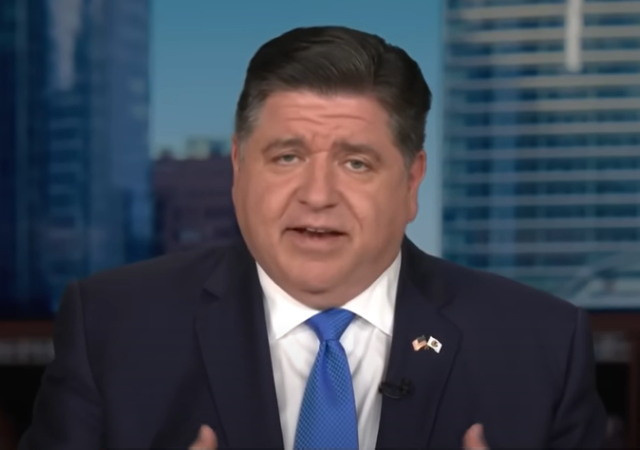
Meanwhile, Governor J.B. Pritzker’s office, caught in the whirlwind of this legal setback, quickly pivoted to a strategy reminiscent of a magician pulling a rabbit out of a hat—only to reveal that the rabbit is, in fact, just an old sock. Their official statement read as if it had been crafted by a committee of caffeinated squirrels: “We will continue to explore all avenues to ensure equitable access to education for all students.” This is a nice sentiment, but one must wonder if the message was lost in translation somewhere between the committee meeting and the drafting room.
As Illinois grapples with the implications of this decision, other states are watching closely, perhaps taking notes on how to craft legislation that avoids the courtroom drama. The irony is thick here, as states that once touted inclusivity may now recoil at the potential backlash from a public tired of political correctness. In the end, this ruling serves as a reminder that in the realm of political maneuvering, it’s not just about the law but about the spectacle and the story that surrounds it.
So, as the dust settles and the bureaucratic machinery grinds on, one thing remains clear: in the world of politics, the only thing more certain than a court ruling is the next round of absurdity waiting just around the corner. Whether it’s tuition for undocumented students or the latest legislative proposal that promises to fix everything without really changing much at all, the game of political chess continues, with pawns moving sideways and kings declaring victory from the sidelines.
In a country where every decision seems to necessitate a press conference and a spin cycle, the only true winners are the pundits feasting on the chaos, while the average citizen is left to wonder why they can’t just get a straightforward education without the added drama of legality and political posturing.