New York City Landlord's Moldy Masterclass in Tenant Relations
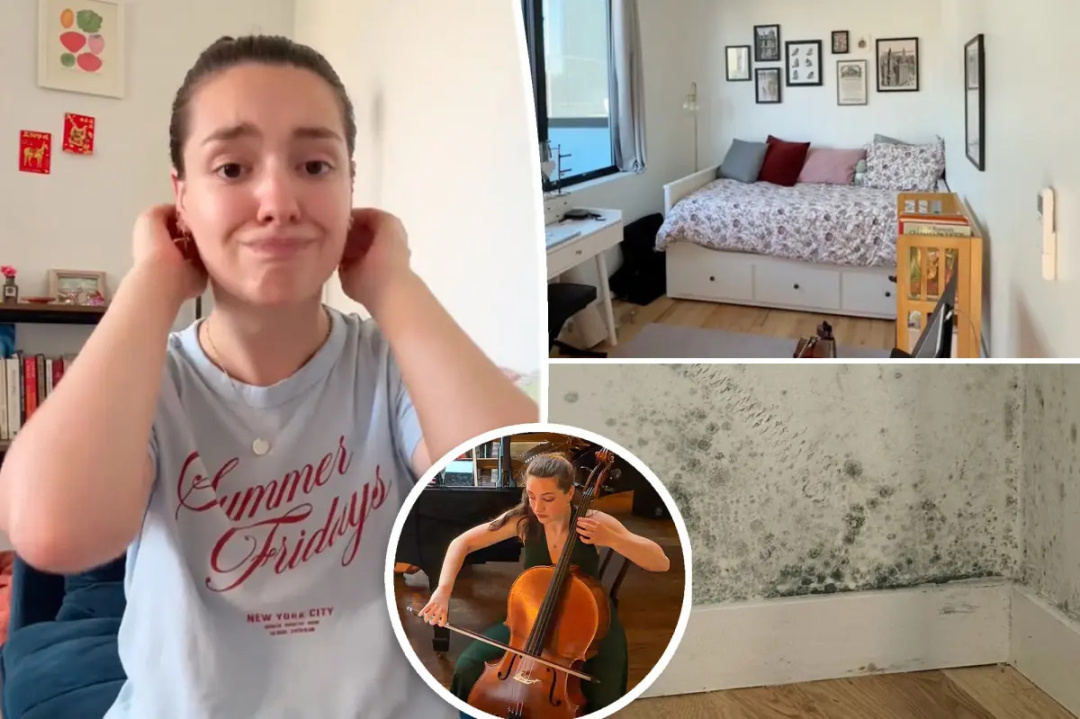
In an inspiring saga of dreams dashed and mold unleashed, a Juilliard graduate thought she had hit the jackpot when she signed a lease for a swanky Manhattan penthouse. But alas, what was once a pristine vision quickly morphed into a horror show that could only be scripted by a particularly cynical playwright. Lydia Rhea and her roommates were sold on the allure of modern luxury with spacious layouts and in-unit laundry, only to discover that their new digs came with an unwelcome bonus: a thriving colony of toxic mold and a management team that could only be described as spectacularly unresponsive.
As Rhea navigated her new abode, it became clear that the highlight of her living experience was the impressive mold growth that turned her walls into a grotesque urban art installation. The fun didn’t stop there; mail delivery was apparently an optional service, with her building’s post boxes installed at a height that could only be reached by an Olympic pole vaulter. When she finally managed to pry her mail from the local post office, it felt less like a joyous reunion and more like an impromptu community mail heist.
Still Beats Watergate:
Sponsor success. Continue reading:
Like a bad sitcom, each new episode in Rhea’s life featured increasingly ridiculous scenarios. After enduring months of complaints about leaky faucets and a dishwasher that was more of a decorative piece than a functional appliance, she discovered the true horror: a bathroom ceiling that leaked not only water but also her sanity. Management, in an act of bureaucratic genius, offered nothing but temporary fixes, which was a fitting response to what could only be described as a structural catastrophe.
As leaks morphed into mold and the building management became less responsive than a brick wall, Rhea’s living situation took an even darker turn. The situation climaxed in a violent shooting outside their building, which seemed to serve as a fitting metaphor for the existential dread that had taken residence in their once-dreamy penthouse. Rhea and her roommates, now feeling like prisoners in a poorly constructed fortress, quickly learned that the only thing worse than mold was the realization that their landlord was just as absent as their mail.
When Rhea and her roommates finally decided enough was enough, they found themselves in the midst of a bureaucratic battle that rivaled the most convoluted of legal dramas. Their attempts to hold the landlord accountable were met with the kind of indifference usually reserved for lost socks. The Department of Housing Preservation and Development, in a shining example of governmental efficiency, closed their complaint with a simple note: there were no violations. Apparently, living in a moldy, unresponsive environment does not violate housing laws, a revelation that surely left Rhea and her roommates feeling buoyed by the ineptitude of city agencies.
In the end, Rhea secured her deposit after a series of epic confrontations that could have filled an entire season of reality television. However, the experience left her with a bitter taste and a newfound appreciation for pre-war buildings, which she now views as bastions of stability amid the chaos of modern construction. As she embarks on a new chapter in her Upper West Side apartment, Rhea’s story stands as a cautionary tale for anyone daring to venture into the unpredictable world of New York City renting—where dreams meet mold and management meets mediocrity.