Trump's WHCD Speech: A Masterclass in Awkwardness and Self-Delusion
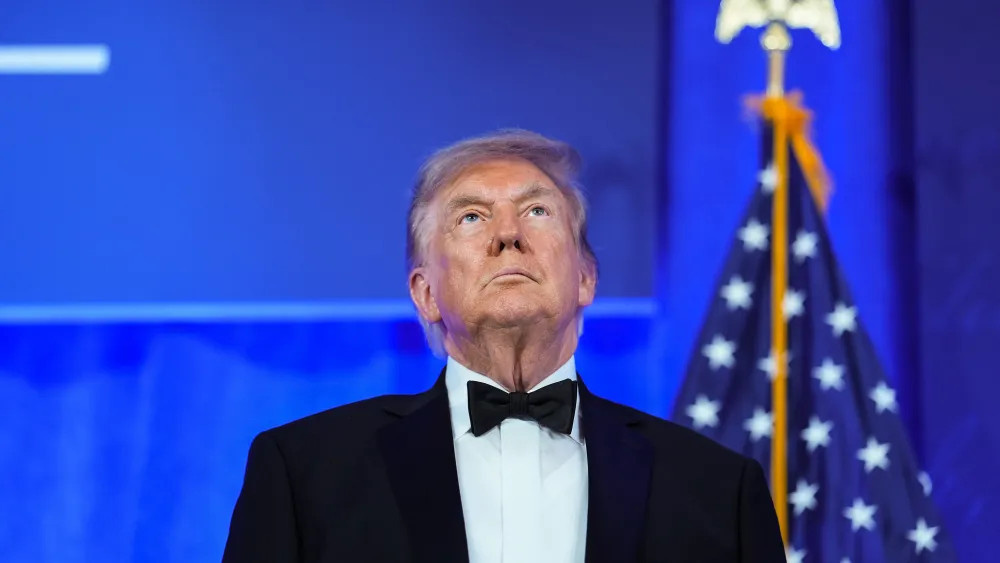
In a spectacle that could only be described as an avant-garde political theater piece, Donald Trump took the stage at the White House Correspondents' Dinner, armed with a script that would make even the most seasoned stand-up comedian cringe. His hour-long tirade against the media was punctuated by awkward pauses, confused glances, and a palpable sense of discomfort that had the audience collectively holding their breath, wondering if they should laugh, cry, or simply flee the scene. It was as if he mistook the gala for a roast, but the only thing being roasted was his dwindling relevance in the political landscape.
In a classic case of misreading the room, Trump launched into a series of bizarre attacks on the press, which, in his mind, were surely intended as comedic jabs but landed with all the grace of a lead balloon. The audience, packed with journalists and dignitaries, sat in stunned silence as he delivered punchlines that seemed to have been left in the oven too long, emerging burnt and unrecognizable. No one was quite sure whether to applaud his audacity or pity his obvious disconnect from reality.
Still Beats Watergate:
Sponsor success. Continue reading:
As he waxed poetic about the virtues of his own presidency, it became clear that Trump is fully committed to a form of performance art that blends delusion with desperation. His claims about the media’s alleged misrepresentation of his administration sounded less like factual rebuttals and more like a child pouting over a game of Monopoly gone wrong. "You’re all fake news!" he proclaimed, as if that declaration alone would magically erase the years of documented missteps. It was a bold strategy, one that he’s seemingly perfected in his ongoing quest for validation.
While other speakers might have opted for light-hearted anecdotes or clever quips to engage their audience, Trump chose to double down on his grievances, dragging the evening into a surreal spiral that left everyone questioning their life choices. It’s as if he believes that simply shouting louder will somehow drown out the reality of his presidency, a tactic that has worked wonders for him in the past but fell flat in the polished halls of the Washington elite.
The aftermath of the evening revealed a President who is perhaps more comfortable in front of a rally crowd than a room full of journalists—an audience he simultaneously seeks to entertain and scorn. It’s a complicated relationship that seems to thrive on chaos, and if his performance was any indication, he’s perfectly willing to play the role of the misunderstood artist, desperate for the approval of an audience that remains steadfastly skeptical.
In a final flourish, Trump left the stage to a mix of awkward applause and suppressed laughter, a fitting conclusion to an evening that will be talked about for years to come. The White House Correspondents' Dinner has always been a stage for political theater, but on this night, it became clear that the show’s headliner may have taken a wrong turn somewhere between reality and his own personal fantasy. As the dust settles, one thing remains certain: Trump’s ability to command attention, whether through laughter or disbelief, remains unmatched in the annals of political performance art.