Kevin Warsh’s Silence: The Federal Reserve’s Secret Retirement Plan?
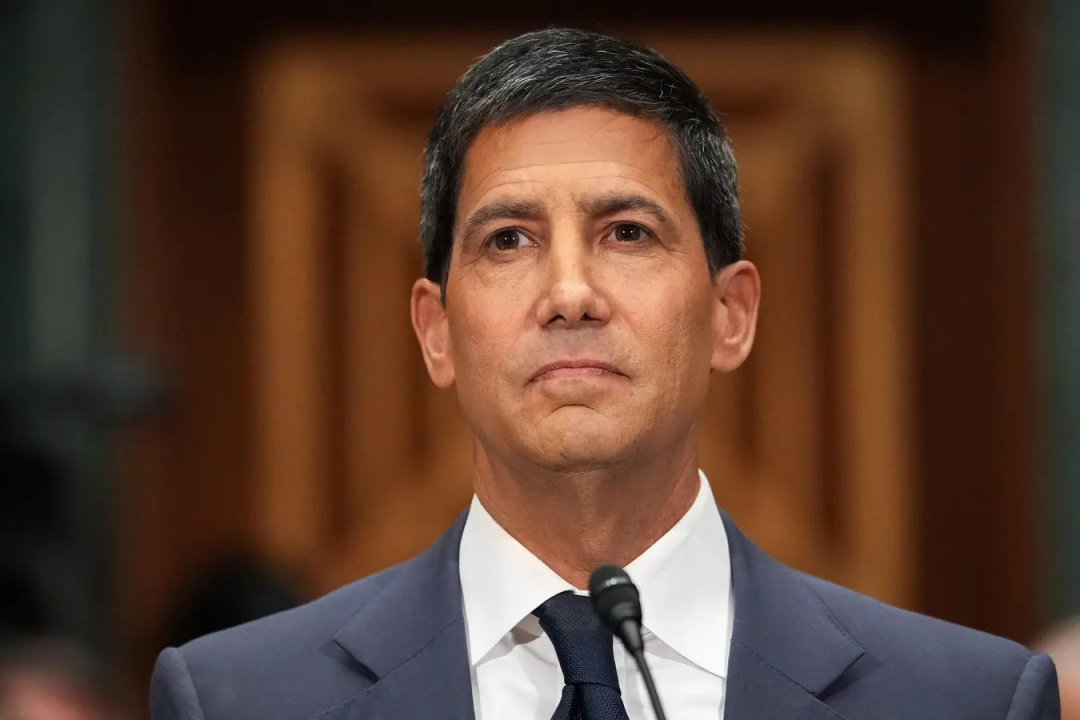
In an unprecedented move that has left economists scratching their heads and the public in a state of bemused confusion, the Federal Reserve has apparently decided that silence is golden. Yes, you heard it right—Kevin Warsh, the once-buzzy nominee for Fed Chair, has chosen to embrace the sound of crickets over the sound of policy announcements. As the nation waits with bated breath, it seems the Fed is testing a radical new strategy: doing absolutely nothing.
The new approach, dubbed "Minimalist Monetary Policy," has been met with a mix of admiration and sheer disbelief. Financial analysts are now left to ponder whether the Fed's silence signifies a deep, philosophical shift in economic theory or if they’ve simply misplaced their microphones. In a world where everyone screams for attention, the Fed seems to be saying, "We’ll just hum a tune and see if you notice."
Still Beats Watergate:
Sponsor success. Continue reading:
Insiders suggest that this newfound quietude might be a prelude to a major overhaul of the central banking system. The Fed has reportedly been exploring alternative careers, including interpretive dance, where they will express the complexities of interest rates through dramatic movements and interpretative gestures. After all, if the economy can’t have a steady hand guiding it, why not let the ballet of the markets take center stage?
In a baffling memo leaked to the press, a senior official suggested that the Fed’s silence might actually be a brilliant way to instill confidence in a shaky economy. "If we don’t say anything, the markets can’t panic over our decisions. It’s like the old saying: If you can’t beat them, don’t bother trying to explain yourself to them either," the memo stated.
As speculation mounts, some believe that Warsh's silence could be the harbinger of a new era where central banks communicate through emojis and GIFs instead of press conferences. Imagine a world where the Fed announces its next moves with a simple thumbs-up or a dancing cat—now that’s a monetary policy everyone can get behind.
Political pundits are already forecasting the impact of this radical departure from tradition on the upcoming elections. Candidates are scrambling to develop their own strategies for silence, hoping to capitalize on this new trend. "Why debate when you can just nod thoughtfully and let the voters interpret your intentions?" one strategist quipped.
So, as the Federal Reserve enters this exciting new chapter of silence and ambiguity, the nation waits to see if this bold experiment will lead to a financial renaissance or if it will simply become a historical footnote on the importance of communication in economic policy. In the meantime, we can only hope that Kevin Warsh has a few dance moves up his sleeve to keep us entertained during this quiet period.
Until then, let’s embrace the silence and wait for the Fed to surprise us—because who doesn’t love a good plot twist in the world of monetary policy?