Pentagon Missiles: The Latest Casualty in Trump's War Games
In a shocking display of bureaucratic gymnastics, President Trump has decided to put the brakes on an impending military strike against Iran, citing an alarming shortage of air-defense missiles within the Pentagon. The news, which has left military strategists scratching their heads and civilians rolling their eyes, comes at a time when the administration was poised to unleash a ‘massive attack’—which, it seems, would have been more of a symbolic gesture than a strategic one, given the dwindling stockpile of interceptors.
Sources close to the situation revealed that during a recent meeting with senior advisors, concerns were raised not only about depleting missile reserves but also about the potential for a wider regional conflict. Apparently, the thought of upsetting Gulf allies who might be vulnerable to Iranian retaliation was enough to give even the most hawkish of officials pause. Who knew that keeping the peace was as simple as having enough missiles on hand?
Still Beats Watergate:
Sponsor success. Continue reading:
The Joint Chiefs of Staff reportedly warned that while it might be technically feasible to launch a few strikes here and there, it would ultimately result in a catastrophic depletion of air defenses. The irony of needing to conserve missiles while planning a military operation is not lost on anyone—except perhaps those in charge of procurement at the Pentagon.
As the president publicly vows to consider all options, including diplomacy, the reality is that this pause isn’t just a tactical retreat; it’s a full-on retreat from reality. With missile inventories dwindling, it seems the administration's strategy is akin to a game of chess where one side has run out of pieces but insists on continuing to play. Perhaps the White House should consider a new diplomatic approach: offering Iran a missile swap. Maybe they can trade a couple of their more effective missiles for a few of ours.
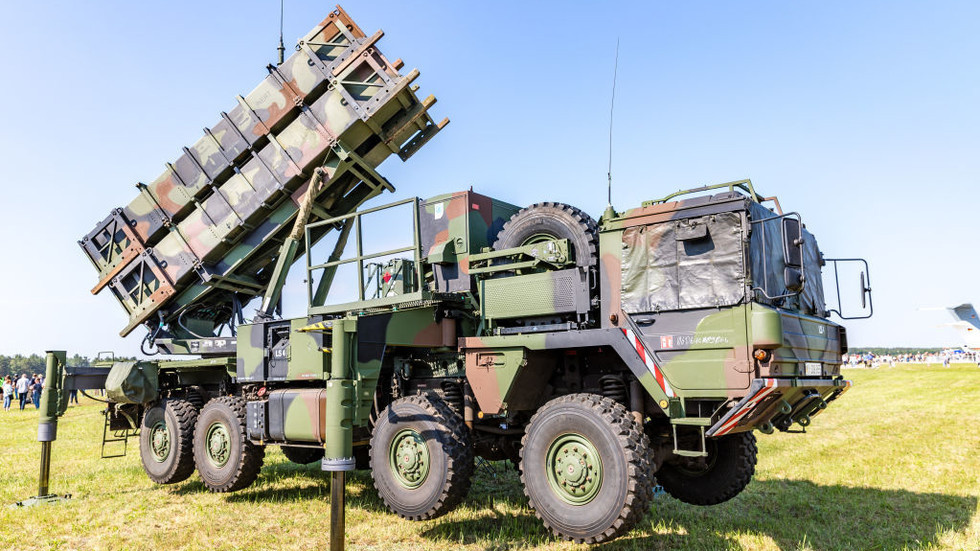
The spiraling costs of military engagements seem to have finally caught up with the administration. After all, when you’ve used up 45% of your Precision Strike Missiles and half of your Patriot interceptors, one might think it’s time to reconsider the old adage about fighting battles you can’t afford. Instead, the focus is on how to stay tough while the inventory shelves remain bare.
And while the world waits for Trump’s next move, there’s a growing realization that the only thing more dangerous than an Iranian missile is a United States missile that’s simply not there. As the administration scrambles to manage the narrative, one has to wonder if the real threat isn’t just Iran but the sheer incompetence of keeping track of military supplies.
In the grand scheme of things, perhaps this pause in military action is a blessing in disguise, a moment of clarity in a foggy battlefield of mixed signals and poor planning. As we watch this administration navigate its way through yet another crisis of its own making, let’s hope someone somewhere is counting the missiles—and maybe even the cost of their own bluster.