Negotiations in the Middle of Airstrikes: A New Dance in the Oval Office
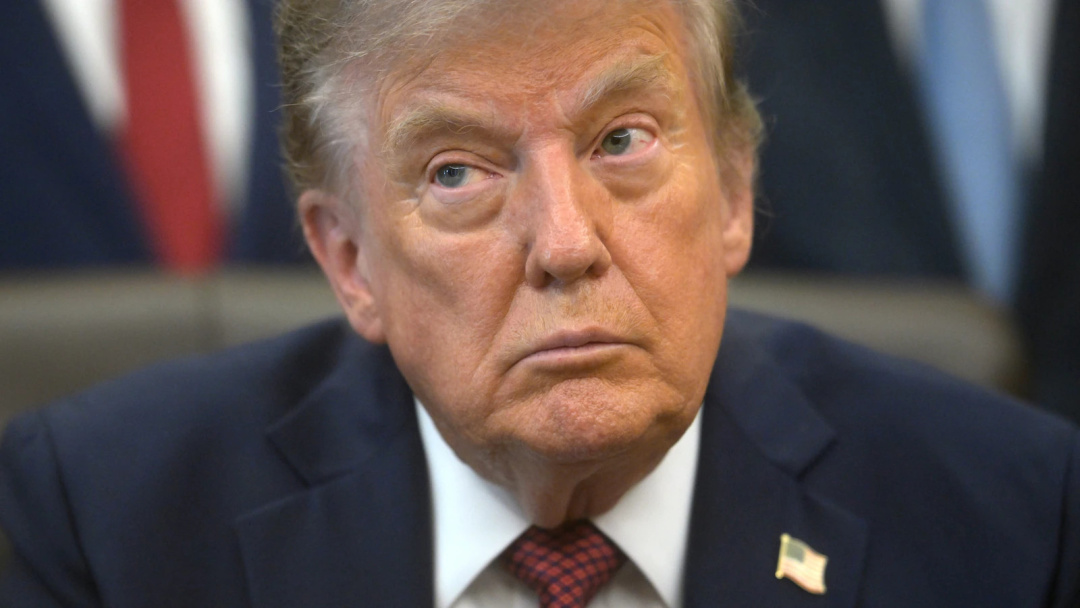
In a stunning display of diplomatic gymnastics, the U.S. military has decided to hit the pause button on airstrikes against Iran, allowing the administration to engage in some high-stakes negotiations. This sudden lull comes after two weeks of escalating hostilities that seemed more like a reality TV drama than serious geopolitics. As President Trump threatens to escalate while simultaneously trying to woo Iran back to the negotiating table, it’s clear that the only thing more volatile than the situation in the Middle East is the administration’s messaging.
Reports indicate that both nations are eager to find common ground, primarily because each has a vested interest in keeping the Strait of Hormuz open—after all, who wants to see gas prices soar before the midterms? While the President insists he’s “not in a hurry” to resolve the situation, one can’t help but wonder if the rising cost of fuel is weighing heavily on his mind, particularly with voters eyeing the exits to the polling booths.
Still Beats Watergate:
Sponsor success. Continue reading:
Adding layers to this diplomatic saga is Israeli Prime Minister Benjamin Netanyahu’s upcoming visit to Washington, which will likely add a touch of spice to an already complicated recipe. As tensions simmer, Netanyahu's presence feels like a dramatic plot twist, one that might just send the negotiations spiraling or, conversely, lead to a surprise duet.
In the meantime, the administration is touting the pause in airstrikes as a “positive signal” for de-escalation. This is like saying a couple arguing over dinner is making progress because they’ve decided to pause the food fight. However, behind the scenes, discussions reportedly focus on allowing Iran to manage shipping through the Strait with fewer restrictions, which might just be the first step toward a ceasefire—or a recipe for further chaos.
Critics might say that the administration is playing a dangerous game, mixing diplomacy with military action like a bartender who can’t quite remember the recipe for a cocktail. As missiles fly and negotiations proceed, the question remains: can the U.S. and Iran find a way to coexist without resorting to more violence? Or will the Oval Office become the backdrop for a geopolitical soap opera that leaves everyone questioning the sanity of their leaders?
While Trump and his team reassess their strategy, the world watches and waits, popcorn in hand. Each day without airstrikes could be seen as a step toward peace, or merely a pause before the next explosive episode. As the administration navigates through this tangled web of military and diplomatic maneuvers, the stakes have never been higher. Will they stick the landing, or will the whole operation go down in flames?