Trump's Mail-In Voting Order Hits a Legal Speed Bump, Appeals Court Unimpressed
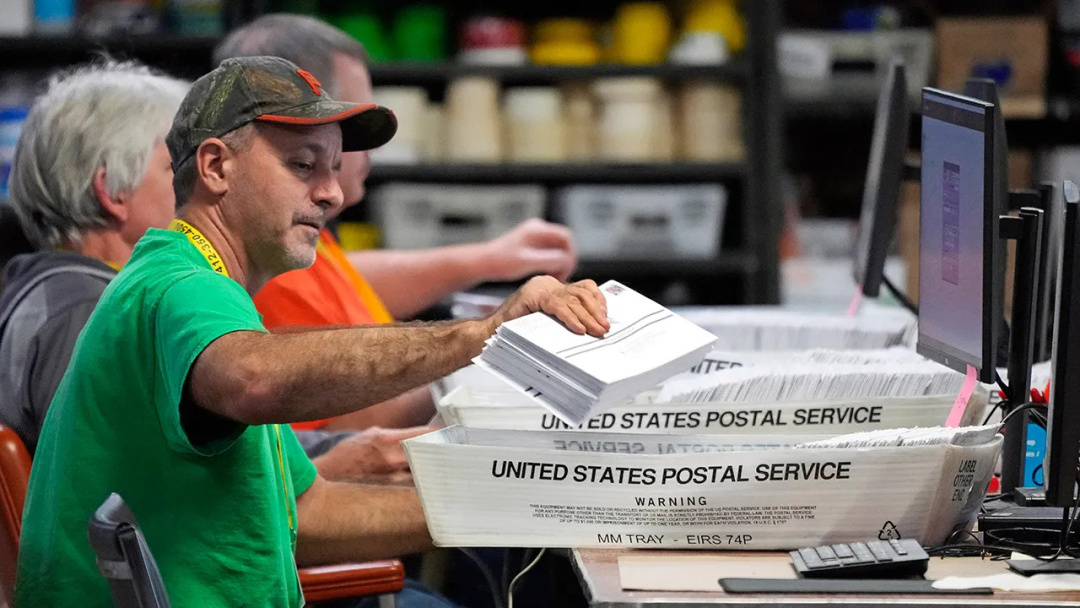
In a shocking twist of fate that nobody saw coming—except for maybe the 23 states that were already preparing for a legal battle—a federal appeals court has decided to block the Trump administration's executive order on mail-in voting. This ruling, handed down by a panel of judges who apparently missed the memo on the administration's insistence that they were merely trying to ‘protect the integrity of our elections,’ has left the White House scrambling for a Plan B, C, or possibly even D.
The order in question, Executive Order 14399, was intended to impose new voting procedures on states, all under the guise of ensuring that only U.S. citizens could vote. The irony, of course, is that the president himself seems to have forgotten that states have the primary responsibility for administering elections—a detail that Judge Indira Talwani pointed out while blocking key provisions of the order. The administration's argument that the lawsuit was premature because federal agencies had yet to finalize policies sounded about as convincing as a toddler arguing they’re not tired while refusing to take a nap.
Still Beats Watergate:
Sponsor success. Continue reading:
As the appeals court noted, states were already facing looming election deadlines, which means they had no choice but to prepare for changes that the Trump administration was trying to impose. But who needs practical governance when you can have a legal showdown? It’s almost like they’re playing a game of political chicken, waiting to see who will blink first in this high-stakes game of electoral roulette.
Of course, the Department of Justice is not one to back down easily. They’ve already indicated a willingness to take this all the way to the Supreme Court. After all, what’s a little judicial rebuke among friends? The administration seems to believe that the highest court in the land is merely a speed bump on their road to electoral domination.
Meanwhile, back at the White House, the communications team is likely scrambling to craft a message that reassures the public that their elections are safe while simultaneously preparing for the possibility of a Supreme Court showdown. Perhaps they’ll find solace in the fact that they can still hold press briefings where they can proudly claim they are ‘fighting for the integrity of our democracy’—even as courts are making it clear that their executive overreach has a shelf life.
The legal landscape is evolving rapidly, and while the administration may see themselves as valiant defenders against voter fraud, the majority of the judiciary seems to have a different view. As the saga continues, one can only hope that the next chapter involves a little less drama and a little more adherence to the Constitution. But then again, where’s the fun in that?