White House Correspondents' Dinner: A Glitzy Circus of Self-Congratulation
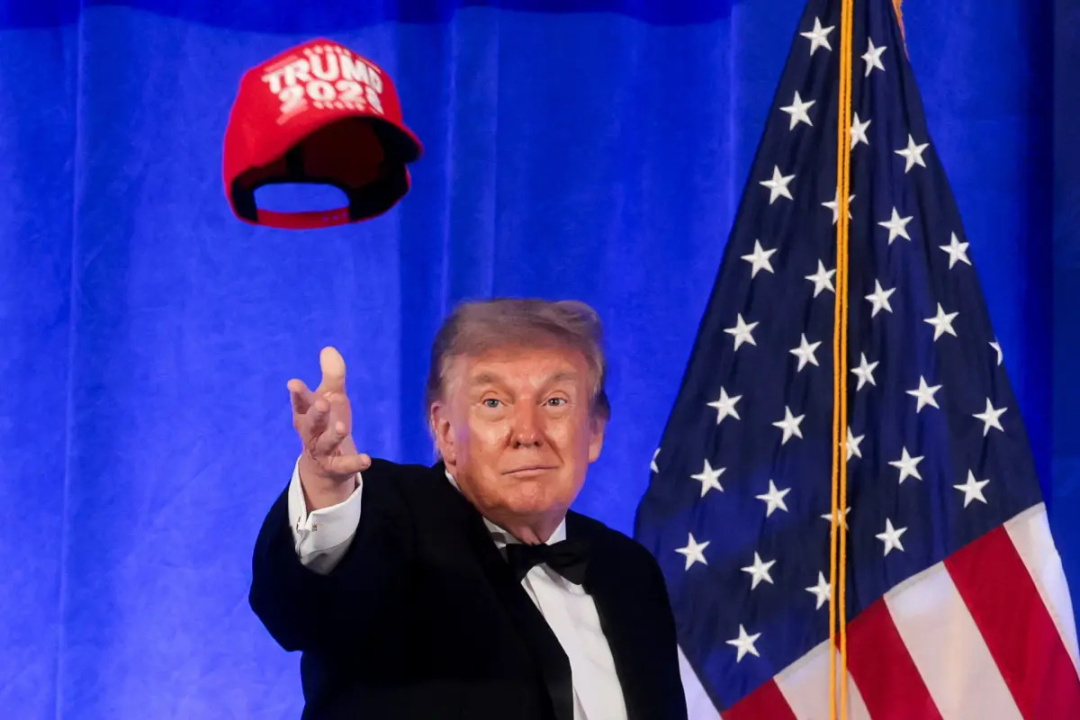
In a dazzling spectacle that could only be described as the Super Bowl of self-importance, the White House Correspondents' Dinner unfolded like a three-hour infomercial for the importance of being important. The President, donning his finest tuxedo, sauntered onto the stage, delivering an array of jokes that ranged from the mildly amusing to the cringe-inducing. It was a performance that left audiences wondering if they were watching a political dinner or a stand-up routine gone wrong.
As the President took the mic, he took it upon himself to illuminate the room with tales of triumph and tales of woe, all while showcasing his exceptional ability to talk too long. The media elite, adorned in their designer gowns and tailored suits, laughed heartily at his self-deprecating humor about their own biases, which is akin to a lion chuckling at a zebra’s jokes about being dinner.
Still Beats Watergate:
Sponsor success. Continue reading:
However, the underlying theme of the evening was less about accountability and more about the sacred ritual of mutual adoration. It was a grand display of power dynamics masked as lighthearted banter, where the press and the presidency waltzed together in a choreographed dance, each step designed to distract from the pressing issues outside the gilded walls of the event.
As the President tossed in barbs at media outlets, one couldn’t help but think that these exchanges were the equivalent of a high school lunchroom spat, where the cool kids trade insults while the rest of the student body wonders why they’re not invited to the party. In this case, the party was all about maintaining the status quo, where both sides could pat each other on the back while the world looked on in bewilderment.
The evening culminated in an elaborate dessert spread, featuring a cake that was less a dessert and more a metaphor for the administration itself—layered, overly sweet, and bound to leave a bad taste in your mouth the next day. As the plates were cleared, one could almost hear the collective sigh of relief as the attendees exited the venue, ready to return to their respective echo chambers, their heads filled with the reassuring sounds of applause and laughter.
In the end, the White House Correspondents' Dinner was a poignant reminder that when it comes to Washington, the real stories lie buried beneath layers of glitz and glamor. As the media and the administration congratulated each other on their prowess in the art of distraction, the pressing matters of governance faded into the background, overshadowed by the bright lights of the evening. And so, the cycle continues—more dinners, more jokes, and an ever-deepening chasm between the people and those who claim to represent them.