Albanese Draws Line in Sand on Telehealth Dying: No Remote Goodbyes Allowed
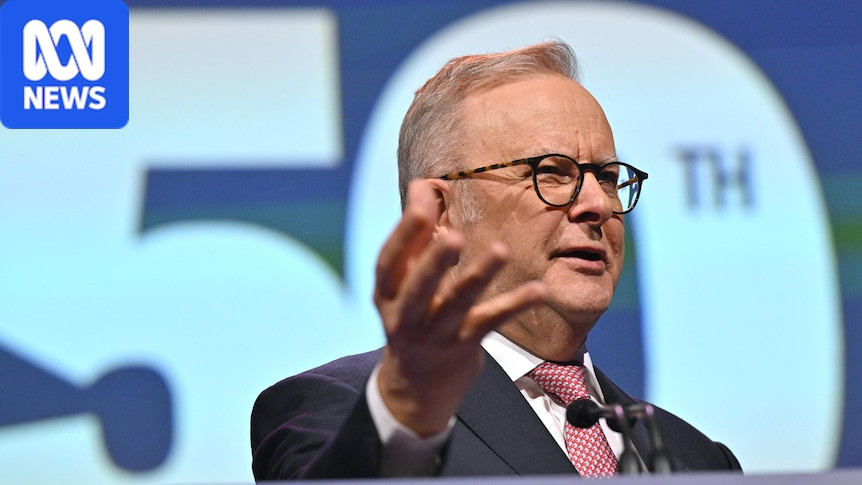
In a stunning display of bureaucratic decisiveness, Prime Minister Anthony Albanese has stepped into the murky waters of telehealth and voluntary assisted dying with all the grace of a swan on a treadmill. His recent remarks reveal that not only does he oppose the idea, but he suggests that allowing Australians to exit this life through a Zoom call might just lead to chaos—like a bad episode of a reality show where everyone is dead and nobody knows what to do next.
Albanese's apprehension comes from a deep concern that such a radical shift in healthcare would undermine the existing systems. One can only imagine the Prime Minister, furrowing his brow, pondering the terrifying implications of someone pressing 'mute' during their final farewell. What about the dignity of the dying? What happens to the solemnity of a goodbye? Clearly, these are weighty matters that require not just careful thought, but an entire task force—preferably one that meets in an office several floors above the clouds.
Still Beats Watergate:
Sponsor success. Continue reading:
As the Labor party pushes for this revolutionary telehealth option in assisted dying, the Prime Minister has taken a firm stance, akin to a parent refusing to let their child eat dessert before dinner. He seems to believe that if people can choose when to go, they might also choose to do it while wearing pajamas and eating ice cream, and that simply won’t do. It’s all about maintaining the decorum of the dying process, which apparently is best left unrecorded and unscripted.
In a memo that may or may not have been drafted on the back of a napkin, Albanese outlined a vision for health care that prioritizes in-person goodbyes over the convenience of digital exits. His logic is impeccable: why allow people to die comfortably at home when they can be shuttled to a sterile room filled with beeping machines and awkward small talk from doctors?
Moreover, the fear of a virtual death experience seems to reflect a broader anxiety among politicians about losing control over the narrative—even in death. Albanese clearly envisions a scenario in which everyone starts opting for the telehealth route, creating a chaotic new trend where the last words of a dying person could be interrupted by a call from an insurance company or, worse, a political campaign ad.
In a world where we can order food, groceries, and even pets via our phones, the Prime Minister seems to draw the line at allowing folks to check out of life without a proper bureaucratic send-off. After all, it's not just about dying; it’s about doing it the right way—with paperwork, signatures, and perhaps even a waiting period just to keep things interesting.
As the debate rages on, one thing remains clear: in the grand theater of politics, Albanese is committed to ensuring that the curtain falls in the most traditional fashion possible. So while telehealth might facilitate a lot of things, when it comes to dying, he seems to be saying it’s best to keep it face-to-face, preferably with a witness and a notary public present—because what’s a final exit without a little bureaucratic flair?