Court Blocks Trump's Election Order, Leaves States in Mail-in Chaos
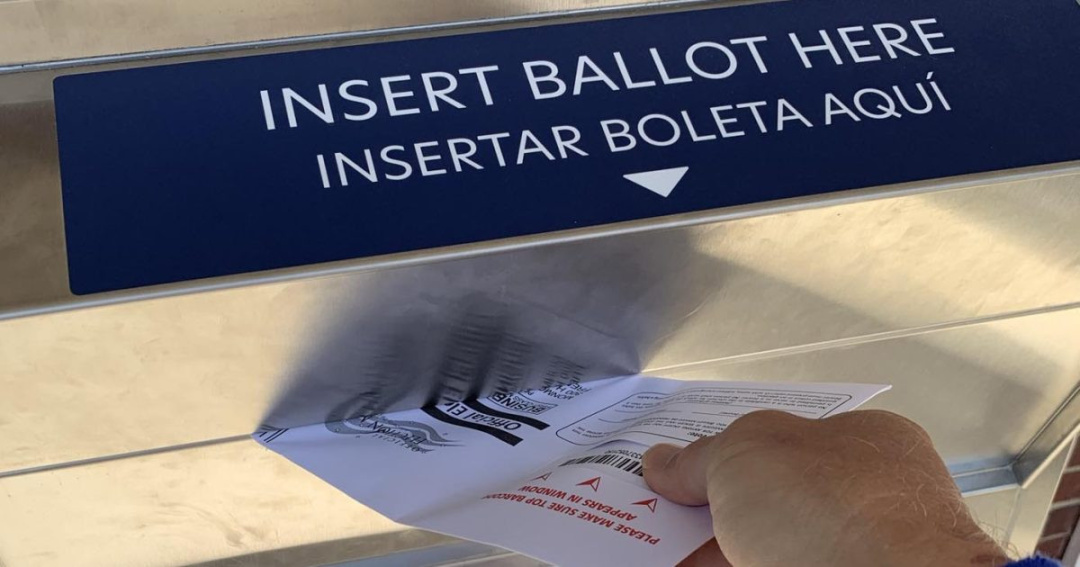
In a move that could only be described as an executive comedy of errors, the First Circuit Court of Appeals has delivered a crushing blow to the Trump administration’s ambitious plan to ensure election integrity by blocking key provisions of Executive Order 14399. This order, intended to utilize federal citizenship lists to ensure only eligible voters cast ballots, has now been rendered as useful as a chocolate teapot for 23 blue states and the District of Columbia.
The decision, which some speculate was influenced by a secret cabal of far-left activists disguised as judges, leaves the administration scrambling like a cat in a room full of rocking chairs. Trump’s team, despite their valiant attempts to claim that mail-in ballots could be safeguarded with uniquely serialized barcodes and state-provided lists, now finds themselves facing a legal quagmire that could only be rivaled by the plot of a bad daytime soap opera.
Still Beats Watergate:
Sponsor success. Continue reading:
Judges Gustavo Gelpí and Julie Rikelman, both appointed by President Biden, have ruled that the potential for states to suffer “pocketbook injuries” due to envelope costs is a legitimate concern. They also noted the possibility that election officials could face investigations for issuing ballots to non-citizens, a scenario that seems almost comically bureaucratic.
In a stunning twist, the administration had argued that the states lacked standing to sue because the DHS was merely providing information, not forcing any action. This logic, which sounds like it was lifted from a middle school debate class, didn’t hold water with the judges who instead suggested that the states should have anticipated the changes months in advance. After all, who doesn’t love a good surprise when it comes to federal election procedures?
The ruling not only blocks Trump’s plans in these jurisdictions but also raises the specter of a two-tier voting system reminiscent of a poorly designed video game where only certain players get to use the cheat codes. States that did not join the lawsuit may implement the order, while others are left to fend for themselves, creating a patchwork of election procedures that could confuse even the most seasoned poll workers.
As the Trump administration considers seeking emergency relief from the U.S. Supreme Court, one can only imagine the conversations happening in the Oval Office. “So, let me get this straight,” one advisor might say, “we’re trying to ensure election integrity by using lists that are incomplete and may confuse voters?” The laughter that follows could likely be heard echoing through the halls of power.
In a world where political theater reigns supreme, this latest ruling underscores the absurdity of trying to enforce uniform voting rules across a nation as diverse and divided as a family Thanksgiving dinner. The real question remains: can the Trump administration pivot from this setback into a coherent strategy, or will they continue to play a game of legal whack-a-mole while the clock ticks down to the next election? Only time—and perhaps a few more court rulings—will tell.