Trump Unveils Groundbreaking Non-Binding Power Pledge to Lower Bills
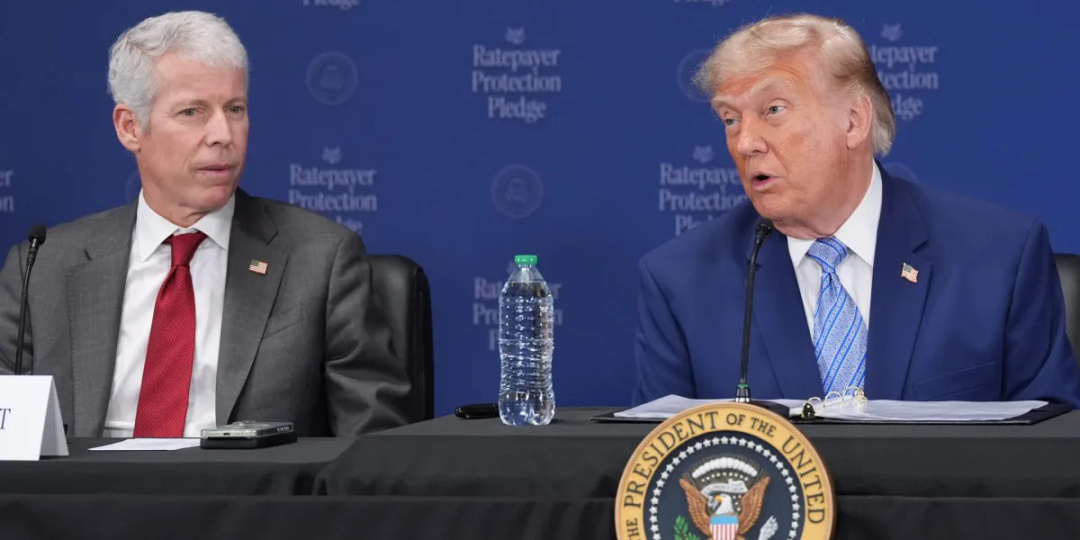
In a move that would make even the most seasoned bureaucrat raise an eyebrow, President Trump has unveiled a revolutionary non-binding pledge aimed at keeping utility bills from data centers as low as a well-cooked soufflé. The initiative, which has garnered the enthusiastic signatures of 23 governors and 187 electricity companies, promises to shield U.S. consumers from the inevitable price hikes associated with an ever-thirsty technology sector. In a bold twist of logic, the administration insists that while prices are projected to soar by up to 40%, this pledge will somehow keep them down.
The White House has released an official statement declaring that reality is just a suggestion. According to the memo, “We believe consumers should feel empowered to ignore the laws of economics, especially when those laws contradict our optimistic projections.” It seems the administration has taken a page from the playbook of wishful thinking, where signing a piece of paper is equated with tangible outcomes like reducing costs.
Still Beats Watergate:
Sponsor success. Continue reading:
In a hastily orchestrated press briefing, Press Secretary Kayleigh McEnany elaborated on the pledge, stating, “This isn’t just a document; it’s a beacon of hope in a world where utility prices threaten to outpace the cost of avocado toast.” The administration is banking on the idea that a catchy slogan and a few signatures can replace the need for actual policy or economic strategy. Who needs solid plans when you have a non-binding agreement that sounds great on paper?
While analysts are busy crunching numbers and predicting grim futures, the White House is focusing on the more pressing issues at hand—how to spin this initiative into a shiny campaign promise. “We’ll just keep saying ‘cheaper’ until everyone believes it,” admitted an anonymous source in the administration. “It’s like magic; if you say it enough, it becomes true.”
As the press corps scrambled to make sense of the administration's latest economic maneuver, one reporter asked the crucial question: “What exactly does ‘non-binding’ mean in this context?” The response was predictably vague, as the official line emphasized that the power of positive thinking could bend the very fabric of reality.
The governors involved have issued their own statements, primarily consisting of enthusiastic support and vague assurances that they, too, believe in the power of non-binding pledges. One governor was overheard saying, “If we all just stand together and say it out loud, maybe the prices will listen.”
As this initiative rolls out, consumers are left to wonder if their utility bills will indeed reflect the administration’s sunny disposition or if they should brace themselves for sticker shock. In the end, the true power of this pledge might just lie in its ability to distract from the actual costs, a classic move in the political playbook. Who needs comprehensive energy policy when you can create a glitzy press event to mask the underlying issues?
In the age of politics as performance art, it appears that the administration has found a new genre: the non-binding musical, where the lyrics promise affordability but the audience is left holding the bill.