White House Launches New Emotional Support Staff Program After Viral Smile Incident
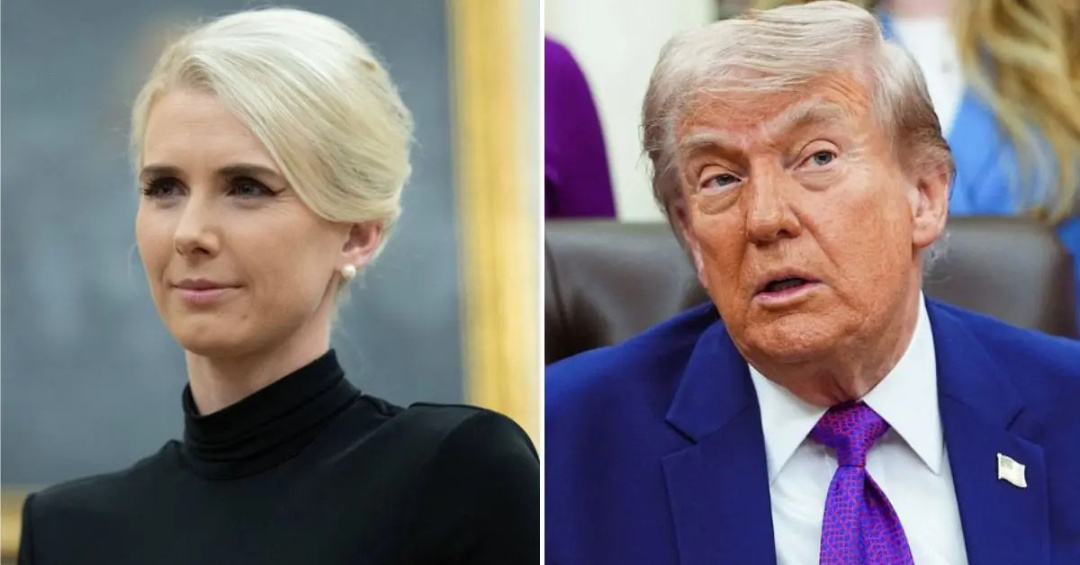
In response to the uproar surrounding Natalie Harp's unsettlingly enthusiastic grin during a recent Oval Office press event, the White House has swiftly rolled out its latest initiative: the Emotional Support Staff program. This groundbreaking effort aims to ensure that every press briefing is accompanied by at least one aide trained in the delicate balance of enthusiastic smiling and quiet, unnerving presence.
In a memo that seems to have been drafted in a hurry, officials emphasized the importance of maintaining a "positive visual environment" during public appearances. The memo reads like a twisted version of a motivational poster: "A smile a day keeps the criticism away, but a creepy grin just might get you a raise."
Still Beats Watergate:
Sponsor success. Continue reading:
Critics of the initiative have raised eyebrows, questioning if this is really what America needs at a time when substantive policy discussions are in short supply. But the administration remains steadfast in its belief that a well-placed smile can distract from the chaos of policy failures. After all, if a picture is worth a thousand words, an unsettling smile might just be worth a few million Twitter impressions.
Sources close to the program reveal that training sessions will involve aides watching horror movies to perfect their ability to deliver smiles that evoke both comfort and a touch of fear. "We want our aides to embody the essence of a benevolent ghost—always present, always smiling, but just a little unsettling," said one program designer.
As part of the rollout, aides will be equipped with portable smile kits, complete with an array of facial expressions ranging from mildly creepy to disturbingly enthusiastic. The aim is to ensure that they are always prepared to reassure the public, no matter how bizarre the presidential remarks may get.
With Harp's viral moment serving as a catalyst, the White House is clearly leaning into its reputation for theatricality. If nothing else, this initiative promises to keep the media landscape lively, as we witness aides practicing their best horror-movie smiles in the halls of power.
Critics have already begun to speculate on the implications of having staff members trained in emotional manipulation. Some have suggested that the next step could be the hiring of professional motivational speakers who can provide pep talks before each press conference, ensuring the president's remarks are wrapped in layers of positive energy, no matter how absurd the content may be.
In a world where truth is often stranger than fiction, the White House's Emotional Support Staff program seems poised to make a lasting impact—one unsettling smile at a time. As aides prepare to embrace their new roles, the American public waits with bated breath, wondering what other bizarre initiatives will emerge from the Oval Office in an effort to maintain morale during these trying times.