Trump Considers Fourth Term: A New Low in Political Comedy
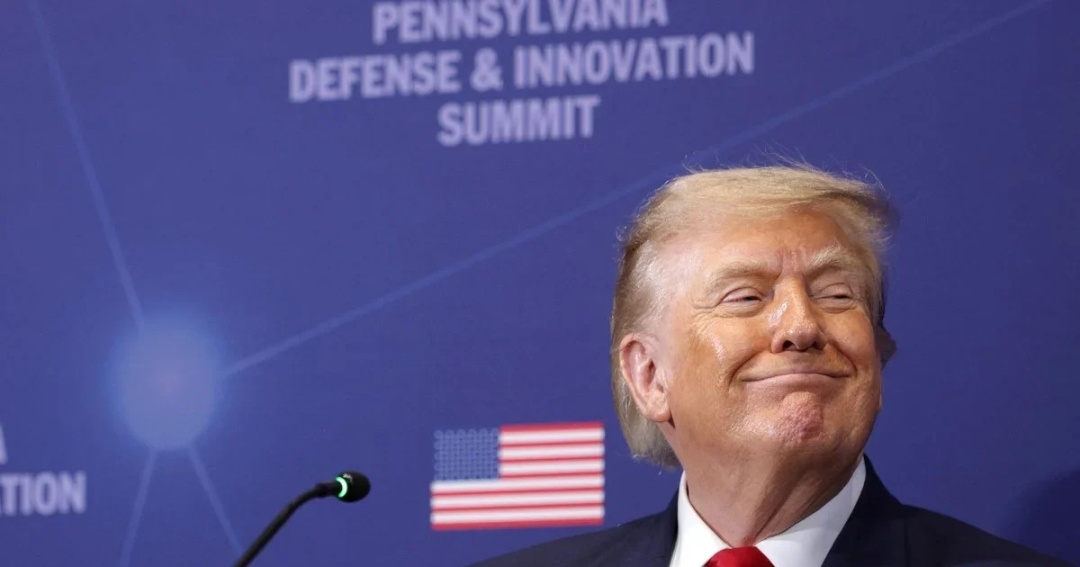
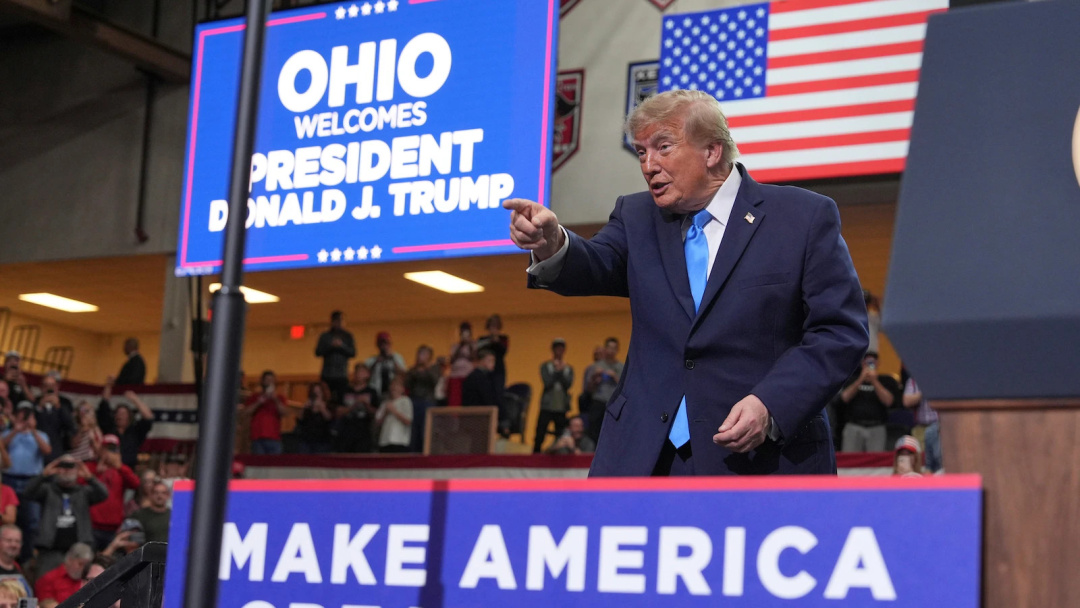
In an unprecedented show of comedic bravado, former President Donald Trump recently took to the stage at the White House Correspondents’ Dinner, jokingly proposing to seek a fourth term in office. This audacious quip has left political analysts scratching their heads and constitutional scholars rolling their eyes, as it seemingly thumbed its nose at the very laws designed to limit presidential terms. It’s as if the former leader was auditioning for a new role in a political sitcom titled "How to Lose a Presidency in Ten Jokes."
In his signature style—part stand-up, part political manifesto—Trump's light-hearted jest raised eyebrows and prompted laughter, though the real comedy might well lie in the fact that this is the same man who once suggested that the Constitution was just a suggestion. The event, which is typically reserved for the nation’s political elite to exchange barbs and banter, became a stage for Trump to showcase a brand of humor that is equal parts chaotic and confusing.
Still Beats Watergate:
Sponsor success. Continue reading:
Sources close to the former president’s team have indicated that this potential fourth term is not merely a throwaway line, but rather a campaign strategy that the Trump team is, in fact, seriously considering. Following his years of navigating political waters with the grace of a bull in a china shop, it seems he has now decided that the best way to secure a legacy is through sheer audacity. Perhaps he’s hoping that voters will simply find it amusing enough to overlook the constitutional roadblocks standing in his way.
In a climate where political rhetoric grows ever more theatrical, Trump’s latest antics fit perfectly within the trend of turning serious governance into a circus act, complete with clowns and cotton candy. The question now arises: when does a joke become a policy? And more importantly, when does a former president become a punchline?
While many are laughing, others are left wondering if this is merely a prelude to a more serious campaign. As Trump continues to blur the lines between humor and serious political intent, it raises a critical query: Is he laughing with us, or at us?
In light of this unfolding drama, the Office of Presidential Comedy—which I believe exists solely in Trump’s mind—has released a statement urging the public to consider the implications of taking such jokes lightly. Their official guidance suggests that Americans should either laugh or cry, but not both at the same time, lest they find themselves in a constitutional conundrum of comedic proportions.
As the dust settles on this latest episode of political theater, one thing remains clear: the boundaries of political ambition have never been more flexible, and the need for a robust understanding of humor within governance has never been more urgent. So, as we move forward into this new era of potential fourth terms, let us all remember to keep our sense of humor close and our constitutional limits even closer.