Campaign Strategies: How to Hit Home Runs When You’re Struggling
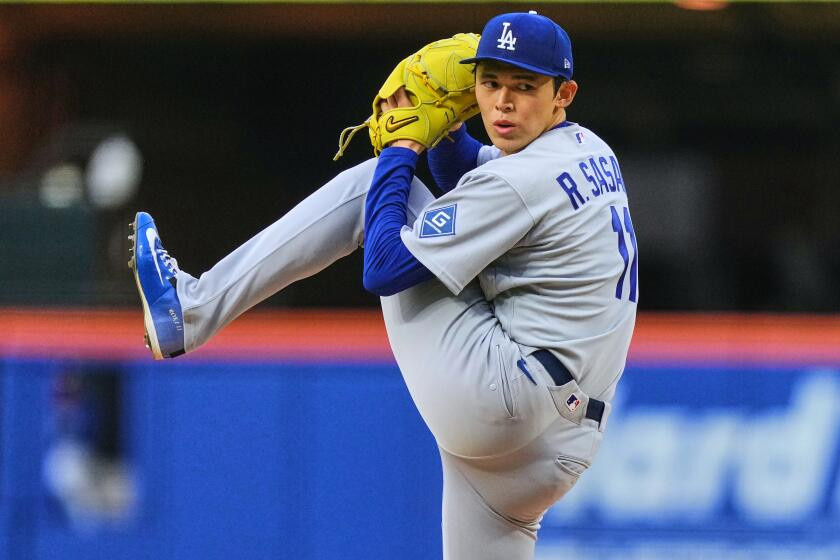
In the grand arena of political theater, where every candidate is a hopeful slugger and every debate is a ninth-inning showdown, recent events suggest that some politicians are stuck in a home run drought. They’re stepping up to the plate, swinging wildly, and often missing the ball entirely. Meanwhile, others, like the newly minted political phenom Roki Sasaki, are striking out the opposition with a dazzling combination of charisma and just the right amount of curveball strategy.
In a recent press conference that felt more like a locker room pep talk, political strategists revealed their latest playbook: how to connect with voters when your polling numbers resemble a ground ball. Apparently, the secret sauce involves a two-step plan: feign confidence while secretly hiring a consultant who knows how to read the room. This dual approach allows candidates to project an image of unfaltering optimism while quietly panicking over their dwindling support.
Still Beats Watergate:
Sponsor success. Continue reading:
It’s not just about the issues anymore; it’s about how well you can sell them. Voters want a candidate who can hit the ground running, or at least jog briskly in the right direction. This has led to a new trend in campaign messaging: the “Homerun or Bust” strategy. Candidates are encouraged to swing for the fences on social media, tossing out viral soundbites and flashy visuals, while carefully avoiding any mention of actual policy. Let’s face it, who needs a detailed healthcare plan when you can post a TikTok of yourself pretending to play the guitar?
And while some candidates, like Kyle Tucker hitting his first home run in a month, finally break through their barriers with a show-stopping moment, others are left to wonder why their moments of glory remain elusive. The answer often lies in the timing. Is it better to take the safe single or risk it all for a grand slam? In politics, you have to read the room, or at least the latest poll, before making that choice.
As campaign managers rush to update their playbooks, the message is clear: embrace the drama, capitalize on the chaos, and above all, don’t forget to smile for the cameras. The art of the campaign isn’t just about policies anymore; it’s about creating compelling narratives that distract from the fact that you may not actually have a plan. Just remember, in the game of politics, it’s better to look good while losing than to win without any style.
So as we gear up for the next election cycle, candidates are advised to channel their inner sports star. After all, the only thing worse than striking out is doing so without a flair for the dramatic. The voters are watching, and they expect a show, even if they have to wait for their favorite player to finally hit their stride again. It’s a game of patience, spectacle, and just a dash of absurdity, the perfect recipe for a campaign in the 21st century.