Tate Brothers Launch New Bureaucratic Escape Plan: A Memo from Solitary
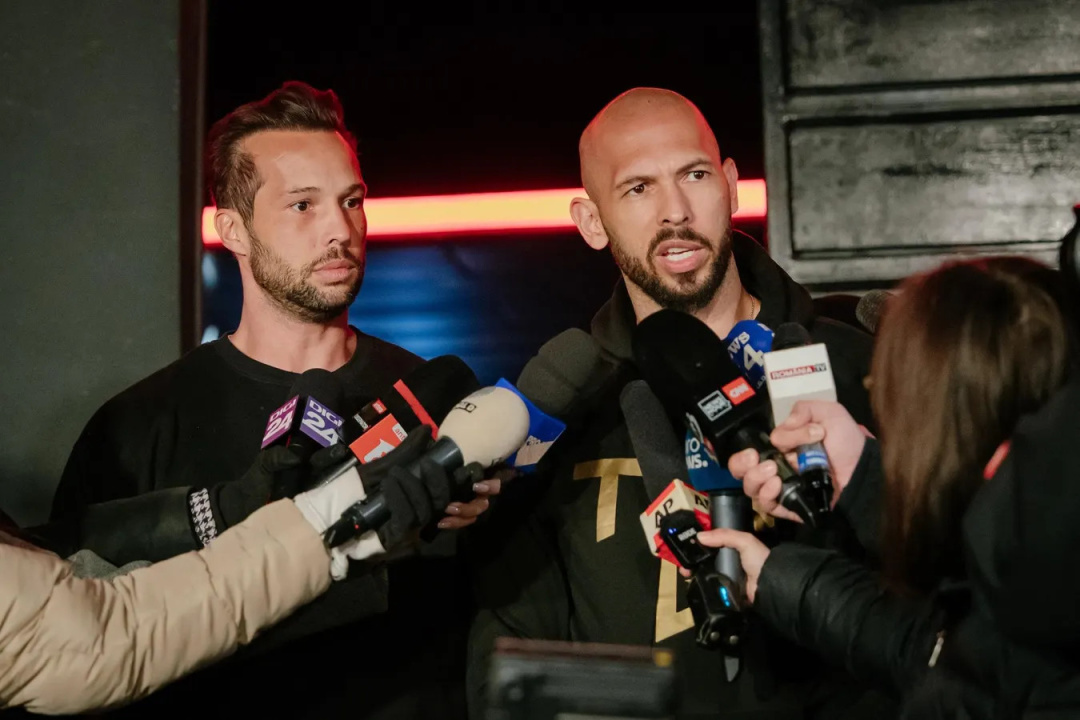
In an unprecedented legal maneuver, self-styled influencers Andrew and Tristan Tate have initiated what they are dubbing 'Operation Solitary Escape,' a bold plan that aims to navigate the labyrinthine corridors of international law while they are securely tucked away in their Florida cell. The brothers, having recently found themselves on the wrong side of the law, are not letting their incarceration stifle their creativity; instead, they are turning to the ultimate escape plan: paperwork.
Sources close to the Tates have revealed that they are currently drafting an elaborate series of memos intended to create a dizzying bureaucratic fog thick enough to confuse even the most seasoned government officials. The brothers plan to assert that their extradition is a violation of their constitutional rights, which they claim include an unalienable right to social media access and the ability to monetize their life choices—even from a prison cell.
Still Beats Watergate:
Sponsor success. Continue reading:
In a draft memo that has somehow made its way into the public eye, the duo outlines a strategy that includes invoking various obscure treaties, citing international law like it was a quote from one of their motivational speeches. They propose that extraditing them would create an international incident, akin to a diplomatic faux pas on par with serving tea at a scandalous royal wedding. Their legal team is reportedly considering a counter-suit against the U.K. for emotional distress caused by the mere existence of extradition treaties.
Meanwhile, as they prepare for their next court appearance, the Tates are also working on a public relations blitz, sending out a series of press releases titled 'The Tortured Souls of Solitary,' detailing their plight while cleverly embedding calls to action for their followers to donate to their legal defense fund. They are hoping that sympathy will translate into financial support, thus creating a new revenue stream that thrives on their misfortune.
In an unexpected twist, the Tates have enlisted the help of a former bureaucrat turned social media consultant—because who better to navigate the bureaucratic swamp than someone who has spent years swimming in it? This consultant has suggested that the Tates brand themselves as 'political prisoners' in an attempt to garner support from the most unusual of allies, including conspiracy theorists and anyone who believes that the government is simply out to get them.
As the brothers continue their battle against extradition, one can only imagine the paperwork involved in their audacious escape plan. If nothing else, it promises to be a case study in how to turn a legal nightmare into a masterclass in bureaucratic absurdity. Who knew that solitary confinement could inspire such creativity? In the end, perhaps the Tates will emerge not just as influencers but as pioneers of bureaucratic resistance, proving that even behind bars, the pen is indeed mightier than the sword—or at least more entertaining.