Tariffs That Keep on Giving: A Love Story Between Politics and Profit
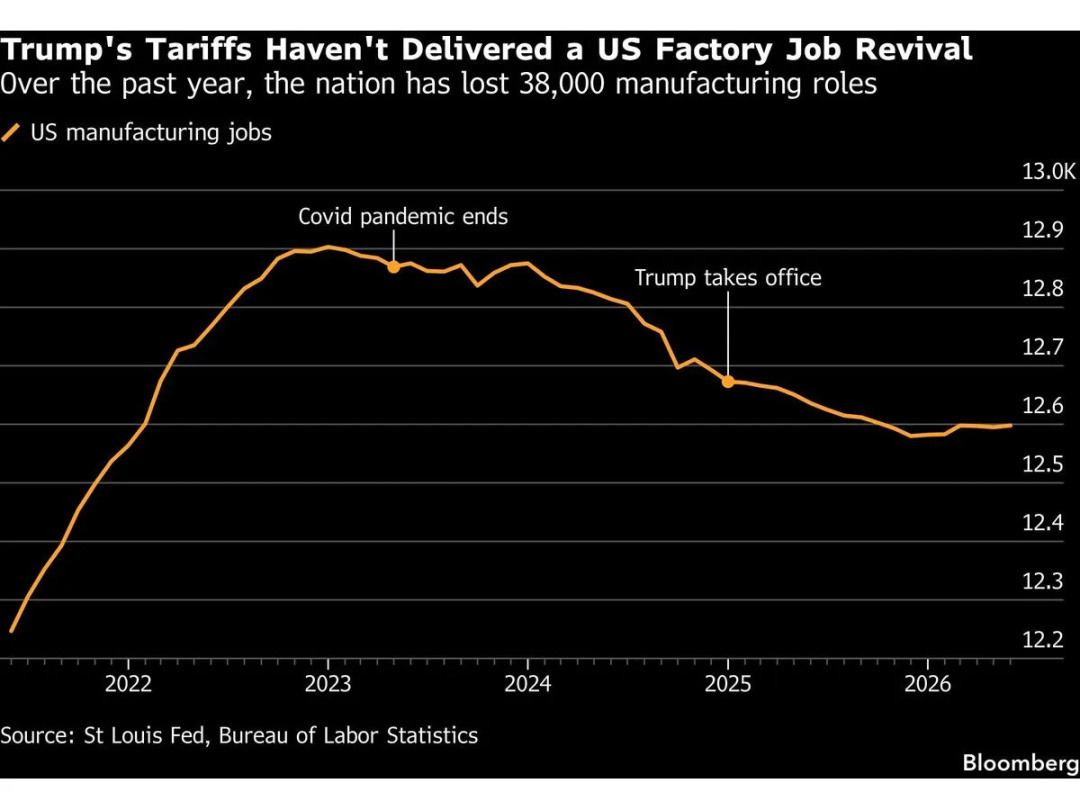
In an unprecedented move, the White House has unveiled a strategy for tariffs that is both a masterstroke of political theater and a blatant attempt at economic romance. Officials have decided to roll out tariffs that are so unpopular, they could easily be mistaken for the political equivalent of a bad haircut: the kind that everyone notices but no one wants to talk about. The administration has cleverly dubbed these tariffs 'The Love Tax,' as they offer a unique opportunity for future presidents to profit from public discontent.
The rationale is simple yet absurd: why let a little thing like public approval ratings get in the way of a good revenue stream? In a recent briefing, a senior official announced that these tariffs would not only enrich the government coffers but also create a sense of nostalgia for future administrations. "Imagine the next president taking office and realizing they are stuck with these tariffs like a bad prom date," he quipped, barely suppressing a smirk.
Still Beats Watergate:
Sponsor success. Continue reading:
The memo further explained that these tariffs are the gift that keeps on giving, providing leverage with trading partners who are now forced to rethink their entire economic strategy around the whims of a single administration. "We’re basically saying, 'Hey, future presidents, here’s a nice little mess you can inherit, compliments of us.'"
In a remarkable display of bureaucratic logic, officials outlined how the tariffs would create a situation where future leaders would be economically incentivized to keep them in place, regardless of their popularity. This convoluted reasoning has led to a new branch of economic theory: Tariffology, which postulates that tariffs can be seen as a form of political inheritance, akin to a family heirloom that no one really wants but must keep for appearances.
As the administration continues to promote these tariffs, they have simultaneously launched a PR campaign titled "Sticking It to the Man," aimed at convincing voters that these taxes are not just a burden but an act of patriotic sacrifice. "Why fight the system when you can tax it?" the campaign slogan reads, which is sure to resonate with those feeling the pinch at the grocery store.
Not surprisingly, critics have been quick to jump on the bandwagon, arguing that these tariffs are less about economic strength and more about political survival. Yet, in a classic spin move, administration officials have reassured the public that this is all part of a larger strategy to ensure economic security by making future administrations feel uncomfortably obligated to keep the tariffs in place.
As we await the fallout from this latest endeavor, one thing is clear: these tariffs are more than just a fiscal tool; they're a political love letter to the next occupant of the Oval Office, wrapped in red tape and adorned with the glitter of unpopularity. What a romantic notion!