Trump's Sleepy Show at the Correspondents' Dinner: A Case Study in Executive Naptime
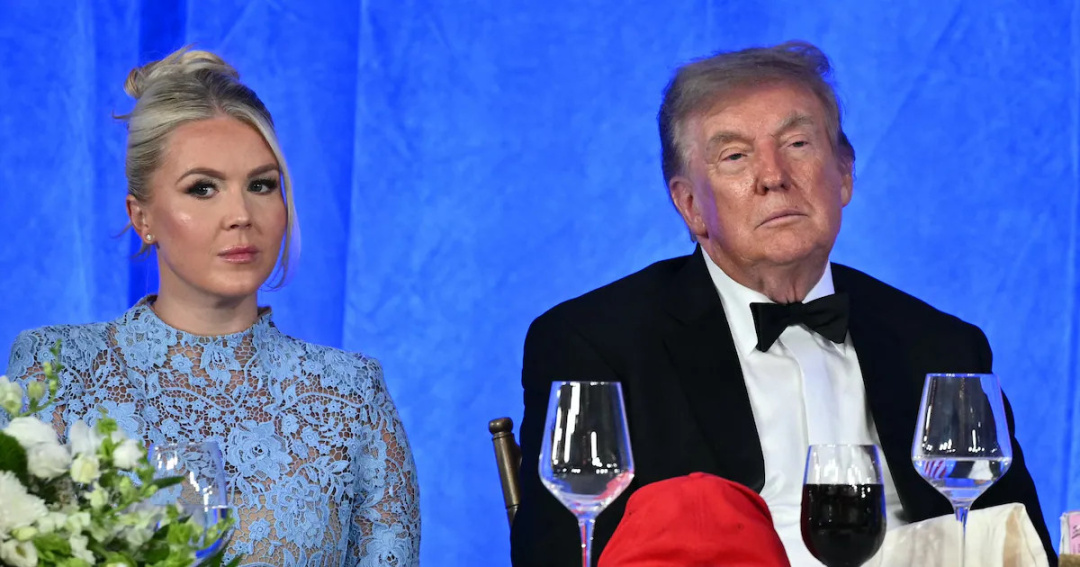
In a dazzling display of executive energy, President Donald Trump, at the ripe age of 80, transformed the White House Correspondents' Dinner into an unintentional comedy of errors, complete with extended eyelids and a palpable lack of enthusiasm. As he presided over a banquet celebrating the press, attendees were treated to the rare spectacle of the Commander-in-Chief seemingly struggling to keep his peepers open, offering a fresh definition of ‘executive naptime’.
The evening began with a video roast that poked fun at Trump’s very existence in the political arena, emphasizing the absurdity of a country still believing in press freedom while hosting a man who has spent years denouncing the media as the enemy. Amidst chuckles and cringes, the video laid the groundwork for an evening that would soon have the energy of a damp sponge.
Still Beats Watergate:
Sponsor success. Continue reading:
As Trump took the stage, he quickly pivoted from jest to a peculiar blend of self-congratulation and awkward jabs. One highlight of the night was his suggestion to rename the dinner after himself—because nothing says humility quite like a man proposing to immortalize his name on a gala dedicated to the freedom of speech. “Next year, let’s call it the Trump White House Correspondents' Dinner,” he proclaimed, eliciting a response that can only be described as a combination of stunned silence and the sound of crickets contemplating their life choices.
The event, stripped of its usual glamour and glitz, was a mere shadow of its former self, with only 700 guests crammed into the Waldorf Astoria instead of the usual 2,500. Security was tight, with barriers and police presence that suggested the real star of the night was not the President or the press, but the fear of potential chaos lurking just outside the building.
As Trump delivered his speech, he blended his signature humor with uncomfortable personal attacks. His remarks about CNN's Kaitlan Collins, whom he referred to as a “young attractive woman” who “never smiles,” fell flatter than the beef tenderloin served at the dinner. With all the grace of a hippo on a unicycle, he suggested she should be happier at her “fake news” job—a sentiment that was met with a collective eye roll, punctuated by the sound of journalists furiously typing their critiques.
The highlight of the evening, however, was Trump’s jest about his own Cabinet. He managed to insult Health Secretary Robert F. Kennedy Jr. while casually mentioning that the Cabinet member once dumped a dead bear in Central Park. The sheer absurdity of this remark showcased a man who has, for better or worse, mastered the art of political theater, even if it sometimes comes off as a tragicomedy.
As the evening wore on and the President’s eyelids began their descent, the realization dawned on the audience: this dinner was less about celebrating press freedom and more about the bizarre reality of a man who, despite being at the helm of the nation, seemed more interested in catching some Zs than engaging with the very journalists he so often derides. If only the press could find a way to bottle his sleepiness—then perhaps they’d finally have a story worth telling.
In the end, as Trump wrapped up his performance with a nod to his own resilience, it was clear that while the event may have been a nod to democracy, it was also a poignant reminder that sometimes, the biggest spectacle in Washington is simply a man trying to stay awake while doing his job.