Trump's Roast of the Fourth Estate: A Comedy of Errors
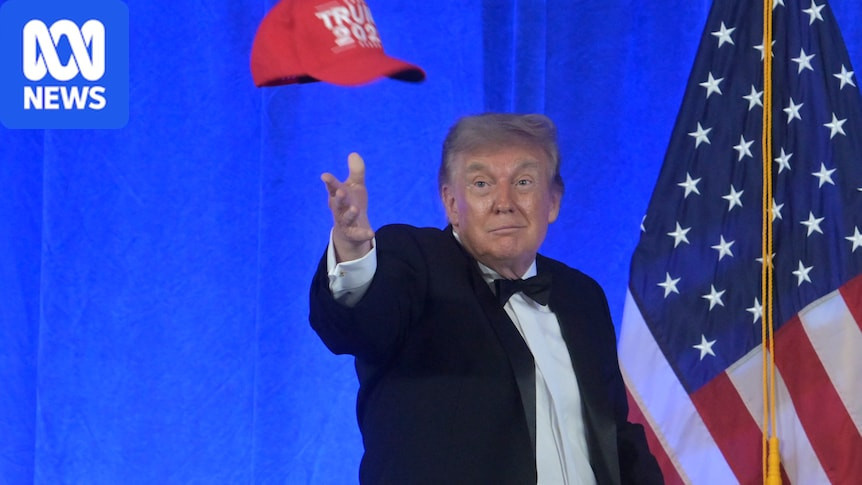
In an unprecedented move that can only be described as both bold and bewildering, President Trump decided to re-stage the White House Correspondents' Dinner, a gathering traditionally known for its razor-sharp wit and awkward silences. This time, however, it was less about honoring press freedom and more about turning the press into a piñata for comedic sport. It seems the administration has finally found a way to tackle the ‘fake news’ epidemic: by simply laughing it off.
Dressed in his finest ‘I’m serious, really’ suit, the president took to the mic with the confidence of a man who knows he hasn’t read the news in years. His jokes, which were less of a roast and more of a slow cook, included barbs aimed at journalists who dared question his administration. “You all are like my golf game,” he quipped, “always in the rough!” The audience, comprised largely of journalists who had spent the last few years being ripped apart by Trump’s Twitter fingers, laughed nervously, unsure if they were meant to appreciate the humor or start taking notes for their next articles.
Still Beats Watergate:
Sponsor success. Continue reading:
The correspondence dinner, once a celebration of press freedom, has now morphed into a bizarre theater of the absurd, where the president can poke fun at the very institution meant to hold him accountable. Amidst the laughter, one might wonder if the administration’s strategy is simply to distract the public from the more pressing issues at hand—like, say, actual governance. After all, why deal with policy when you can just throw a gala and make fun of the people trying to report on your latest blunders?
As the night progressed, the atmosphere shifted from joviality to an unsettling realization: the jokes were not just funny; they were a calculated performance designed to undermine the credibility of the press. “We love the press,” Trump proclaimed, “as long as they’re saying nice things about us.” It was a statement that left many wondering if the First Amendment had been replaced with a punchline.
In a twist worthy of a sitcom finale, the president’s remarks took a turn toward the surreal as he began to outline the new administration policy on press relations: “If you report something I don’t like, I’ll just assume it’s a skit. And if I don’t like the skit, I’ll just cancel the show.” The audience chuckled, perhaps out of fear that a lack of laughter might lead to a Twitter tirade.
As the evening concluded, one thing was clear: the White House Correspondents' Dinner is no longer a celebration of journalistic integrity but a stage for the administration to redefine the narrative in their favor, one laugh at a time. The irony of the situation was palpable, as the press, meant to be the watchdogs of democracy, were left to grapple with the reality that the biggest joke of all might just be the very institution they once held sacred.
In the end, Trump’s roast was less about humor and more about power—a reminder that in the world of politics, the punchlines may be scripted, but the consequences are very real.