Healthcare Fraud Recovery: A Comedy of Errors at the HHS
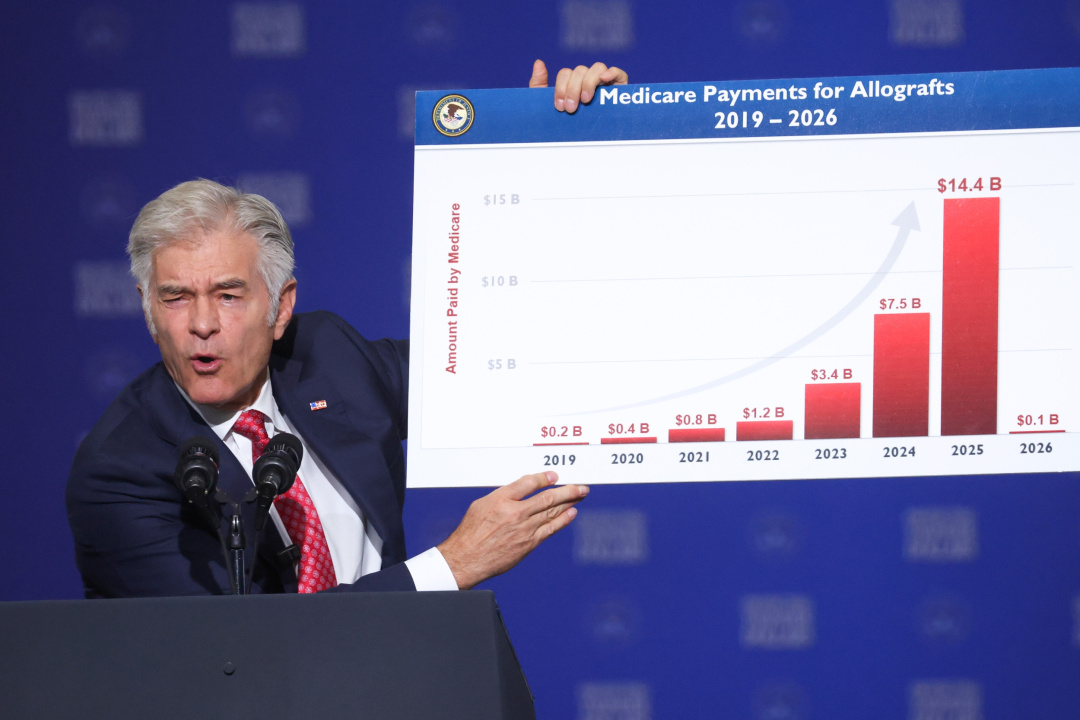
In an unprecedented performance that can only be described as the bureaucratic equivalent of a magic show, the Department of Health and Human Services has revealed that it successfully recovered $5.56 billion in healthcare fraud and promptly banned over 1,200 Medicare providers from participating in the program. Clearly, the administration has decided that if you can’t dazzle them with brilliance, baffle them with sheer numbers.
The report, which reads like a mix of a corporate earnings call and a soap opera, illustrates the HHS's commitment to making healthcare fraud a thing of the past, or at least a mildly entertaining anecdote. With a recovery figure that sounds more like a lottery win than a government operation, one can only wonder if the agency celebrated by throwing a lavish party with confetti shaped like dollar bills. After all, nothing says "we care about your health" quite like a fiscal windfall.
Still Beats Watergate:
Sponsor success. Continue reading:
Of course, the ban on 1,212 healthcare providers raises an interesting question: what does one have to do to get banned from Medicare? It seems that the bar for exclusion might be lower than the standards for a reality TV show contestant. Perhaps these providers simply didn’t know the secret handshake or failed to submit their applications in crayon. The HHS has yet to release details on what constitutes fraudulent activity, but the anticipation is palpable.
Meanwhile, the agency has issued a statement asserting that their rigorous investigations are "transforming the healthcare landscape," which, if true, makes one ponder what kind of landscape involves thousands of providers being thrown off a cliff for suspected fraud. Maybe they can create a new reality show called "Survivor: Healthcare Edition," where the last provider standing wins the right to bill Medicare.
In a world where the phrase "to err is human" seems to apply to every agency but the HHS, the public is left to marvel at how the government can simultaneously recover vast sums of money while also managing to exclude a staggering number of providers. It feels like they have unwittingly created a new form of extreme sports: bureaucratic exclusion at its finest.
As the HHS continues its valiant crusade against fraud, we can only hope that their methods do not include elaborate charades or interpretive dance routines. After all, nothing instills confidence in the healthcare system quite like a government agency performing a choreographed number about fraud recovery. The next time you hear about billions being recovered, just remember that behind every figure lies a bureaucratic comedy waiting to unfold.