Trump Administration Announces New Grant Eligibility Based on Voting Patterns
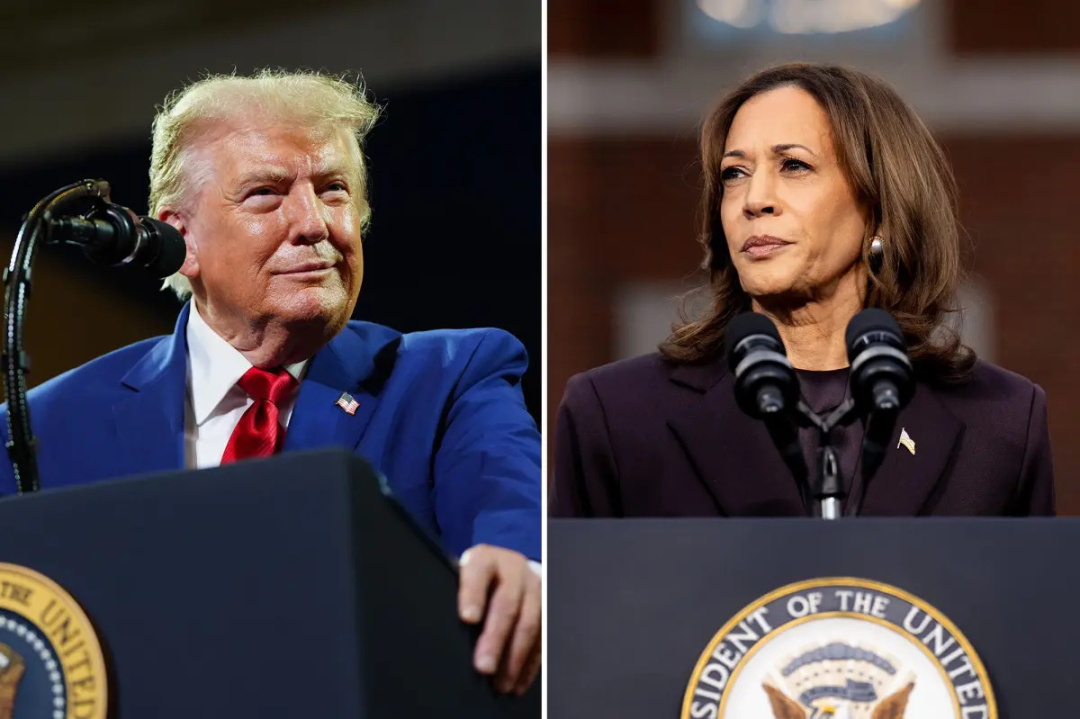
In an unprecedented display of executive innovation, the Trump administration has officially announced that federal grants will now be allocated based on the political allegiance of the states involved. This new policy, dubbed "The Loyalty Funding Initiative," promises to streamline the distribution of vital grants to those regions that have demonstrated their unwavering support for the administration's agenda, particularly those that cast their ballots for Kamala Harris.
During a recent press briefing, a spokesperson, probably wearing a cap that read "Make Grants Great Again," explained that the administration had simply "cut the fat" from the list of over 600 clean energy project grants, eliminating any funding to states that dared to express dissent through their votes. "Why waste taxpayer money on states that don’t appreciate the generosity of our glorious leader?" they quipped, as if reading from a script written by a very enthusiastic intern.
Still Beats Watergate:
Sponsor success. Continue reading:
The memo outlining this new grant eligibility criteria was filled with phrases like "patriotic duty" and "electoral accountability," suggesting that states can now expect a thorough review of their voting records before receiving any federal assistance. The administration is reportedly working on a new algorithm to calculate the "Loyalty Quotient," which will determine a state's funding based on how much they have publicly praised the administration's policies, with bonus points for social media shout-outs.
Critics of the initiative have quickly labeled it as a blatant misuse of power, but the administration has countered these claims with a robust defense. "If you have a problem with this policy, you clearly don’t understand how politics works," a senior official stated, dismissing concerns as irrelevant noise from those who simply don’t get it. It’s not just politics, they insisted; it’s a matter of survival for those states that wish to remain in the good graces of their federal overlords.
As the announcement reverberates through the political arena, states that did not vote for the administration are left scrambling, pondering whether to start a campaign to rebrand their political identity or simply to accept their new roles as financial pariahs. Economic analysts have speculated that this could lead to a new trend of states engaging in strategic voting, where political parties not only campaign for votes but also for future federal funding, akin to students vying for extra credit in a class they’re already failing.
As the program rolls out, it will be fascinating to observe how states adapt to this new reality. Will they start holding bake sales in support of the administration? Perhaps they'll launch coordinated social media campaigns featuring hashtags like #FundMyState or #YourVoteMattersButOnlyIfYouVoteRight. One thing is for certain: the landscape of federal funding is about to get a whole lot more colorful, and not in the way that would be approved by the Department of Education.