Paramount's Legal Game: A Dance of Delays and Ticking Time Bombs
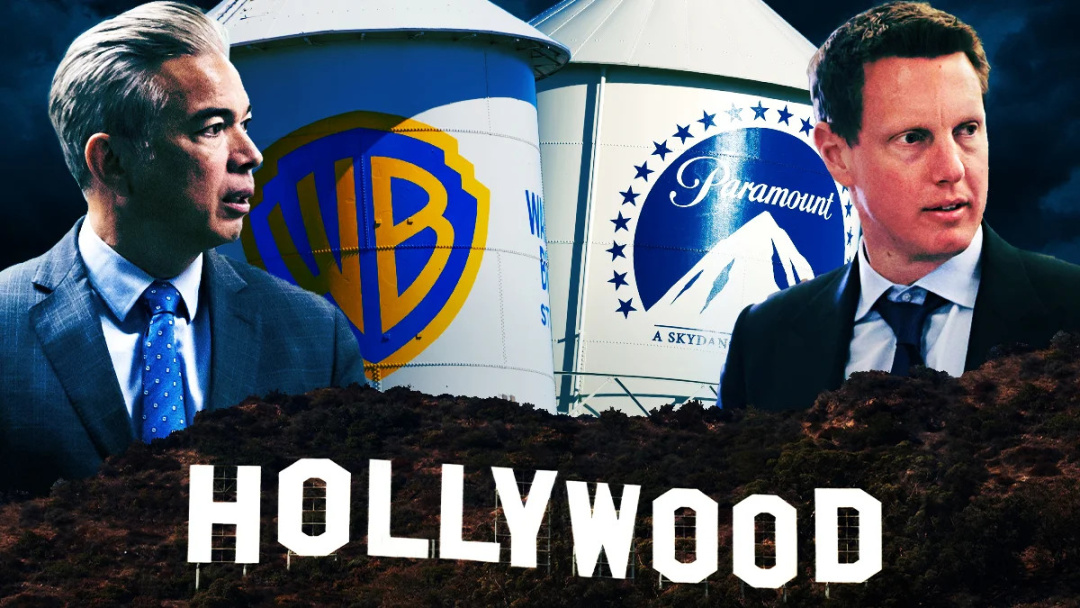
Just when you thought the merger between Paramount and Warner Bros. Discovery couldn’t get any more convoluted, the curtain rises on a new chapter in this legal saga: the delay. Yes, you heard it right. Paramount, in a move that can only be described as a high-stakes game of corporate chicken, has decided to postpone its $110 billion acquisition long enough to make you question if they’re really just auditioning for a role in a legal thriller. Picture this: a courtroom drama where the protagonists are corporate lawyers dodging ticking fees like they’re landmines in a war zone.
The latest twist came when Paramount announced it would not close the deal until five days after the outcome of an antitrust trial, or as they like to say, “whichever comes first.” This bold strategy is not so much a retreat as it is a tactical maneuver, akin to a chess player sacrificing a pawn to protect their queen. With a $7 million-per-day ticking fee looming, Paramount’s decision to delay the merger seems less about compliance and more about trying to fast-track their way to victory before the financial clock runs out.
Still Beats Watergate:
Sponsor success. Continue reading:
To the untrained eye, this might look like capitulation to state attorneys general and the Writers Guild of America, who have been throwing legal spaghetti at the wall to see what sticks. However, insiders reveal that this is actually a masterclass in legal brinkmanship. By skipping the procedural niceties, Paramount aims to fast-track the trial process, lest they be buried under a mountain of fees that would make even the most seasoned corporate accountant weep.
The irony here is palpable. Paramount claims this is all about competition and consumer benefits, but let’s be real: it’s about cutting losses before they spiral out of control. With the prospect of paying out hundreds of millions in ticking fees if things drag out, their lawyers are undoubtedly working overtime to convince the court that merging two media giants is the best thing since sliced bread.
Meanwhile, the opposition is getting ready for a showdown, armed with arguments that sound less like legal reasoning and more like a rallying cry against corporate greed. California Attorney General Rob Bonta has made it clear that they view this merger not as a triumph of business acumen but as a potential threat to democracy and creative freedom. If this were a movie, Bonta would be the hero fighting against the corporate villains, cape and all.
As Paramount navigates this minefield, it’s evident that the stakes are high. If they lose this legal battle, they risk not just the merger but also a potential $7 billion break-up fee, which sounds like a plot twist straight out of a dark comedy. The real question is whether they’ll emerge victorious or simply add another chapter to the bloated saga of corporate mergers that never quite make it to the finish line.
In the end, it’s a classic case of corporate theater where the audience is left on the edge of their seats, unsure whether to cheer for the protagonists or boo the antagonists. But one thing is clear: the next act in this play will be just as dramatic, and we’ll all be watching to see who takes the stage next. Will it be justice, or just another day in corporate paradise? Stay tuned.