International Criminal Court Announces New Role for Chief Prosecutor: Chief Misconduct Officer
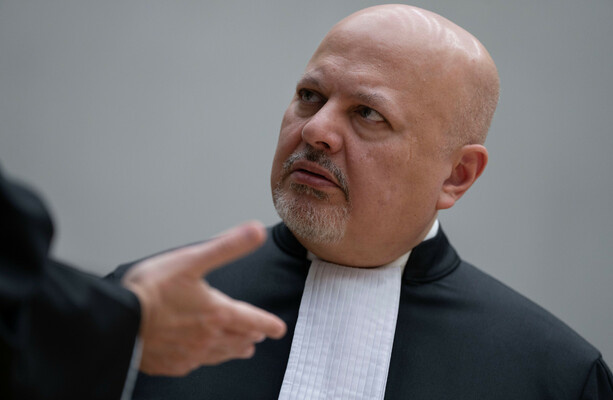
In a stunning display of bureaucratic theater, the International Criminal Court has decided to reposition its recently ousted chief prosecutor, Karim Khan, into a newly created role: Chief Misconduct Officer. This innovative title is designed to ensure that the court can now investigate misconduct allegations with the utmost irony, as the very person responsible for prosecuting such offenses is now in charge of overseeing them—talk about putting the fox in charge of the henhouse.
Khan's tenure was marked by a series of unfortunate allegations of sexual misconduct, which he has categorically denied, claiming they are part of a vast conspiracy orchestrated by disgruntled interns and ungrateful aides. Nevertheless, the ICC, in what can only be described as a move worthy of a Shakespearean play, has decided that Khan's experience in navigating the murky waters of legal accountability makes him the perfect candidate for this new role.
Still Beats Watergate:
Sponsor success. Continue reading:
In a press briefing that was more choreographed than a Broadway musical, an ICC spokesperson stated, "We believe this appointment will not only bring a wealth of experience to our investigations but will also serve as an excellent example of how we take allegations seriously—by promoting the accused to a position where he can monitor future allegations. It's a win-win!" This commitment to accountability is sure to send shockwaves through the legal community, as other organizations scramble to find ways to better manage their own misconduct allegations through similar strategies.
Notably, the court has also launched a new initiative called 'Deny and Delegate,' which encourages officials to pass on their troubles while maintaining a veneer of ethical conduct. This move is expected to revolutionize the approach to handling misconduct—because nothing says integrity quite like having the accused manage the investigation into themselves.
As Khan steps into his new role, experts are already speculating about his first course of action. Rumors suggest he may implement a series of workshops on how to deny allegations effectively while maintaining an air of professionalism. His prior experience in facing down allegations will surely serve him well, as he can now teach others how to navigate similar situations with the finesse of a seasoned diplomat.
Critics have raised eyebrows at this unprecedented move, questioning the logic behind appointing someone with such a checkered past to oversee misconduct protocols. However, in an age where irony reigns supreme in the corridors of power, perhaps this is just another day in the world of international law, where the absurd is the new normal and responsibility is merely a suggestion. As the ICC prepares to unveil its new misconduct training program, one can only wonder how many more unexpected twists lie ahead in this ongoing saga of accountability.