Venezuela Exits International Criminal Court: A Masterclass in Political Theater
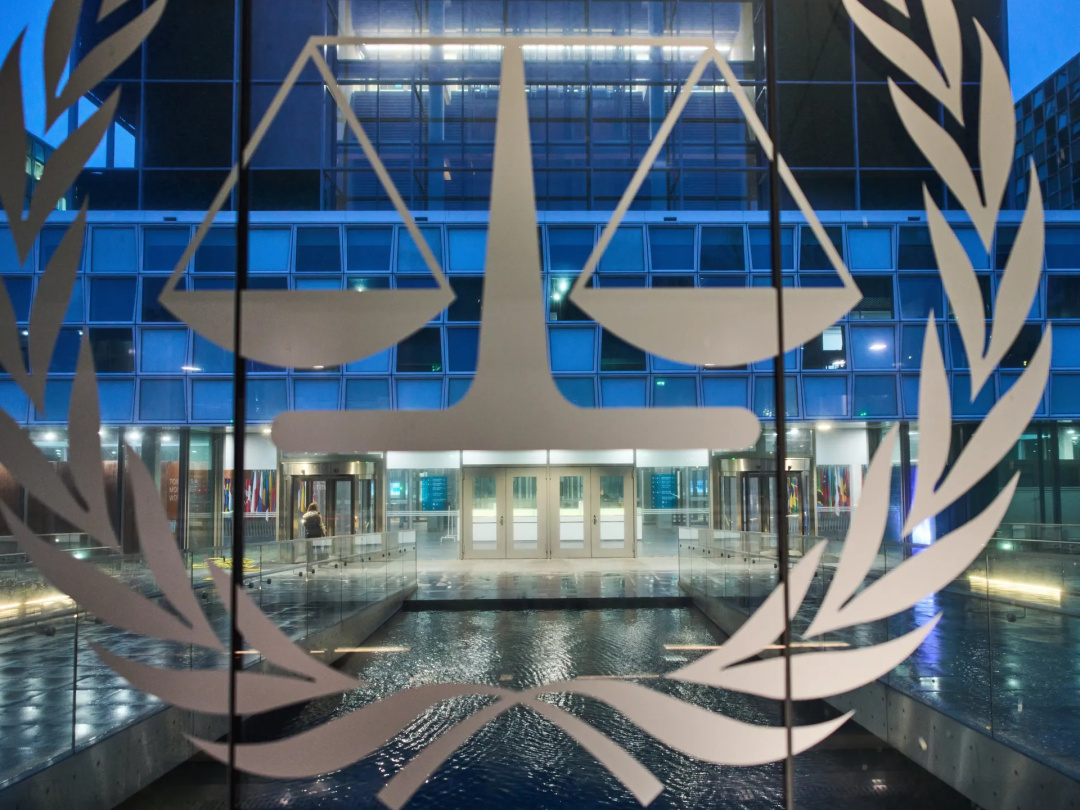
Venezuela has officially declared its withdrawal from the International Criminal Court, claiming that the court displays a geographical bias that penalizes countries in the Global South. This announcement was made with all the gravitas of a soap opera cliffhanger, as Foreign Minister Felix Plasencia took to social media to proclaim the decision as ‘irrevocable.’ One can only imagine the dramatic music playing in the background as he typed away, probably with a cup of coffee in one hand and a script for the next political drama in the other.
The timing of this announcement is exquisite, as it comes right after a notable shift in Venezuela's foreign policy, which now seems to mirror that of the United States. With interim President Delcy Rodriguez steering the ship, the country has turned its back on the ICC like a politician dodging a question about their tax returns. Rodriguez's alignment with U.S. policies, particularly those designed to ‘disable’ the ICC, has left many bewildered. It’s almost as if Venezuela is auditioning for a reality show called ‘Survivor: International Relations.’
Still Beats Watergate:
Sponsor success. Continue reading:
Plasencia’s remarks about the ICC reveal a keen understanding of irony. He stated that the court’s focus on African and Latin American nations illustrates a pattern of injustice. This from a government that has been accused of various human rights violations—talk about throwing stones from glass houses. Perhaps the Venezuelan government has decided that if it can’t play the game, it might as well change the rules entirely, or better yet, leave the game altogether.
The ICC has been criticized for its selective enforcement, often perceived to target leaders from the Global South while giving a free pass to Western officials. But Venezuela’s decision to exit feels like a classic case of misdirection. By accusing the ICC of bias, they deftly shift the spotlight away from their own actions. It’s a political strategy that would make even the most seasoned magician proud.
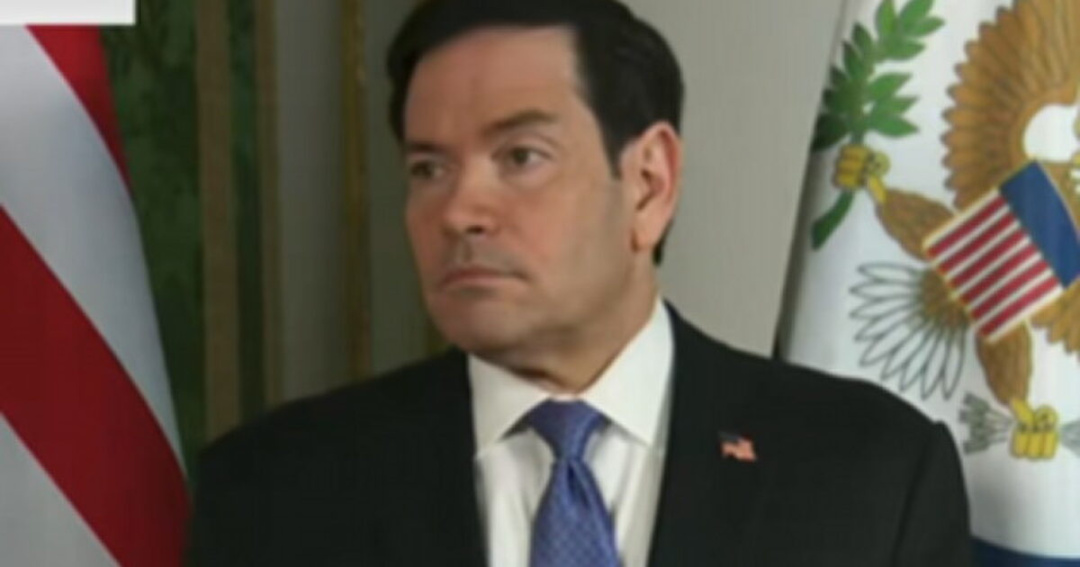
Meanwhile, U.S. Secretary of State Marco Rubio recently characterized the ICC’s actions as a war against America—not with traditional weapons but with legalese and international statutes. This declaration sounds suspiciously like the plot of a B-movie where the heroes must battle against an evil organization armed with nothing but paperwork. In this scenario, Venezuela has chosen to ally itself with the U.S. in this epic fight against the perceived tyranny of international law.
As the curtain falls on this latest act of political theater, one can only wonder what’s next. Will Venezuela’s government issue a reality show starring its leaders as they navigate the treacherous waters of international law and diplomacy? Or will they simply continue to exit institutions one by one, ultimately creating a new form of political solitude? Whatever the outcome, this latest move guarantees that the world will be watching—popcorn in hand, of course.