ICC's 'Prosecutor of the Year' Award Goes to... No One
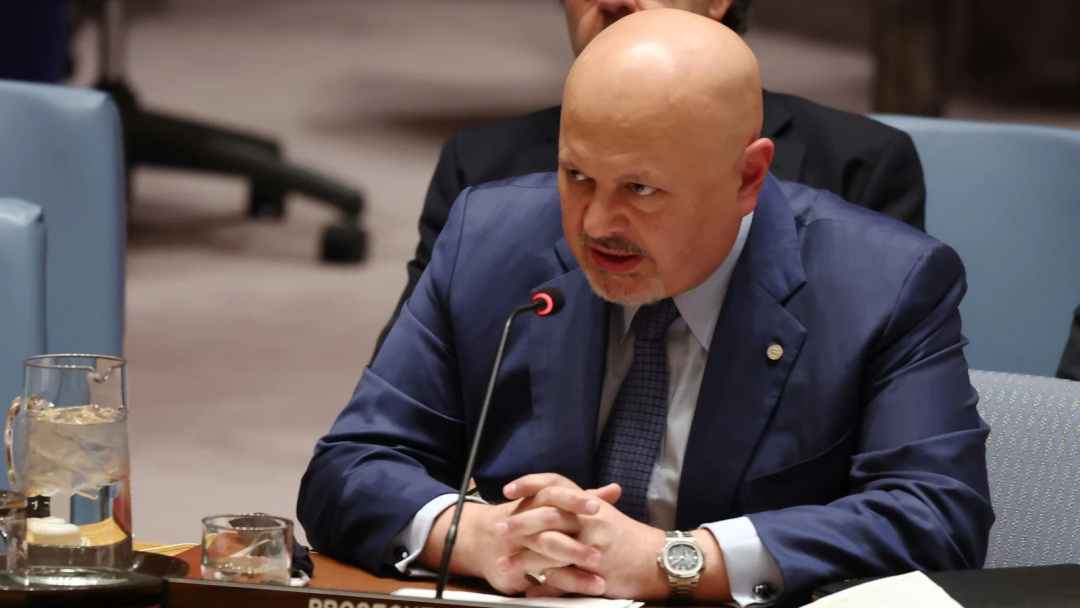
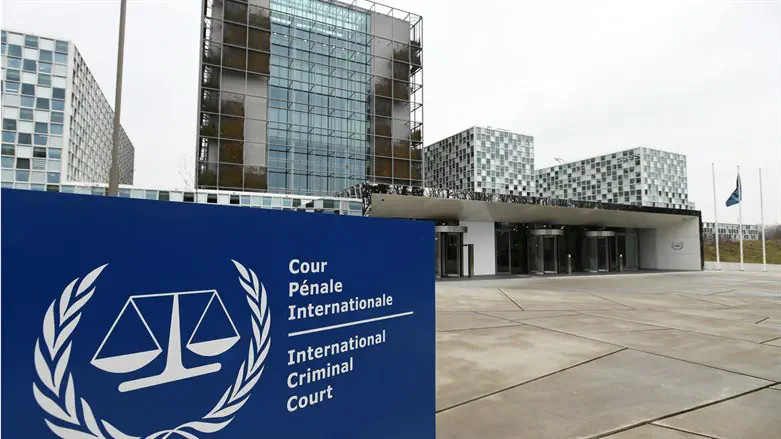
In what can only be described as an unprecedented episode of courtroom drama, the International Criminal Court has officially voted to dismiss its own prosecutor, Karim Khan, sending shockwaves that could be felt all the way to the Hague. The vote, which involved 82 of 125 member states, has been hailed as a monumental moment for international justice—or perhaps just a really expensive game of bureaucratic musical chairs. With only 13 states supporting Khan's continued tenure, the message is clear: when it comes to allegations of misconduct, the court prefers to keep its distance and let him take the fall alone.
Khan's dismissal comes on the heels of serious allegations made by a former colleague, who has claimed that their professional relationship escalated into something decidedly less consensual. Reports suggest that Khan, who has been the face of some high-profile cases, including warrants against Israeli officials, may have found the weight of his office too heavy to bear, or perhaps it was the weight of his own ego. Regardless, the court's assembly chair, Paivi Kaukoranta, has emphasized the importance of discretion in handling this 'complex and sensitive disciplinary matter.' Translation: let's not make a scandal out of a scandal.
Still Beats Watergate:
Sponsor success. Continue reading:
While Khan’s attorneys have penned an open letter insisting on his innocence—because nothing screams credibility like an attorney's letter—they also raised concerns that this vote could jeopardize the independence of future prosecutors. It seems that in the world of international law, the only thing more fragile than a prosecutor's reputation is the concept of accountability. Who knew that dismissing a prosecutor over serious allegations could actually endanger the very fabric of justice?
Not to be outdone, the Israeli foreign minister chimed in, claiming Khan's removal was long overdue. It appears that in the tangled web of international politics, every dismissal is just another opportunity for a PR stunt. Meanwhile, Khan's defenders are left wondering if the ICC will ever find a prosecutor brave enough to take on cases that might actually matter, or if they will all be too busy dodging potential scandals.
As the dust settles on this bizarre episode, one can’t help but wonder: is this the end of the ICC's credibility or merely the beginning of its next spectacle? Perhaps future prosecutors should come equipped with a good lawyer and a healthy dose of skepticism. After all, in this theater of the absurd, the curtain might drop at any moment, leaving everyone scrambling for the exit—or at least a good spin doctor.
In the end, the ICC might want to consider a new strategy: the next prosecutor should be a diplomat with a PhD in public relations, or better yet, someone with a proven track record in avoiding controversy altogether. Until then, the courtroom will remain a stage for the absurd, where justice is not just blind, but also somewhat clueless about the implications of its own actions.