Tariff Tango: U.S. Administration Dances with Trade Partners
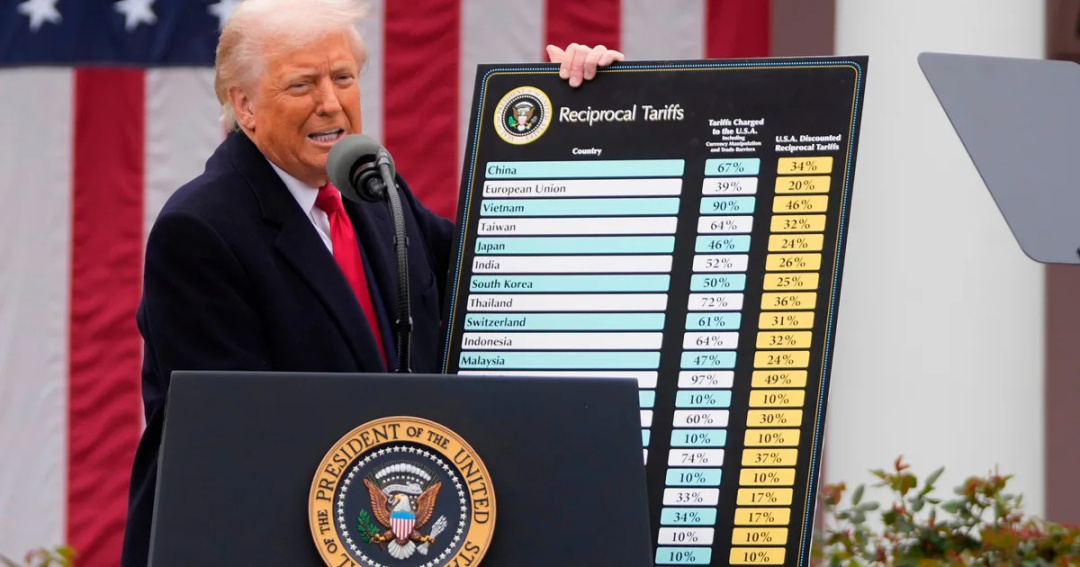
In an unprecedented act of tariff escalation, the Trump administration has unleashed a new round of economic penalties on sixty unsuspecting nations, proclaiming it’s all in the name of virtue. This latest tariff tango, which sees rates soar to a dizzying 12.5%, has sent shockwaves through the global trading community, leaving partners like Australia and Japan spinning in disbelief. The administration claims these tariffs are justified due to alleged failures in enforcing bans on goods made with forced labor. However, many trading partners are left scratching their heads, wondering what kind of twisted logic has led to such punitive measures.
In an official memo that surely took all of ten minutes to draft, the U.S. Trade Representative’s office declared that these tariffs are about “maintaining standards” while simultaneously ignoring the reality of their own economic policies. As if choreographed by a committee of confused penguins, nations are now competing to see who can issue the most dramatic condemnation. Australia’s Trade Minister, for instance, has vehemently asserted that these tariffs are “completely unjustified,” which translates roughly to “we didn’t sign up for this nonsense.” Meanwhile, New Zealand’s Prime Minister echoed similar sentiments, lamenting the “extremely disappointing” nature of the tariffs that have been slapped on their exports like a bad afterthought.
Still Beats Watergate:
Sponsor success. Continue reading:
The U.S. investigation that supposedly backs these tariffs appears to be as solid as a house of cards. Critics note that there is scant meaningful evidence to support the claims of forced labor linked to their products. In fact, the only thing that seems to be forced here is the U.S. administration’s narrative, which seems to suggest that tariffs are the universal solution to every global problem, including climate change and the lack of good coffee.
Adding to this comedy of errors, Japan, previously assured that further tariffs were off the table, is now left to ponder how they got caught in this bureaucratic waltz. Chief Cabinet Secretary Minoru Kihara lamented the “regrettable” nature of the tariffs, which are imposed on the flimsy grounds of nonexistent labor standards. It’s as if the U.S. is playing a game of economic dodgeball, hurling tariffs at anyone who dares cross their path without any actual justification.
Even China, the perennial target of U.S. ire, chimed in with their usual rhetoric, denouncing the unilateral tariffs as “unfounded.” Their Ministry of Foreign Affairs reiterated the age-old wisdom that trade wars benefit no one, which is rich coming from a nation that has been on the receiving end of many such assaults.
As countries scramble to lobby for tariff relief, one has to wonder if the U.S. administration is actually listening or if they’re just conducting a masterclass in how to alienate trading partners. With the dance of tariffs in full swing, the only clear winner here seems to be the confusion that reigns in the U.S. trade policy. Perhaps the administration should consider hiring a real choreographer before their next big performance, because as it stands, the only thing they’ve managed to rhythmically achieve is a cacophony of discontent across the globe.