Musk's Department of Government Efficiency: A Case Study in Political Overreach
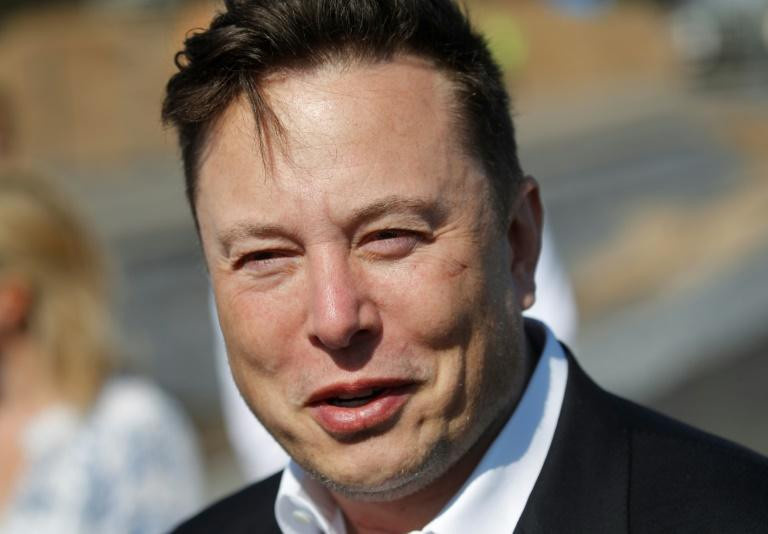
In a shocking revelation from the quasi-legendary realm of the Department of Government Efficiency, Elon Musk recently admitted he might have been a bit too "hands-on" during his tenure. Apparently, while everyone else was focusing on the intricacies of public service, Musk was busy redefining efficiency into a new art form—political theater. His latest interview, a masterclass in self-awareness, suggested that perhaps the line between a government agency and a reality show is thinner than one might think.
Musk’s leadership was a perfect storm of ambition and questionable judgment. He charged into the position with a vision so grand it could only be rivaled by the plots of the most extravagant Hollywood blockbusters. Cost-cutting measures? More like cost-slicing. The mission: to trim the fat off government operations until they were as lean and mean as a Silicon Valley startup. The outcome, however, resembled something closer to a sitcom where the punchlines are government contracts and the laugh track is replaced by the sound of bureaucratic confusion.
Still Beats Watergate:
Sponsor success. Continue reading:
In his candid reflections, Musk stated that he “got carried away” with his political involvement, which is a charming way to phrase what can only be described as a full-blown political meltdown. His fondness for the cut-and-paste approach to governance led to policies that prioritized efficiency over effectiveness. The result was a government agency that was more engaged in meme culture and Twitter wars than actual governance.
The Department of Government Efficiency became a haven for those who believed that the best way to solve problems was to ignore them entirely. Musk’s team proudly showcased their innovative approach to governance, which included live tweets of budget meetings and comprehensive reports on the latest trends in Dogecoin investments. Because nothing says responsible public service like a cryptocurrency crash during a fiscal crisis.
Defending his record, Musk claimed that “at least we made it fun.” Ah yes, fun. Nothing quite like the thought of public servants playing dress-up as tech entrepreneurs while the nation’s infrastructure crumbles in the background. Surely, the voters will appreciate the shiny new app that tracks pothole repairs, even if it crashes more than a poorly constructed website.
Critics have suggested that Musk’s ambitions may have blinded him to the realities of public service, but who could blame him? After all, the world of politics is a high-stakes game where the only real currency is influence and the occasional viral tweet. As his term drew to a close, Musk’s legacy at the Department of Government Efficiency could best be described as a chaotic blend of enthusiasm and oversight, leaving behind a trail of head-scratching decisions and a new standard for how not to run a government agency.
As he prepares to step away from political life, Musk leaves us with a valuable lesson: when it comes to government, perhaps less is more. Or maybe the key takeaway is to never get carried away unless you’ve got a solid parachute. In the end, the Department of Government Efficiency may have been less about efficiency and more about entertaining the masses—an irony not lost on those who were still waiting for their potholes to be filled.