MAHA Movement Faces New Gatekeeper: The White House's Psychedelic Roadblock
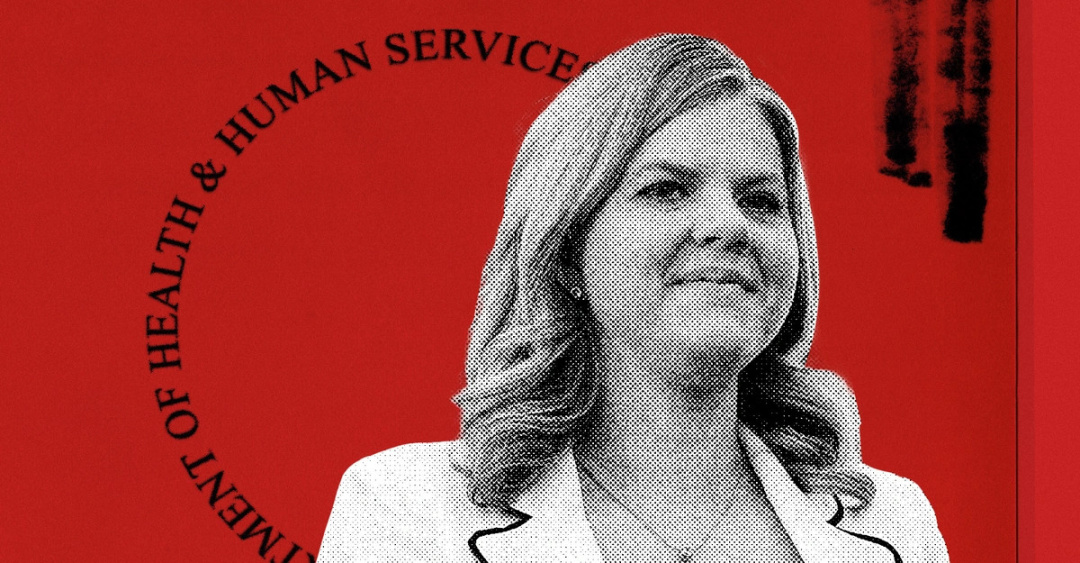
In a stunning twist that could only happen in the surreal landscape of American politics, the Make America Healthy Again (MAHA) movement is now facing an unexpected obstacle: a policy wonk at the FDA who seems to have mistaken her role for that of a gatekeeper at a very exclusive nightclub. Rumor has it that this newly appointed gatekeeper, fresh from the bureaucratic underbelly of Washington, is less interested in healing and more focused on ensuring that the psychedelic revolution remains a distant dream rather than a policy reality.
Sources within the administration suggest that the White House has decided to adopt a new strategy: simply ignore anything that might actually help people. Instead, the focus has shifted to appointing officials who can keep the MAHA activists at bay while maintaining the illusion of progress. “If we can just make it look like we’re doing something without actually doing anything, we’re golden,” one anonymous aide reportedly said, while trying to figure out how to fit a psychedelic agenda into the existing regulatory framework.
Still Beats Watergate:
Sponsor success. Continue reading:
Meanwhile, the MAHA activists are left scratching their heads. They had thought they could rely on the burgeoning interest in psychedelics as a means of healing. But it turns out that the only thing standing between them and ibogaine therapy is a bureaucrat who has taken the phrase ‘healthcare reform’ a bit too literally. “We just wanted to help people,” said one dejected MAHA supporter. “Now we’re being told that our revolutionary ideas are too radical for the very institution that’s supposed to be about health.”
As the FDA prepares to roll out its new guidelines, insiders have hinted at a possible compromise: a psychedelic therapy program that would only be available to those who can prove they’ve completed a rigorous psychological evaluation—conducted by the new gatekeeper, of course. “It’s all about keeping the riff-raff out,” one official quipped, clearly missing the irony of trying to gatekeep healing.
Naturally, this bureaucratic comedy is set against the backdrop of a nation eagerly looking for alternative therapies amid a mental health crisis. The irony is thicker than a Washington fog: as public interest in psychedelic treatments surges, the very officials designated to oversee their rollout appear more intent on stifling their progress than facilitating it.
As MAHA activists prepare their next moves, one thing is certain: the battle for a healthier America will not be won in the halls of the FDA. Instead, it will be a long slog through the bureaucratic mire, where progress is measured not in healing but in the number of forms filled out and approvals granted. For now, the administration’s approach seems to be one of cautious inaction, preventing any meaningful change while the public waits impatiently for the psychedelic revolution to take hold.