Trump's New Utility Bill Pledge: A Shocking Power Play
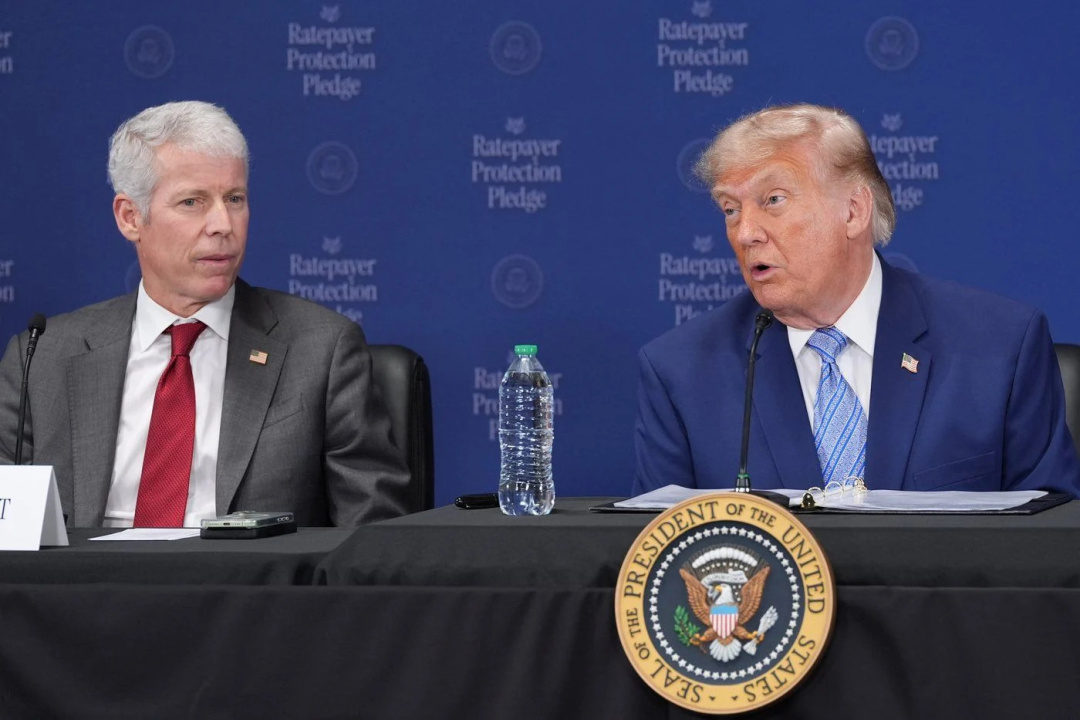
In an unprecedented display of political wizardry, President Trump has summoned the governors and electrical companies of America to join hands in a voluntary pledge that aims to protect consumers from the impending doom of skyrocketing utility bills due to AI data centers. This bold act of goodwill supposedly ensures that the average American can keep their lights on while tech giants consume energy like it’s candy at Halloween. Forget about policy details; this is about making the press swoon and the voters cheer.
The White House, in a rare moment of clarity, decided to tackle the complexities of energy consumption and corporate accountability by wrapping it all in a bright bow labeled "voluntary pledge." Because nothing says serious governance like a non-binding agreement that everyone can ignore if they feel like it. In a stroke of brilliance, the administration has managed to turn an energy crisis into a feel-good story, perfect for the evening news.
Still Beats Watergate:
Sponsor success. Continue reading:
As the cameras clicked and the flags waved, officials explained that this pledge is a way to ensure that data centers won’t turn the average citizen into a walking power outage. It’s like telling a kid they can eat all the candy they want, as long as they promise not to get a stomach ache. The press, of course, has lapped it up, treating this initiative as if it were a groundbreaking policy rather than an elaborate stage play.
Meanwhile, energy experts are left scratching their heads, wondering how a non-committal pledge can possibly mitigate the actual energy needs of data centers that require more electricity than a small country. Perhaps the next step will involve drafting a heartfelt letter asking these centers to consider the feelings of the average American before they crank up their cooling systems to Arctic levels.
Critics have pointed out that this move is less about protecting consumers and more about keeping the administration’s approval ratings afloat while deflecting attention from other pressing issues. After all, why deal with the messy reality of energy policy when you can sell a shiny, feel-good initiative to the public? It’s the kind of political jujitsu that would make a seasoned campaign strategist proud.
As the administration continues to tout the pledge as a monumental achievement, it’s clear that this is less about consumer protection and more about the art of distraction. With an election looming on the horizon, expect more of these theatrical performances to dominate the political landscape. Who needs substantive policy when you can create a stage for your own drama? So, as the lights shine brightly on this latest endeavor, one can’t help but wonder if the average American will be left holding the bag while corporations continue to guzzle energy like there’s no tomorrow.