Trump's New Strategy: Humanitarian Crisis as a Political Tool
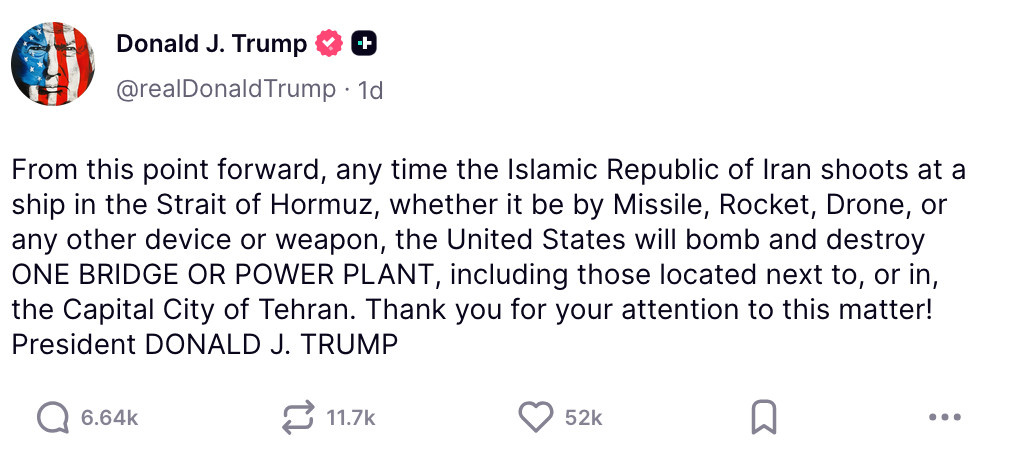
In a move that can only be described as politically avant-garde, the Trump administration is reportedly contemplating a bold new strategy regarding Iran. Officials have proposed that the best way to demonstrate American resolve is not through the traditional means of diplomacy or sanctions, but rather by creating a humanitarian crisis that would make even the most hardened bureaucrat weep. This plan, led by a think tank of advisors who seem to have taken Machiavelli's teachings to heart, suggests hitting food and water supplies to ensure that the Iranian populace feels the full weight of American discontent.
As oil prices flirt with the $100 a barrel mark, one can't help but marvel at the synergy between escalating conflict and economic gain. After all, nothing screams 'we're here to help' like a spike in oil prices, right? It's almost poetic, really – as the administration's rhetoric heats up, so too does the global economy. Analysts are scratching their heads, wondering if they should be investing in humanitarian aid or oil futures. With the prospect of a humanitarian crisis looming, perhaps the administration should consider issuing shares in 'Crisis Corp.' – the only company guaranteed to rise in value during conflict.
Still Beats Watergate:
Sponsor success. Continue reading:
The White House’s internal memos, leaked to the press, suggest that officials are aiming for a comprehensive strategy that blends military action with a robust PR campaign. The new slogan, "Make America Great by Making Others Suffer," is already trending on social media. In an age where every tweet can spark a diplomatic incident, it seems the administration is fully embracing the art of distraction. By focusing on the chaos in Iran, they can deftly sidestep pressing domestic issues like the economy or healthcare – both of which seem to have taken a backseat to the unfolding drama overseas.
In a classic case of bureaucratic irony, the administration is also reportedly retrading a nuclear deal with Saudi Arabia as part of this grand strategy. Apparently, the logic is that if we can't beat them with diplomacy, we might as well sell them bigger bombs. Meanwhile, the Iranians are left to wonder if they should stockpile food or invest in underground bunkers. The world watches, popcorn in hand, as this surreal theater unfolds, wondering what the next act will bring.
As if all this wasn't enough, the administration has promised to release a detailed guidance document on how to effectively spin this impending crisis. Titled "Crisis Management 101: How to Turn Human Suffering into Political Capital," it’s sure to be a bestseller in Washington's elite circles. Rumor has it that the first chapter is titled "Deny, Deflect, and Dine Out on Disaster." The irony is rich: the administration insists it is merely a bystander in the chaos, even as they actively orchestrate the symphony of suffering.
In the end, only time will tell whether this audacious plan will pay off or backfire spectacularly. But one thing is for sure: if the Trump administration has made anything clear, it’s that when it comes to foreign policy, there are no rules – and certainly no moral compass. As the world holds its breath, we can only hope that the administration's next memo includes a disclaimer: "Please do not attempt this at home."