CDC Website Update: The New Vaccine Assurance Policy
In a stunning display of bureaucratic finesse, the Centers for Disease Control and Prevention has unveiled a new set of assurances regarding vaccines and autism, cleverly disguised as an update to its website. This strategic maneuver, which some are calling the "Great Vaccine Assurance Policy," has been deemed necessary after a series of intense negotiations and a few well-placed phone calls from the administration. The updated webpage now reads like a choose-your-own-adventure book, with options that range from "Vaccines are safe" to "Who really knows?" This new approach is expected to win over public opinion, or at least keep it confused enough to avoid any riots in the street.
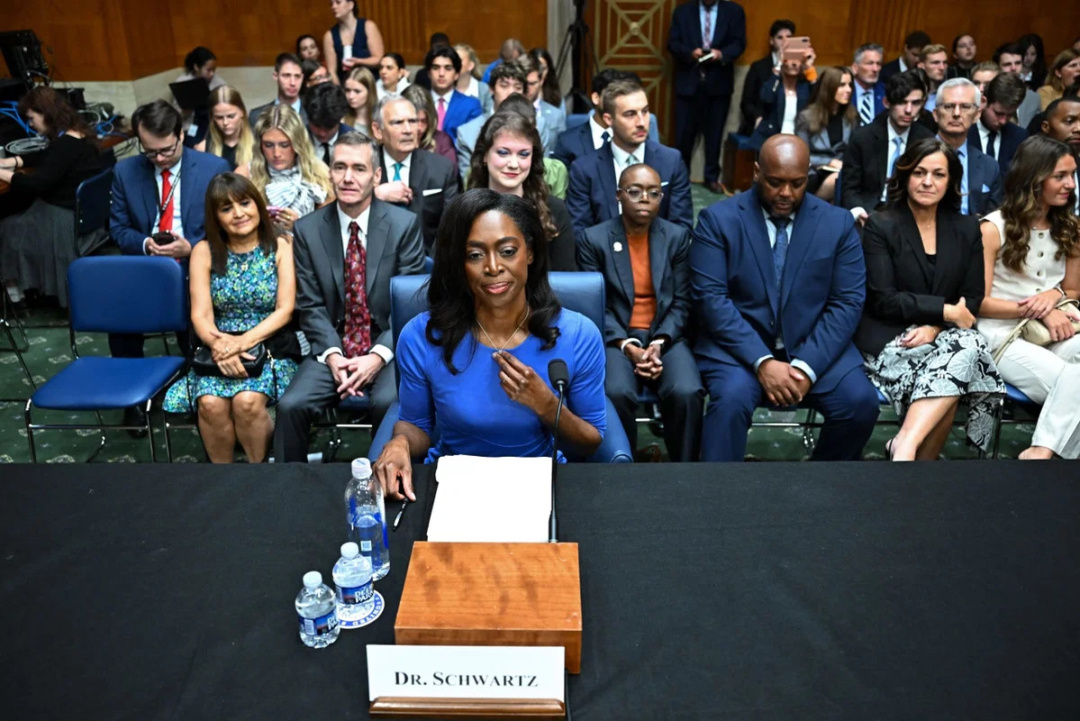
Senator Bill Cassidy, the mastermind behind this latest shift in public health messaging, expressed his confidence in the nominee for CDC director, Dr. Erica Schwartz, stating that she possesses the unique capability to "understand that the way to prevent vaccine-preventable diseases is to reassure the public that vaccines are safe and effective"—a sentiment that is as reassuring as it is vague. Cassidy’s faith in Schwartz comes after he reviewed the transcript of her hearing, where she masterfully avoided any direct answers about her future autonomy, which is a skill that should serve her well in the twisting halls of the CDC.
Still Beats Watergate:
Sponsor success. Continue reading:
As the Senate sits poised to vote on Schwartz’s nomination, the updated wording on the CDC’s website now includes the phrase "Vaccines do not cause autism is not an evidence-based claim," a statement that has been hailed as a diplomatic triumph for the administration. It’s as if they are saying, "We hear you, but we’re not saying anything definitive here." This delightful ambiguity is expected to assuage both the vaccine skeptics and the scientific community, a feat only possible through the magic of bureaucratic language.
In a rare moment of transparency, the CDC has also mentioned that the root causes of autism remain "a mystery," thus inviting every conspiracy theorist and social media influencer to join the conversation. With such an open-ended statement, the agency has effectively turned the public health discussion into a guessing game, where the stakes are high, and the answers are... somewhere out there in the ether.
Meanwhile, the committee is still grappling with the nomination of Sean Kaufman to lead the Administration for Strategic Preparedness and Response, whose past comments on vaccines have raised eyebrows and questions about whether he might accidentally cause more confusion than clarity. The committee's chair, Cassidy, seems to think Kaufman’s appointment is a gamble worth taking, despite his concerns about Kaufman’s ability to keep his foot out of his mouth when it comes to immunizations.
As the Senate prepares for its vote, one thing is clear: the new CDC website is not just a resource; it’s a political statement. By blending science with a touch of political theater, the administration hopes to restore public confidence in vaccines without actually committing to anything hard and fast. After all, who needs concrete facts when you can have a well-crafted narrative? In the world of public health, it seems that a little ambiguity goes a long way, especially when it comes wrapped in the reassuring glow of a government seal.