Lobbyists: Nigeria's New Favorite Strategy to Hide Insecurity
In a bold move that has left political analysts scratching their heads, the Nigerian government has decided that public relations firms are the best solution to its ongoing insecurity crisis. Rather than, say, addressing the rampant violence against Christians and other minorities, officials have opted to hire the DCI Group, a U.S.-based lobbying firm, for the modest sum of $9 million. Clearly, when lives are at stake, nothing says "we care" quite like a well-crafted press release.
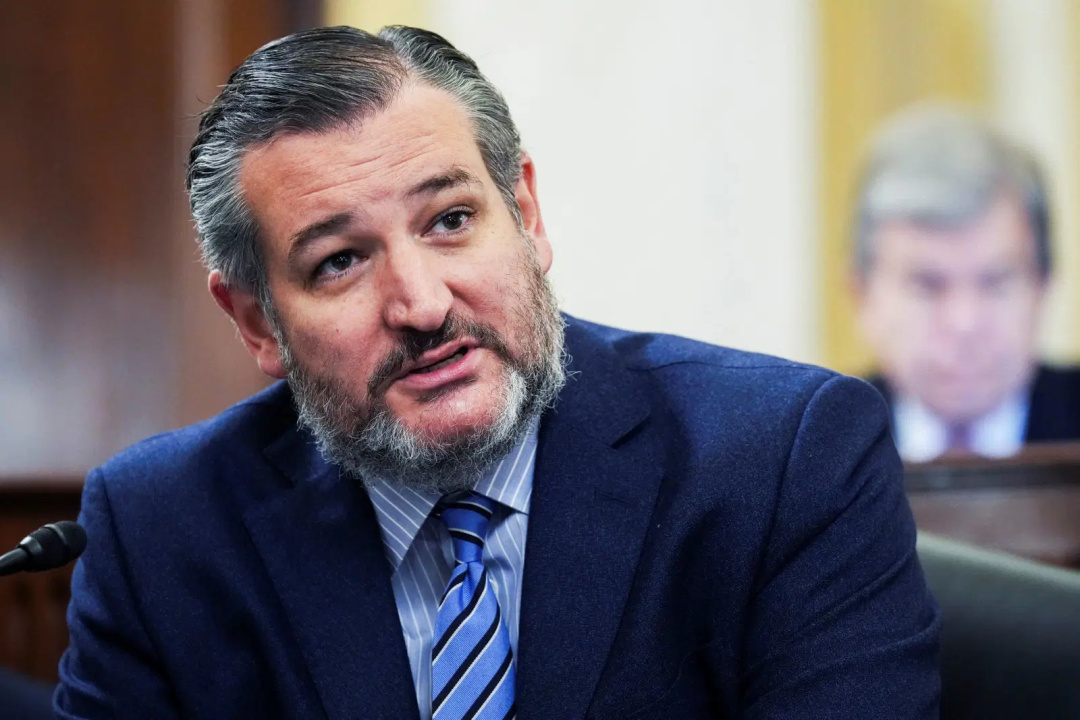
Senator Ted Cruz, who has taken a keen interest in Nigeria's handling of its security issues, expressed his disappointment, stating that instead of taking substantial action, Nigeria's leadership appears more focused on deflecting blame and polishing its image. Cruz's proposed legislation, the "Nigeria Religious Freedom Accountability Act of 2025," seems to be a response to this embarrassing charade, aiming to hold officials accountable for their failure to protect vulnerable populations. After all, nothing screams accountability like a bill that might never see the light of day.
Still Beats Watergate:
Sponsor success. Continue reading:
The Nigerian government, perhaps mistaking lobbyists for miracle workers, seems to believe that by spending millions on PR, it can convince the international community that it is taking serious steps to protect its citizens. This is reminiscent of a child who, after breaking a vase, tries to clean up the mess by simply covering it with a tablecloth. The fact that the government has been labeled a "country of particular concern" by U.S. officials only adds to the irony of their strategy.
Meanwhile, the former Deputy National Publicity Secretary of the All Progressives Congress, Timi Frank, has been vocal in his criticism, claiming that the presidency is trying to pull the wool over the eyes of the Nigerian people. He argues the government is using a supposedly supportive letter from former President Trump as a way to distract from its failures. According to Frank, if the letter doesn’t have the presidential seal and signature, it can’t be taken seriously—an amusingly low bar for legitimacy that perfectly encapsulates the current state of political affairs.
As Nigerian officials continue their public relations campaign, it’s clear that they are betting on the idea that a well-timed press release can mask a litany of failures. Cruz’s frustration is palpable, noting that instead of addressing the genuine concerns raised by the U.S., Nigeria has chosen to wage a war of words, confident in its ability to continue business as usual.
In a world where the truth is often stranger than fiction, Nigeria's approach serves as a stark reminder of how far some governments will go to preserve their reputation, even as the reality of their failures looms large. The irony is not lost on anyone that a nation in the grips of severe insecurity believes that a lobbyist can do what law enforcement and governance have failed to accomplish. The international community watches, bemused, as Nigeria struggles to understand that credibility cannot be bought—it must be earned through genuine action, not just clever marketing.
Perhaps what’s most disheartening is the realization that while millions are spent on public relations, the real issues affecting everyday Nigerians remain unaddressed, buried under a mountain of press releases and lobbying contracts. One can only hope that someday the Nigerian government will realize that its people deserve more than just a facade; they deserve real solutions.